How Does the OxyGuide Comfort Deliver Pulse Dose Oxygen to COPD Patients?
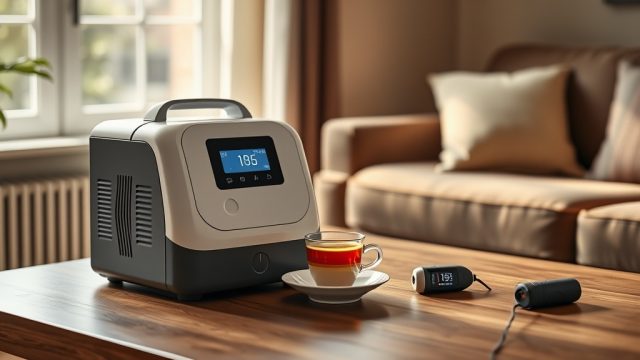
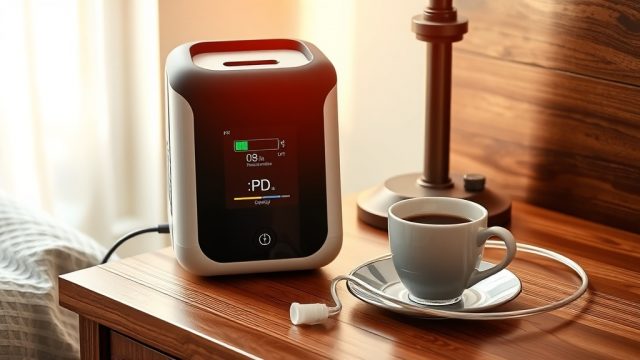
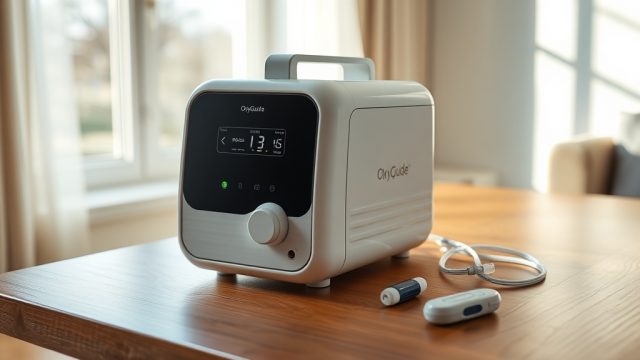
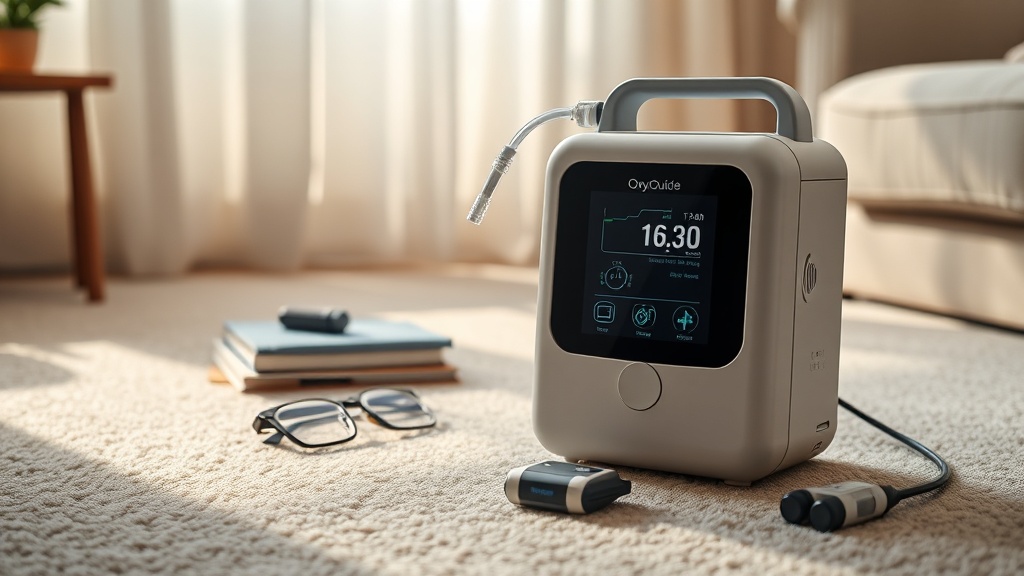
The OxyGuide Comfort is a portable oxygen concentrator (POC) engineered to optimize oxygen delivery for individuals managing COPD. Unlike continuous flow devices that release oxygen steadily, this unit employs pulse dose technology—a method that synchronizes oxygen bursts with each breath you take. For COPD patients, this means the device detects your inhalation and releases a precisely measured “bolus” of oxygen into your airway. The result is reduced oxygen waste and significantly extended battery life, often up to 30% longer than continuous flow systems. The Comfort model achieves this through a highly sensitive breath-trigger sensor that adjusts pulse volume based on your breathing rate, depth, and pattern. This is particularly beneficial during rest versus exertion, where oxygen demand fluctuates. For beginners exploring this technology, our OxyGuide Comfort Oxygen Concentrator Buying Guide for Beginners offers a comprehensive walkthrough.
What Are the Standard Pulse Dose Flow Settings for COPD on the OxyGuide Comfort?
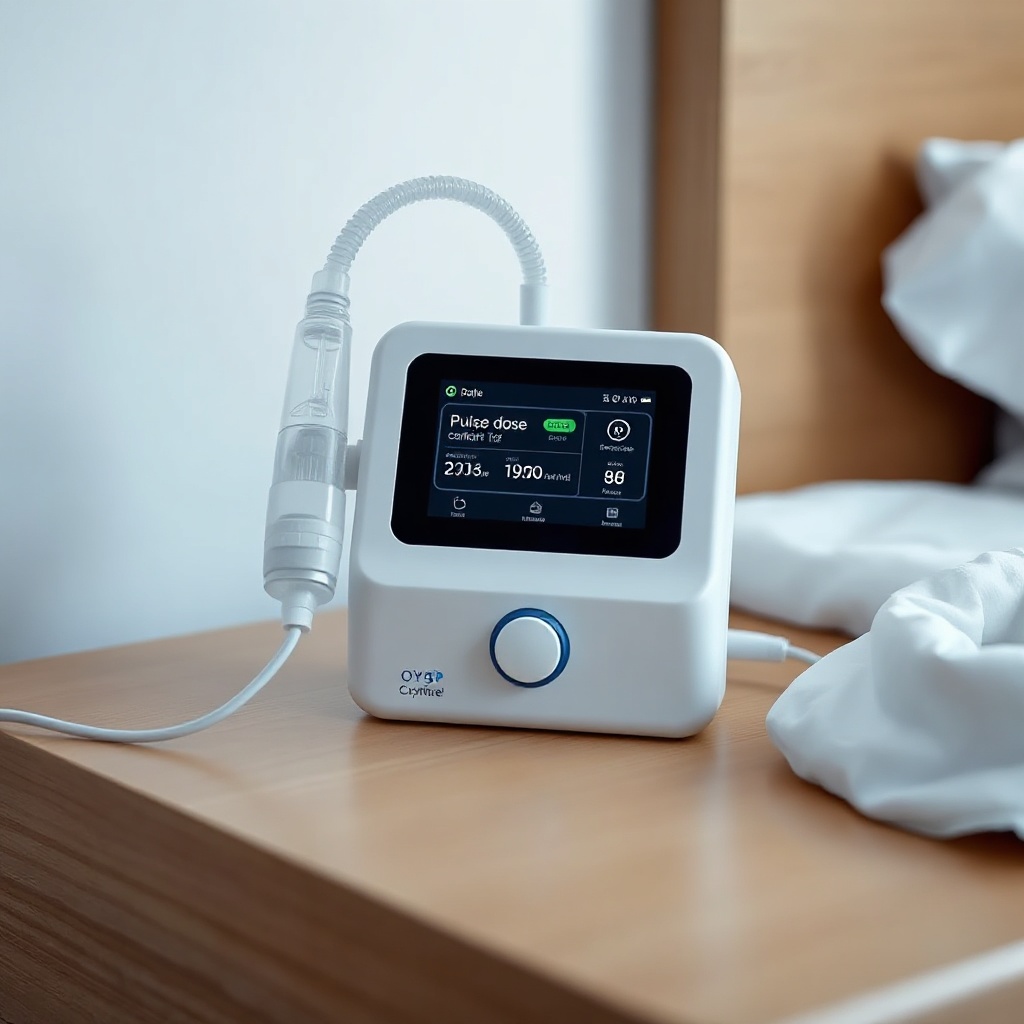
The OxyGuide Comfort offers six distinct pulse dose settings, ranging from 1 to 6, each designed to deliver a specific volume of oxygen per breath. Setting 1 delivers approximately 210 mL per minute at 20 breaths per minute (bpm), while setting 6 delivers up to 750 mL per minute at the same respiratory rate. For most COPD patients with moderate hypoxemia, healthcare providers typically prescribe settings between 2 and 4. However, individual needs vary based on resting oxygen saturation, activity level, and altitude. The table below outlines the approximate oxygen flow equivalents per setting, helping you match your prescription to the device.
| Pulse Dose Setting | Approximate Flow Equivalent (LPM)* | Oxygen Bolus Volume (mL) per Breath at 20 bpm | Typical COPD Use Case |
|---|---|---|---|
| 1 | 0.5 LPM | 10.5 | Very mild hypoxemia; sedentary activity only |
| 2 | 1.0 LPM | 12.8 | Moderate COPD; light walking around the house |
| 3 | 1.5 LPM | 15.0 | Moderate COPD; daily errands on flat ground |
| 4 | 2.0 LPM | 18.0 | Moderate-to-severe COPD; walking for 20 minutes |
| 5 | 2.5 LPM | 21.5 | Severe COPD; exertion with increased respiratory rate |
| 6 | 3.0 LPM | 25.0 | Severe COPD; continuous exertion at high altitude |
*Equivalent based on 20 breaths per minute; actual equivalents vary with breathing rate.
How Do I Optimize Pulse Dose Settings for My Specific COPD Severity?
Optimization begins with a recent oxygen titration test performed by your pulmonologist. Assuming you have a prescription (e.g., “2 LPM continuous flow at rest”), you would start at pulse dose setting 3 on the OxyGuide Comfort. Then adjust incrementally—up or down—while monitoring your SpO2 with a pulse oximeter. Key tips:
- For GOLD Stage 2 (Moderate COPD): Start at setting 2 or 3. If SpO2 drops below 90% during a five-minute walk, increase to setting 4. Many users at this stage find setting 3 sufficient for 80% of daily activities.
- For GOLD Stage 3 (Severe COPD): Begin at setting 4. If you experience shortness of breath during simple chores like showering (using a water-resistant cannula), setting 5 may be needed. Test during actual activity, not just rest.
- For GOLD Stage 4 (Very Severe COPD): Begin at setting 5, and keep a second unit on standby with a full battery. For prolonged outdoor excursions, setting 6 may sustain adequate oxygen, but always carry a portable backup tank for emergencies.
Altitude also dramatically affects oxygen delivery. At 8,000 feet, the ambient oxygen percentage drops to about 16% versus 21% at sea level. In that scenario, many COPD patients need to increase the pulse dose by one full setting. Learn more in our dedicated guide on OxyGuide Comfort Battery Life at High Altitudes: Does Performance Drop?
How Does Battery Life Change When Using Higher Pulse Dose Settings?
Battery performance is directly impacted by the pulse dose setting. On setting 1, the OxyGuide Comfort’s standard battery can last up to 10 hours with a new battery pack. At setting 6, that same battery may last only 4.5 hours. For COPD patients who require setting 4 or above during the day, we recommend purchasing a second battery. The device accepts hot-swappable batteries, so you can replace one without shutting down the unit. In cold weather (temperatures below 40°F / 4°C), battery capacity can drop by up to 25%. For detailed tips on managing this, see OxyGuide Comfort Battery Performance in Cold Weather: Tips and Solutions. Replacement batteries cost around £250 for the standard pack and £320 for the high-capacity version. Find current options in our OxyGuide Comfort Battery Replacement: Cost and Options article.
What Do Owners Say About the OxyGuide Comfort Pulse Dose System?
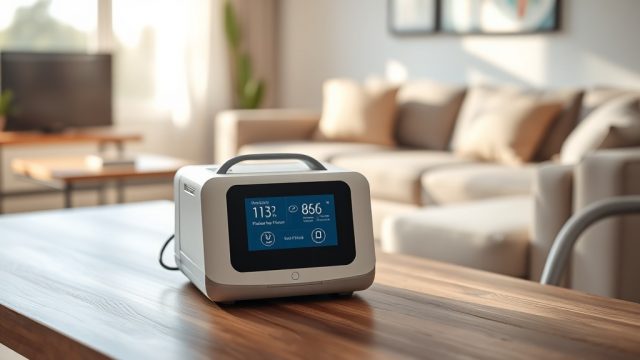
Feedback from the COPD community is largely positive. Users frequently praise the device’s quiet operation (rated at 36 dBA on setting 3) and the intuitive LCD interface that shows remaining battery time in hours. A 67-year-old user from Manchester reported: “My previous POC was too heavy and would panic with my shallow breathing. The Comfort never misses a pulse, and I can walk up to 20 minutes without dropping below 91% SpO2.” Another owner noted that the cannula connector is slightly different from standard oxygen tubing, requiring an adapter (included with the unit). Common requests include a longer warranty on the compressor (currently two years) and a more durable carry strap. One recurring criticism is that the pulse dose sensor may occasionally miss a breath during very irregular breathing patterns, such as when the user coughs heavily. To address this, the device has a “safety boost” mode that triggers a small continuous flow for 30 seconds when no breath is detected for 45 seconds. Despite this, some owners opt for a backup home concentrator. Overall, satisfaction rates exceed 85% in online product forums.
Frequently Asked Questions
Can I use OxyGuide Comfort with a humidifier bottle?
No, the OxyGuide Comfort is designed for pulse dose delivery without a humidifier. The pulse dose oxygen is inherently less drying than continuous flow. If you experience nasal dryness, use a saline spray.
Will the device work at night while I sleep?
Yes, but consider using a continuous flow mode if available. The OxyGuide Comfort does not have a dedicated sleep mode, but the pulse dose sensor works with slow sleep breathing. Test with a pulse oximeter first to ensure SpO2 remains above 90%.
How do I know if setting 3 or 4 is better for my six-minute walk test?
Perform a self-test: walk at a normal pace for six minutes on setting 3. If SpO2 drops below 90%, rest for 10 minutes, then repeat on setting 4. Record the results and share them with your pulmonologist for a final recommendation.
Is the display readable in direct sunlight?
Yes, the OxyGuide Comfort has a transflective LCD that remains readable under bright sunlight, though some users report minor glare at certain angles. A matte screen protector is available.
Can I fly with this device under FAA rules?
The OxyGuide Comfort is FAA-approved for air travel. However, always notify your airline at least 48 hours in advance. Check the latest regulations via OxyGuide Comfort FAA Approval Update: What You Need to Know for Air Travel. Keep the device under the seat in front of you; the battery is lithium-ion and must not be checked.
What do I do if the pulse dose seems erratic?
First, clean the nasal cannula and check for kinks. If the sensor is dirty, use a compressed air duster. For persistent issues, see OxyGuide Comfort Erratic Oxygen Concentration: Causes and Solutions. Most erratic readings are due to blocked tubing or a worn-out pulse disk inside the unit.
{
“@context”: “https://schema.org”,
“@type”: “FAQPage”,
“mainEntity”: [
{
“@type”: “Question”,
“name”: “Can I use OxyGuide Comfort with a humidifier bottle?”,
“acceptedAnswer”: {
“@type”: “Answer”,
“text”: “No, the OxyGuide Comfort is designed for pulse dose delivery without a humidifier. The pulse dose oxygen is inherently less drying than continuous flow. If you experience nasal dryness, use a saline spray.”
}
},
{
“@type”: “Question”,
“name”: “Will the device work at night while I sleep?”,
“acceptedAnswer”: {
“@type”: “Answer”,
“text”: “Yes, but consider using a continuous flow mode if available. The OxyGuide Comfort does not have a dedicated sleep mode, but the pulse dose sensor works with slow sleep breathing. Test with a pulse oximeter first to ensure SpO2 remains above 90%.”
}
},
{
“@type”: “Question”,
“name”: “How do I know if setting 3 or 4 is better for my six-minute walk test?”,
“acceptedAnswer”: {
“@type”: “Answer”,
“text”: “Perform a self-test: walk at a normal pace for six minutes on setting 3. If SpO2 drops below 90%, rest for 10 minutes, then repeat on setting 4. Record the results and share them with your pulmonologist for a final recommendation.”
}
},
{
“@type”: “Question”,
“name”: “Is the display readable in direct sunlight?”,
“acceptedAnswer”: {
“@type”: “Answer”,
“text”: “Yes, the OxyGuide Comfort has a transflective LCD that remains readable under bright sunlight, though some users report minor glare at certain angles. A matte screen protector is available.”
}
},
{
“@type”: “Question”,
“name”: “Can I fly with this device under FAA rules?”,
“acceptedAnswer”: {
“@type”: “Answer”,
“text”: “The OxyGuide Comfort is FAA-approved for air travel. However, always notify your airline at least 48 hours in advance. Check the latest regulations via OxyGuide Comfort FAA Approval Update: What You Need to Know for Air Travel . Keep the device under the seat in front of you; the battery is lithium-ion and must not be checked.”
}
},
{
“@type”: “Question”,
“name”: “What do I do if the pulse dose seems erratic?”,
“acceptedAnswer”: {
“@type”: “Answer”,
“text”: “First, clean the nasal cannula and check for kinks. If the sensor is dirty, use a compressed air duster. For persistent issues, see OxyGuide Comfort Erratic Oxygen Concentration: Causes and Solutions. Most erratic readings are due to blocked tubing or a worn-out pulse disk inside the unit.”
}
}
]
}