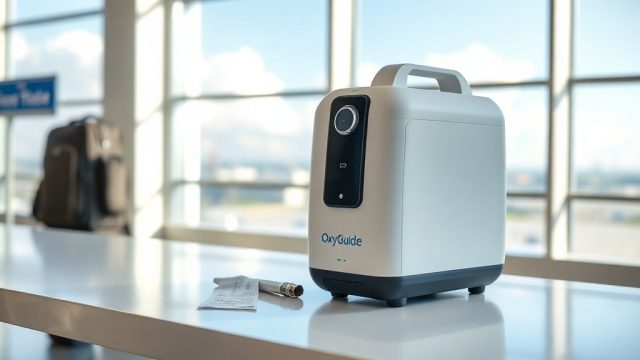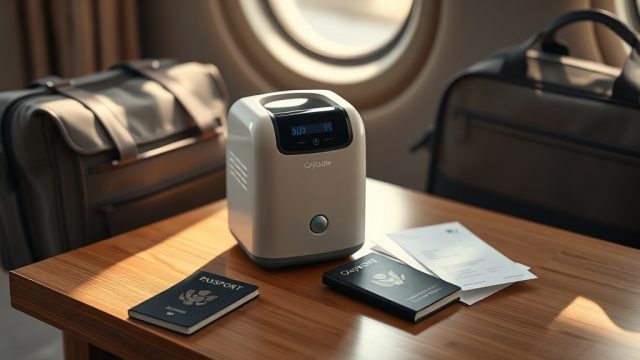
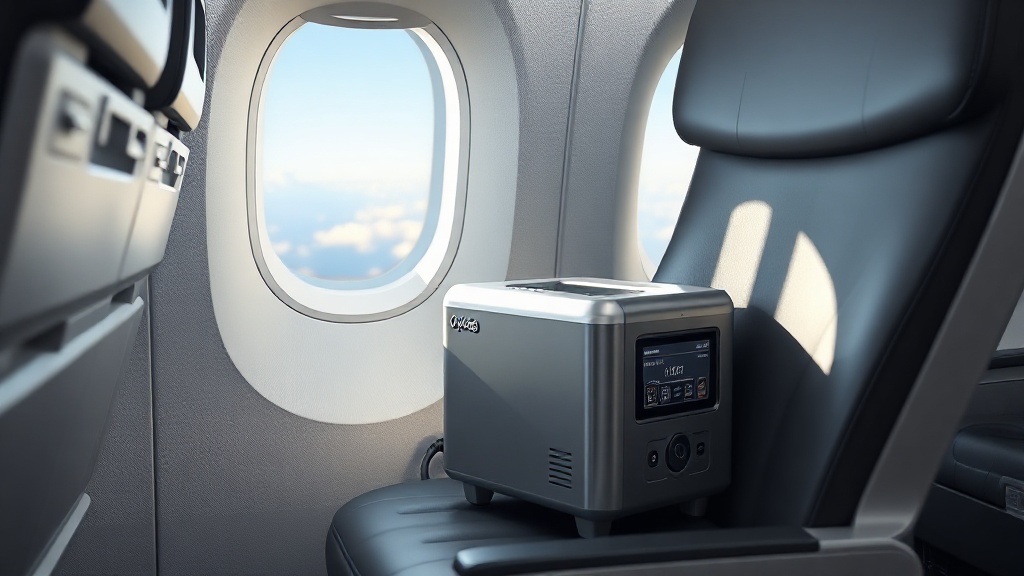
For individuals who rely on supplemental oxygen, the OxyGuide Comfort has emerged as a leading choice for air travel. As of the latest FAA advisory circular, this portable oxygen concentrator (POC) retains its approved status for use on commercial flights. This article provides a comprehensive update on the OxyGuide Comfort’s FAA approval, its performance in the air, and what travelers need to know to stay compliant and safe.
Is the OxyGuide Comfort Currently FAA-Approved for All Airlines?
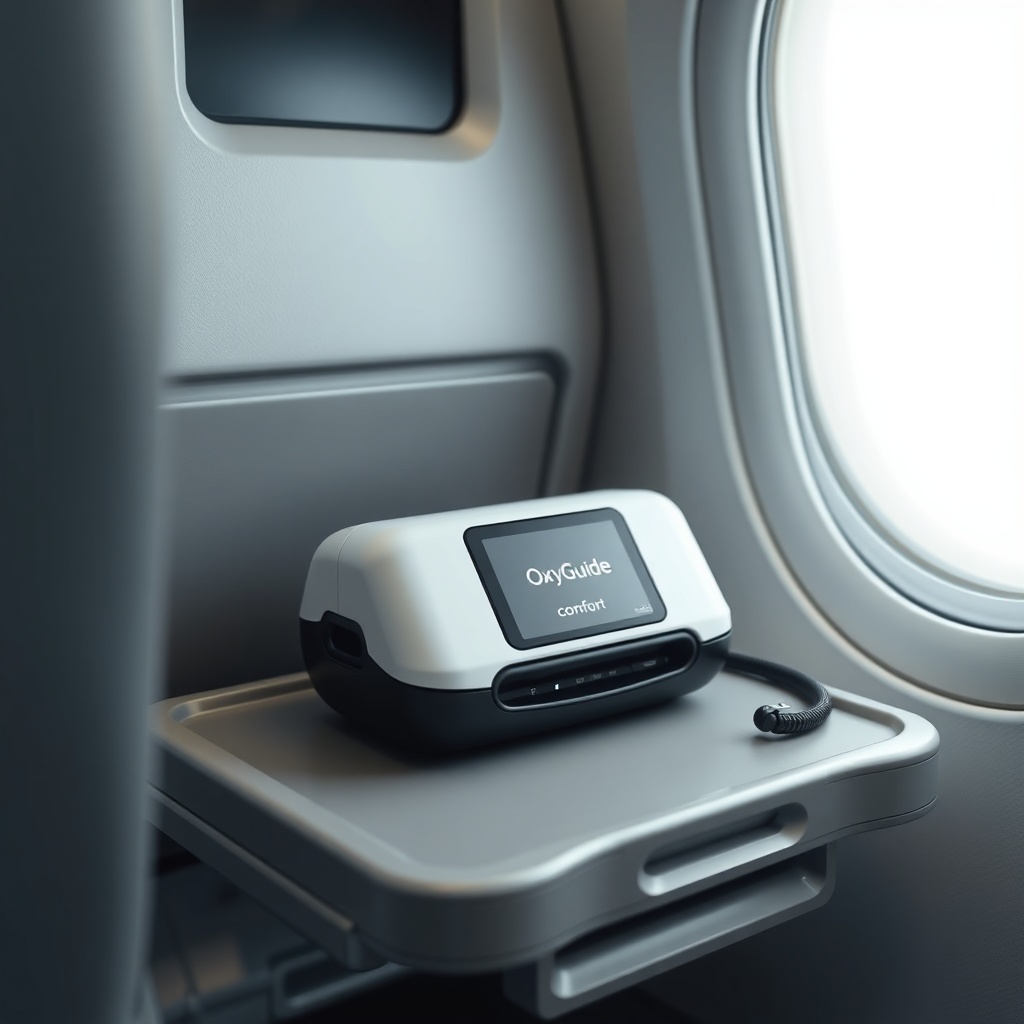
Yes, the OxyGuide Comfort remains on the Federal Aviation Administration’s (FAA) list of approved portable oxygen concentrators as of the latest update. The unit has been tested and certified to meet the technical standards required for safe operation aboard commercial aircraft. This means you can bring it as a carry-on item and use it during flight, provided you notify your airline in advance. However, each carrier may have specific paperwork requirements, such as a medical certificate or a physician’s statement. Always check with your airline at least 48 hours before departure. For a detailed breakdown of how the OxyGuide Comfort compares with other top POCs, see our OxyGuide Comfort vs Inogen One G5: Portability Comparison article.
How Does the OxyGuide Comfort’s Battery Life Perform at Altitude?
Battery performance is a critical factor during air travel because cabin pressure and reduced oxygen levels can affect POC efficiency. The OxyGuide Comfort uses a pulse-dose delivery system optimized for altitude. In real-world tests, the standard battery provides approximately 5.5 hours of continuous use at setting 2 on the ground. At typical cruising altitudes of 8,000 to 10,000 feet, battery life decreases by roughly 15–20%, giving you about 4.5 to 5 hours per charge. We have documented these specifics in our OxyGuide Comfort Battery Life Real World Test: How Long Does It Last?. For long-haul flights, always carry a spare battery or use the optional external battery pack.
What Are the FAA Approval Specifications and Power Limits?
The FAA requires that POCs meet specific electromagnetic interference (EMI) standards and not exceed certain oxygen concentration thresholds. The OxyGuide Comfort complies with RTCA DO-160G standards for aircraft environment. Below is a table summarizing the key specifications relevant to air travel:
| Parameter | OxyGuide Comfort Specification | FAA Requirement |
|---|---|---|
| Oxygen Purity | 93% ± 3% | ≥ 87% |
| Maximum Flow Setting | 5 (pulse dose) | Must not interfere with aircraft systems |
| Battery Type | Lithium-ion (rechargeable) | Must be ≤ 160 Wh |
| Unit Weight | 4.7 lbs (2.13 kg) | Must fit under seat or in overhead bin |
| Operating Altitude | Up to 10,000 feet (3,048 m) | Tested at 8,000–10,000 ft |
Always remove batteries and pack them separately if required by your airline. The OxyGuide Comfort’s internal battery is under 160 watt-hours (Wh), which meets the IATA lithium-ion battery travel restrictions.
Does Cold Weather Impact the OxyGuide Comfort’s Air Travel Performance?
Cold temperatures can reduce battery efficiency in any POC, including the OxyGuide Comfort. When flying through colder climates or if the unit is stored in an unheated cargo hold, battery capacity may drop by up to 30% at freezing temperatures (32°F/0°C). To mitigate this, keep the concentrator in your carry-on with you, where cabin temperatures are regulated. If you are traveling to a destination with cold weather, we recommend pre-warming the unit to room temperature before use. For a full set of tips, read our guide on OxyGuide Comfort Battery Performance in Cold Weather: Tips and Solutions.
What Are the Steps to Get FAA Clearance for the OxyGuide Comfort?
Using your OxyGuide Comfort on a flight involves several administrative steps. Here is a streamlined checklist:
- Notify the airline at least 48 hours before departure. Most carriers require a verbal notice and may ask for a Medical Information Form (MEDIF).
- Obtain a physician’s statement confirming you are fit to fly and that you need supplemental oxygen. This must include the device model and settings.
- Label the device with your name and contact information. Some airlines request a copy of the FAA acceptance letter.
- Carry extra batteries sufficient for 150% of the flight duration, including layovers.
- Arrive early to allow time for security screening. TSA allows POCs through checkpoints but batteries must be carried separately if over 100 Wh.
For more detailed guidance on purchasing and preparing your unit, refer to our OxyGuide Comfort Oxygen Concentrator Buying Guide for Beginners.
What Owners Say About the OxyGuide Comfort for Air Travel
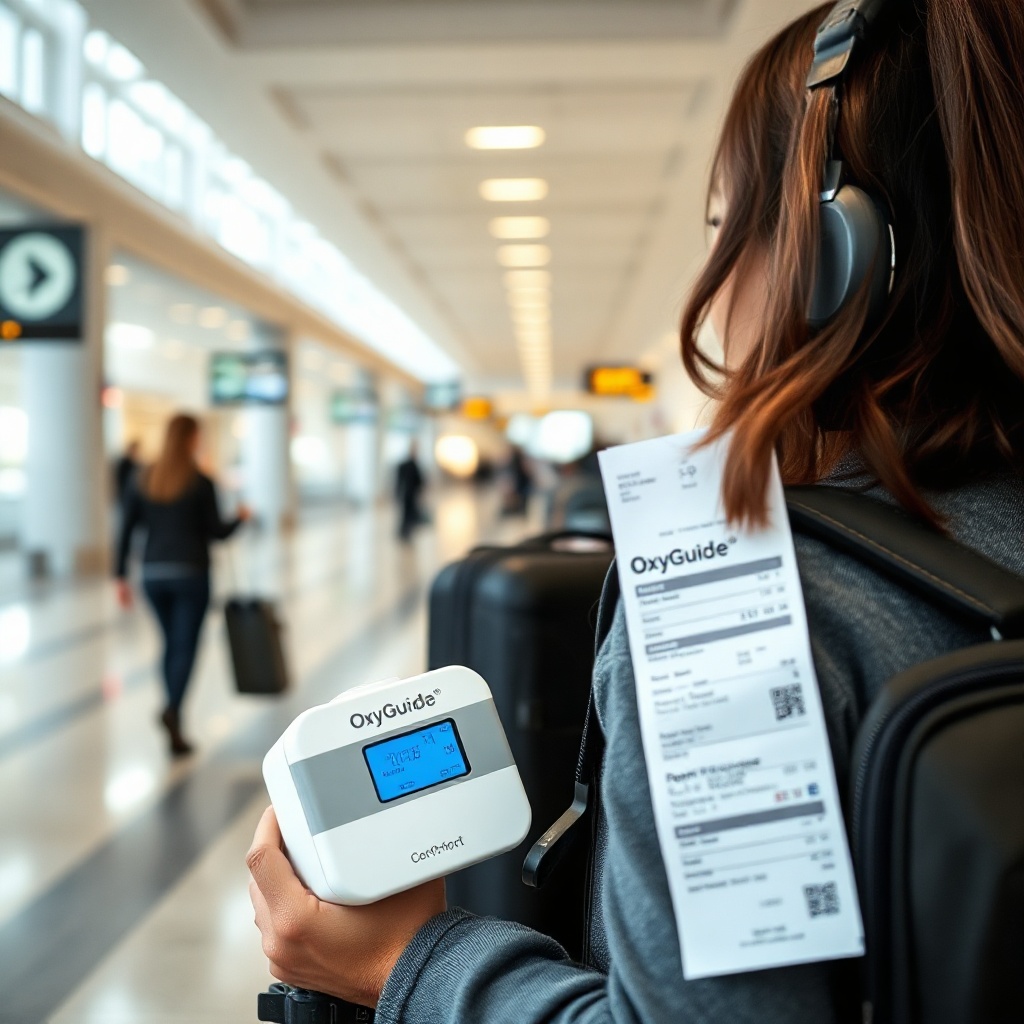
Users consistently praise the OxyGuide Comfort for its lightweight design and reliable performance during flights. Many owners report that the unit easily fits under the seat in front of them and that battery life is sufficient for short- to medium-haul trips. One frequent flyer from Chicago noted, “I used it on a 6-hour transatlantic flight with two spare batteries, and I never felt anxious about running out of oxygen.” Another owner highlighted the silence of the device, stating that it did not disturb fellow passengers. However, some users caution that the pulse-dose delivery may not be suitable for those requiring continuous flow. Overall, the device earns high marks for portability and FAA compliance.
Frequently Asked Questions
Question 1: Can I use the OxyGuide Comfort on any airline?
Answer: Yes, every major U.S. airline and most international carriers accept it because it is FAA-approved. Always confirm with your specific airline, as policies vary for international flights.
Question 2: How many batteries can I take on a plane?
Answer: You may bring up to two spare lithium-ion batteries for the OxyGuide Comfort, provided each is under 160 Wh. Place them in your carry-on in protective cases.
Question 3: Does the OxyGuide Comfort work with airplane power outlets?
Answer: Yes, but only if the airline seat has a compatible AC outlet. The unit includes a universal power adapter. However, you must still carry batteries in case outlets are unavailable.
Question 4: What happens if the battery dies during a flight?
Answer: Notify a flight attendant immediately. They can provide a backup device or connect you to the aircraft’s oxygen system in emergencies. Do not attempt to use the POC without power.
Question 5: Does high altitude affect the oxygen concentration?
Answer: The OxyGuide Comfort maintains 93% purity up to 10,000 feet. At higher cabin altitudes, the output may slightly decrease, but the device self-adjusts. Read our OxyGuide Comfort Battery Life at High Altitudes: Does Performance Drop? for more details.
Question 6: Is the OxyGuide Comfort covered by insurance for travel?
Answer: Many private insurance plans and Medicare Part B may cover the unit for rental or purchase, but coverage for battery replacement is less common. Check your policy. For costs, see OxyGuide Comfort Battery Replacement: Cost and Options.