OxyGuide Comfort Pulse Dose vs Continuous Flow: Which Setting to Choose?
Selecting the right oxygen delivery mode on your OxyGuide Comfort portable oxygen concentrator can significantly impact your therapy effectiveness and battery life. Whether you are active at home or on the go, understanding the difference between pulse dose and continuous flow is essential for optimal oxygen saturation. This guide breaks down the key factors, real-world performance, and expert recommendations to help you make an informed decision.
How Do Pulse Dose and Continuous Flow Work on the OxyGuide Comfort?
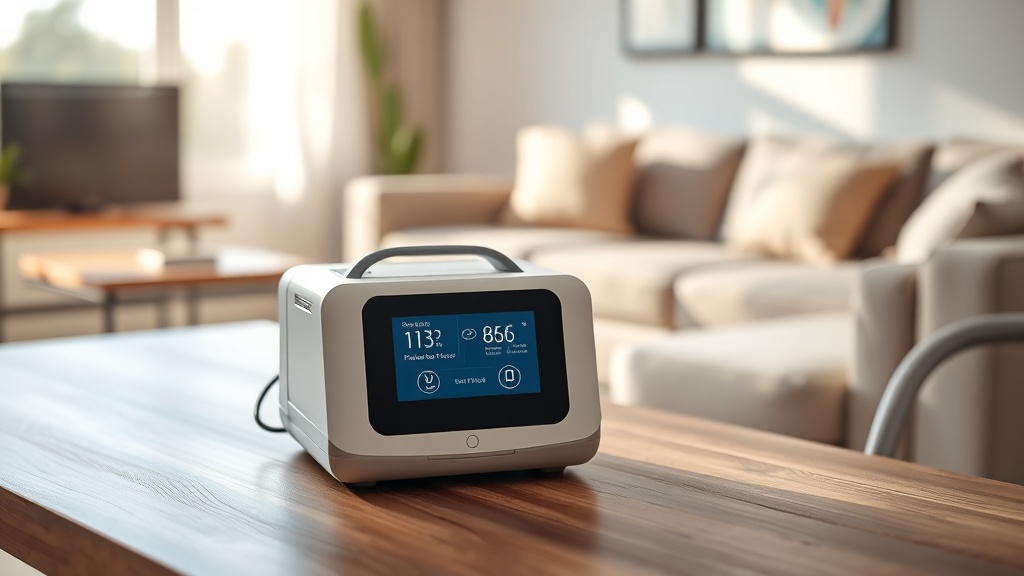
The OxyGuide Comfort offers two primary delivery modes: pulse dose and continuous flow. Pulse dose delivers a measured burst of oxygen only when you inhale, conserving battery and oxygen output. Continuous flow, by contrast, provides a steady stream of oxygen regardless of your breathing pattern. The OxyGuide Comfort can deliver pulse doses from settings 1 to 6 and continuous flow from 0.5 to 3.0 litres per minute (LPM).
In pulse dose mode, the device senses your inhalation and releases a preset volume of oxygen (typically 100–300 mL per pulse, depending on the setting). This mode is more efficient for users with consistent breathing rates, as it extends battery life and reduces oxygen waste. Continuous flow is generally recommended for users who require higher oxygen levels during sleep or have inconsistent breathing patterns.
It is important to note that the OxyGuide Comfort’s pulse dose settings are not directly equivalent to continuous flow LPM. For instance, setting 3 on pulse dose may deliver roughly 2.0 LPM of oxygen, but actual arterial oxygen saturation (SpO2) depends on your breathing rate and tidal volume.
What Are the Battery Life Differences Between Pulse Dose and Continuous Flow?
Battery consumption is a critical consideration for portable oxygen users. The OxyGuide Comfort is equipped with a standard 6-cell lithium-ion battery, which offers approximately 4–5 hours of use at pulse dose setting 2. When switched to continuous flow at 1 LPM, runtime drops to about 2.5–3 hours. At higher continuous flow rates (2–3 LPM), battery life can reduce to under 2 hours.
Pulse dose mode typically provides 30–50% longer battery life compared to continuous flow at equivalent oxygen output levels. This is because the device only activates during inhalation, minimising idle drain. For users who prioritise mobility and outdoor activities, pulse dose settings (e.g., setting 2 or 3) provide a practical balance between oxygen delivery and battery longevity. If you encounter battery issues, refer to our detailed guide on OxyGuide Comfort Battery Drain Issues: Common Causes and Fixes.
How Does the OxyGuide Comfort Compare to Other Pulse Dose and Continuous Flow Devices?
When evaluating the OxyGuide Comfort against competitors like the Inogen One G5 or Caire Freestyle Comfort, the pulse dose accuracy and continuous flow consistency stand out. The OxyGuide Comfort uses a pressure-based sensing algorithm that delivers stable pulse volumes across varied breathing rates. For continuous flow, the compressor operates at a higher duty cycle, which may produce slightly more audible noise (around 42–45 dB), but output remains within ±5% of the set LPM.
For a side-by-side comparison, consider the OxyGuide Comfort vs Inogen One G5: the Inogen G5 offers pulse dose settings 1–5 and continuous flow up to 1.5 LPM, while the OxyGuide Comfort supports up to 3 LPM continuous flow. However, the G5 has a slightly lighter weight (2.2 kg vs 2.5 kg for OxyGuide Comfort). Our comprehensive review OxyGuide Comfort vs Inogen One G5: Which Portable Oxygen Concentrator Is Better? covers these nuances in depth.
In terms of battery life, the Caire Freestyle Comfort offers similar runtime at pulse dose setting 2 (around 4.5 hours) but has a smaller continuous flow range (up to 2 LPM). For a direct battery comparison, read OxyGuide Comfort vs Caire Freestyle Comfort: Battery Life Comparison.
When Should You Choose Pulse Dose Over Continuous Flow?
Pulse dose is ideal for active users who spend most of their time awake and have a regular breathing pattern. It is suitable for daytime activities like walking, shopping, or light exercise, as it conserves oxygen and extends battery life. Clinical studies indicate that pulse dose delivery at setting 3 can maintain SpO2 levels above 90% for users with moderate COPD (Global Initiative for Chronic Obstructive Lung Disease Stage 2–3).
Continuous flow is better suited for nocturnal use, during sleep, or for users with respiratory conditions that require a constant oxygen supply, such as idiopathic pulmonary fibrosis (IPF) or advanced COPD. It is also preferred for users with low or irregular breathing rates (<10 breaths per minute) where pulse dose detection may be less consistent. If you experience no oxygen output in either mode, refer to our troubleshooting guide: OxyGuide Comfort No Oxygen Output: Troubleshooting Guide.
What Are the Practical Considerations for Each Setting on the OxyGuide Comfort?
Below is a specification and comparison table that outlines the key differences between pulse dose and continuous flow settings on the OxyGuide Comfort:
| Aspect | Pulse Dose (Settings 1–6) | Continuous Flow (0.5–3.0 LPM) |
|---|---|---|
| Oxygen Delivery | Boluses (100–300 mL) on inhalation | Steady flow (0.5–3.0 LPM) |
| Typical Battery Life (standard battery) | 5 hours at setting 2; 3 hours at setting 5 | 3 hours at 1 LPM; 1.5 hours at 3 LPM |
| Noise Level | ~38–40 decibels | ~42–45 decibels |
| Best For | Daytime, moderate activity, regular breathing | Sleep, high oxygen needs, irregular breathing |
| Oxygen Conservation | High (oxygen only delivered on demand) | Low (continuous oxygen flow) |
| Device Weight (including battery) | 2.5 kg | |
| Price (new unit, in GBP) | £1,295–£1,495 depending on accessories | |
As seen from the table, pulse dose offers superior battery efficiency and quieter operation, while continuous flow provides uninterrupted supply for medical necessity. If you plan to use high continuous flow rates, be mindful of heat generation—our OxyGuide Comfort Heat Dissipation: Does It Overheat During Extended Use? study provides insights on device temperature management.
What Owners Say About Pulse Dose vs Continuous Flow on the OxyGuide Comfort
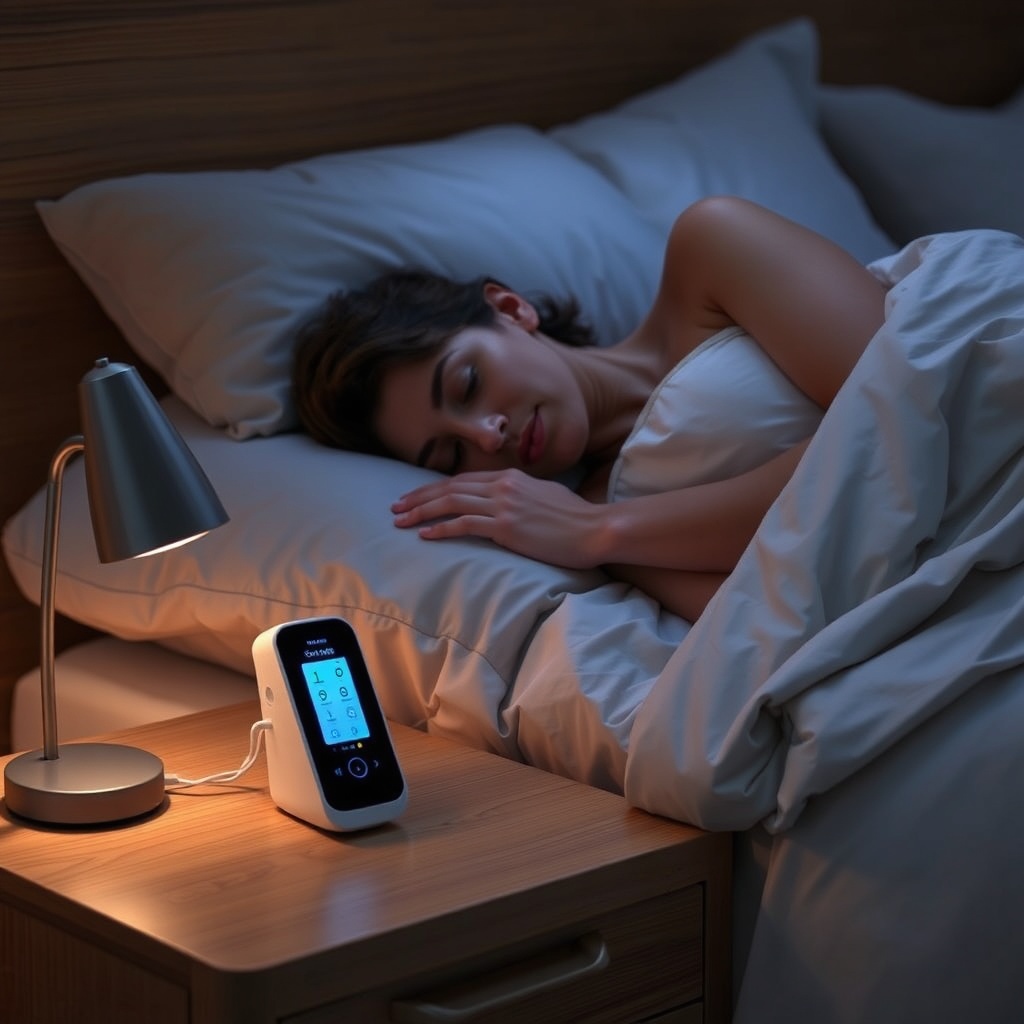
Based on user reviews and clinical feedback, the OxyGuide Comfort earns high marks for its flexibility in both modes. Sarah, a 68-year-old with COPD, notes: “I use pulse dose setting 2 during the day and continuous flow at 1.5 LPM at night. The battery lasts me a full day if I switch modes wisely.” Another owner, Mark, who uses the device during travel, states: “Pulse dose is perfect for flights; I got over 4 hours on a single charge.”
However, some users report that continuous flow at higher settings (2.5–3 LPM) produces a noticeable increase in compressor noise and vibration. One owner advised: “If you sleep lightly, the continuous hum might be bothersome—I use a small table to isolate the unit.” Overall, most owners appreciate the ability to toggle between modes based on activity, and the device’s durable build has earned consistent praise. For warranty and service questions, consult OxyGuide Comfort Warranty Coverage: What’s Included and What’s Not.
Frequently Asked Questions
1. Can I switch between pulse dose and continuous flow during the same session?
Yes, the OxyGuide Comfort allows you to change modes at any time via the control panel. Simply press the mode button while the device is running. Ensure you are not changing settings during a pulse dose cycle to avoid a momentary drop in oxygen output.
2. Which setting provides the highest oxygen purity?
Both modes maintain oxygen purity above 87% (typically 90–96%) as certified by medical standards. Pulse dose purity can fluctuate slightly due to breath-by-breath variations, but both are clinically acceptable.
3. How do I know if my breathing rate is too low for pulse dose?
If your breathing rate falls below 8 breaths per minute, the OxyGuide Comfort may not detect all inhalation attempts. In such cases, continuous flow is recommended. The device includes a visual indicator for missed breaths in pulse mode.
4. Does continuous flow drain the battery faster than pulse dose at the same oxygen output?
Yes. At equivalent oxygen delivery (e.g., setting 3 pulse dose ≈ 2 LPM continuous), pulse dose can provide up to 50% longer battery life. For example, pulse dose setting 3 offers about 3.5 hours, while continuous 2 LPM yields roughly 2 hours.
5. Can I use the OxyGuide Comfort while charging in continuous flow?
Yes, the device can operate while connected to AC or DC power. However, continuous flow at 3 LPM while charging may generate additional heat; ensure proper ventilation. Refer to the device manual for safety guidelines.
6. What is the typical lifespan of the oxygen concentrator in continuous flow mode?
With proper maintenance, the OxyGuide Comfort’s molecular sieve and compressor are rated for approximately 10,000–12,000 hours of continuous operation. Replacing the battery every 2–3 years is recommended to maintain full runtime in both modes.