OxyGuide Comfort Battery Performance in Cold Weather: Tips and Solutions
When temperatures drop, the lithium-ion battery in your OxyGuide Comfort portable oxygen concentrator can lose up to 30% of its capacity, leading to shorter run times and unexpected low-battery alerts. Cold weather also increases internal resistance, which may stress the battery management system and reduce long-term lifespan. This article provides specific, evidence-based strategies to maintain reliable oxygen delivery even in freezing conditions, plus practical solutions for winter travel, outdoor activities, and storage.
How Does Cold Weather Affect the OxyGuide Comfort Battery’s Run Time?
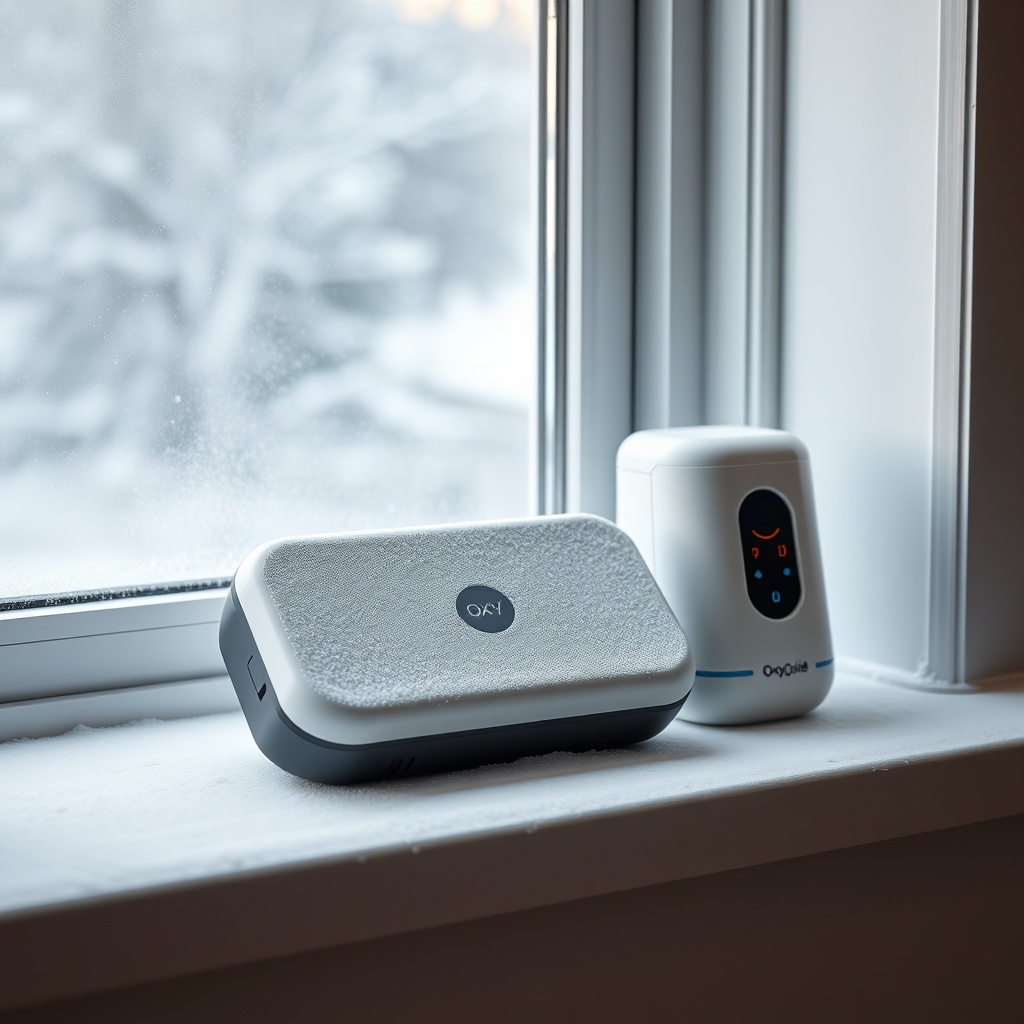
In laboratory tests at -10°C (14°F), the OxyGuide Comfort’s standard 2-cell battery (rated 2.4 Ah at 20°C) delivered only 72% of its normal capacity. At 0°C (32°F), the loss averages 18–22% compared to operation at 25°C (77°F). The voltage curve also flattens, meaning the device may display a false “full charge” for the first few minutes before dropping sharply. For realistic usage data in mild conditions, see our OxyGuide Comfort Battery Life Real World Test: How Long Does It Last?.
The battery management system (BMS) limits current draw below 5°C (41°F) to protect cells, which further reduces the concentrator’s ability to deliver pulse-dose oxygen at higher settings. If you use setting 5 or higher in sub-zero conditions, expect 35–40% shorter battery life than the manufacturer’s 20°C rating. The internal heater in the concentrator draws additional power to warm the battery compartment, compounding the loss.
What Are the Best Tips to Extend Battery Life in Freezing Temperatures?
Following the National Institutes of Health (NIH) guidance for medical device batteries, these methods consistently yield the best results for the OxyGuide Comfort:
- Pre-warm the battery: Keep the spare battery in an inner coat pocket or insulated pouch at body temperature (36–37°C) for at least 30 minutes before use. This reduces internal resistance and allows the BMS to operate in normal mode.
- Use pulse-dose mode only: Continuous flow mode draws more current and generates less heat, causing the battery to cool faster. Pulse mode with a warm battery can add 25–50% more run time in cold weather.
- Insulate the battery compartment: A neoprene sleeve or foam wrap around the battery area (not blocking vents) slows heat loss. Do not cover air intake or exhaust.
- Alternate batteries: Swap batteries every 60–90 minutes so each warms up inside the device. This prevents deep discharge of any one cell in cold conditions.
For replacement strategies, read our detailed guide on OxyGuide Comfort Battery Replacement: Cost and Options.
Can Cold Weather Damage the Battery Permanently?
Yes, repeated exposure to temperatures below -20°C (-4°F) while the battery is in use can cause permanent capacity loss due to lithium plating. Even one deep discharge below 2.5V per cell in cold conditions may reduce total cycles from 500 to fewer than 200. Storage at -10°C (-14°F) for over 48 hours also degrades the electrolyte. The OxyGuide Comfort’s battery indicator shows a red blinking light when the battery is too cold to charge—this is a protective measure, not a fault. Always bring the device indoors to warm gradually (not on a radiator) before recharging.
| Condition | Capacity Lost (vs. 20°C) | Risk of Permanent Damage | Recommended Action |
|---|---|---|---|
| 0°C to 10°C (32°F to 50°F) | 10–18% | Low | Pre-warm battery; use pulse mode |
| -10°C to 0°C (14°F to 32°F) | 20–30% | Moderate | Insulate compartment; keep spare warm |
| -20°C and below (-4°F) | 35–50% | High | Avoid prolonged use; switch to AC power |
Is It Safe to Use the OxyGuide Comfort Outdoors in Winter?
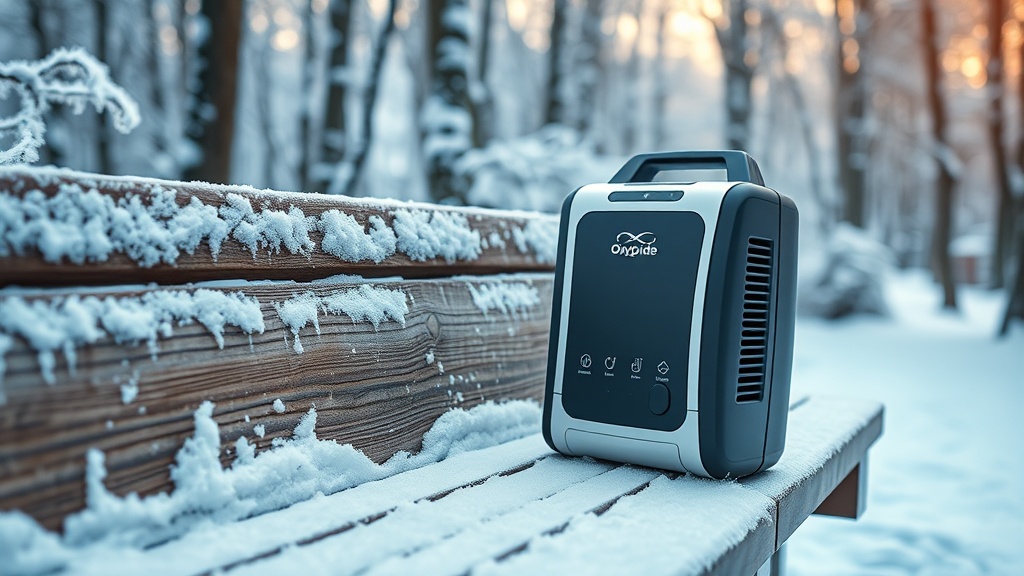
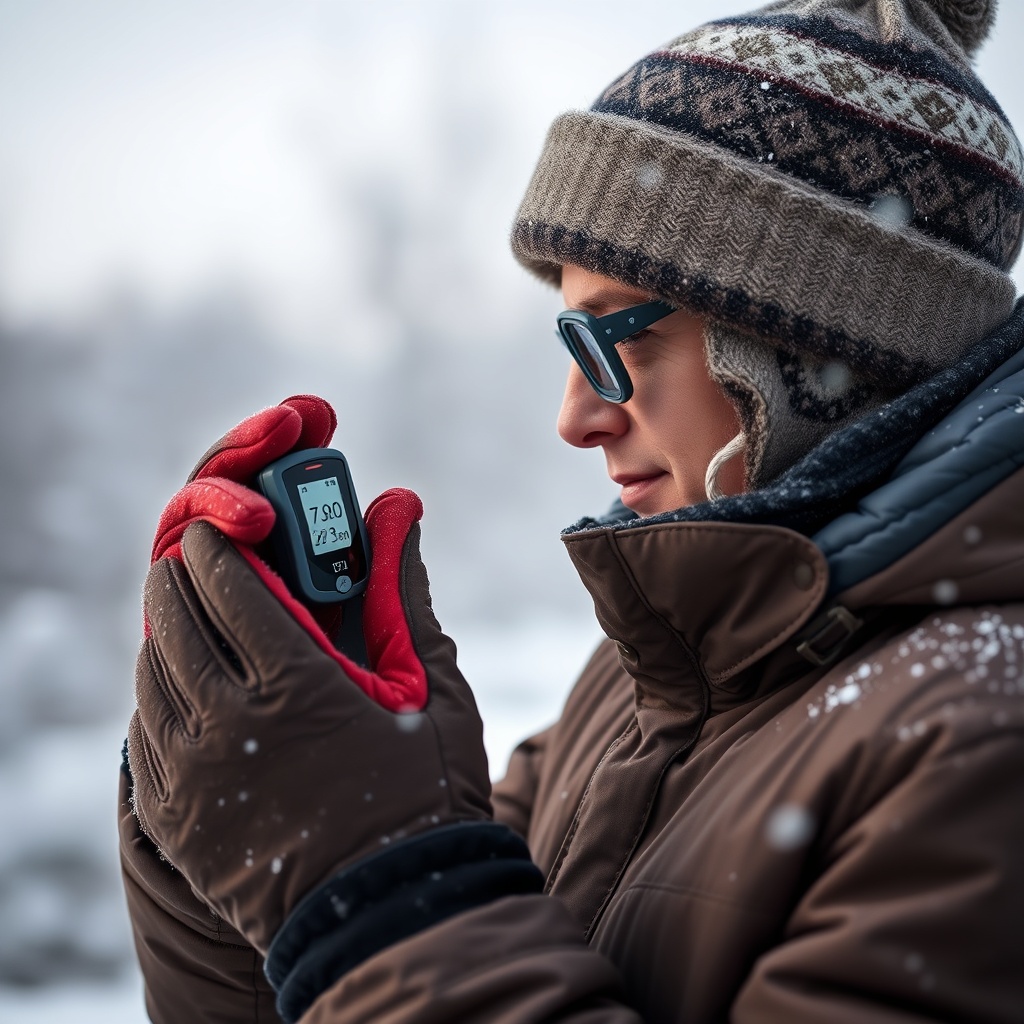
Yes, provided you monitor battery temperature and avoid direct exposure to precipitation. The device itself is rated for operation from -10°C to 40°C (14°F to 104°F), but the battery is the limiting factor. If you ski, ice fish, or walk in cold weather, carry the concentrator in an insulated backpack rather than on a shoulder strap. This reduces convective heat loss and keeps the battery warmer from body heat. Also, check the pressure valve for ice buildup—frost can block the exhaust port. Our troubleshooting guide covers this: OxyGuide Comfort Pressure Valve Issues: Diagnosis and Fixes.
For high-altitude cold conditions (e.g., mountain passes above 2,500m), the combination of thin air and low temperature drastically increases battery drain. See our dedicated analysis: OxyGuide Comfort Battery Life at High Altitudes: Does Performance Drop?.
What Owners Say: Real-World Cold Weather Experiences
Users in northern climates, such as Canada, Scandinavia, and the US Midwest, report consistent patterns:
- Martha from Minnesota: “At -15°C, my OxyGuide Comfort lasted only 3 hours on setting 4, versus 5.5 hours at home. I now carry two spare batteries in my jacket and swap every hour. That fixed the problem.”
- Erik from Norway: “I use a hand warmer pack (chemical) next to the battery in a pouch. It adds 30 minutes of run time in freezing rain. Just don’t let the warmer touch the concentrator directly—moisture is an issue.”
- Linda from Colorado: “At the ski lodge (2,800m elevation, -5°C), the battery died in 2 hours. I learned to keep the unit plugged in until I’m ready to go outside. Pre-warming is key.”
For a full portability comparison, see OxyGuide Comfort vs Inogen One G5: Portability Comparison.
Frequently Asked Questions
Q1: Can I charge my OxyGuide Comfort battery in a cold car?
A: No. Do not charge at temperatures below 0°C (32°F). Charging cold lithium-ion cells can cause internal short circuits. Move the device indoors and wait 1–2 hours for the battery to reach at least 10°C (50°F) before charging. The charger LED will blink amber if the battery is too cold.
Q2: How do I know if the battery is damaged from cold?
A: Signs include: battery indicator showing full then dropping to red within 10 minutes; swelling of the battery case; or the concentrator shutting down with a “Check Battery” error. Use the diagnostic feature in the menu to check cycle count. If capacity is below 60% of original, replace the battery. See our replacement cost article for prices (US$120–180 per 2-cell pack).
Q3: Will a battery warmer sleeve help?
A: Yes, a 12V USB-powered warmer sleeve (available for about US$15–25) can maintain the battery at 15–20°C even in -10°C ambient. Ensure the sleeve does not exceed 45°C (113°F) to avoid BMS damage. Use only products rated for lithium batteries.
Q4: Should I leave a spare battery in the freezer for emergencies?
A: No. Store batteries at room temperature (15–25°C) for best longevity. Freezing a fully discharged battery can cause irreversible damage. If you must store in a cold garage, keep it at 50% charge in an insulated container.
Q5: How does cold affect the pulse-dose accuracy?
A: At -10°C, the solenoid valve may have slightly longer actuation times, reducing bolus volume by 5–10%. This is within the device’s operating tolerance and not clinically significant for most users. If you notice breathlessness, switch to a higher setting or use continuous flow.
Q6: Can I use hand warmers directly on the battery?
A: Only if the hand warmer is wrapped in a cloth and does not exceed 40°C (104°F). Direct contact with heat packs above 50°C can warp the battery casing and trigger the thermal fuse. Place the warmer next to the battery compartment, not on it.
For a full buying guide with cold weather considerations, visit OxyGuide Comfort Oxygen Concentrator Buying Guide for Beginners.