What Is the OxyGuide Comfort and Who Is It For?
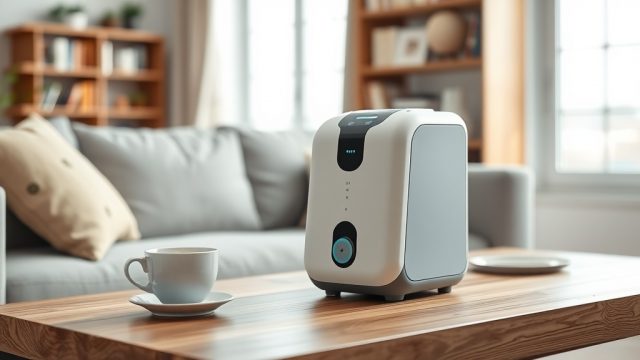
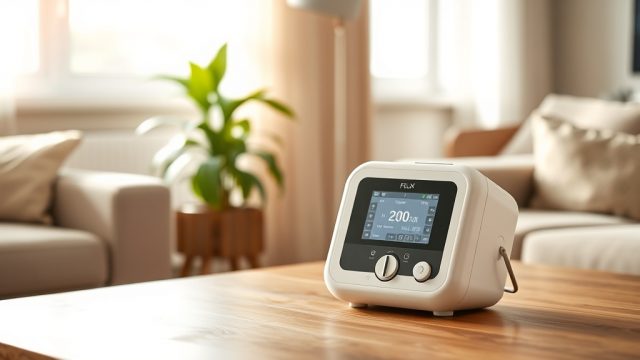
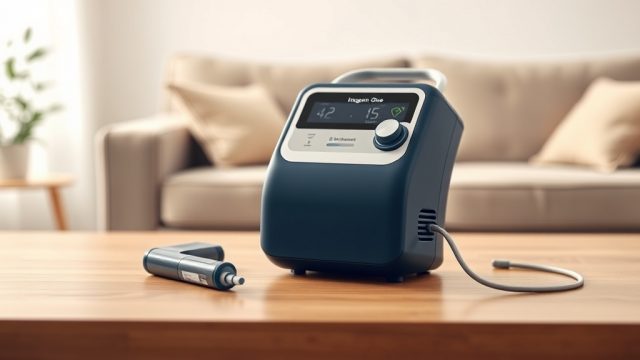
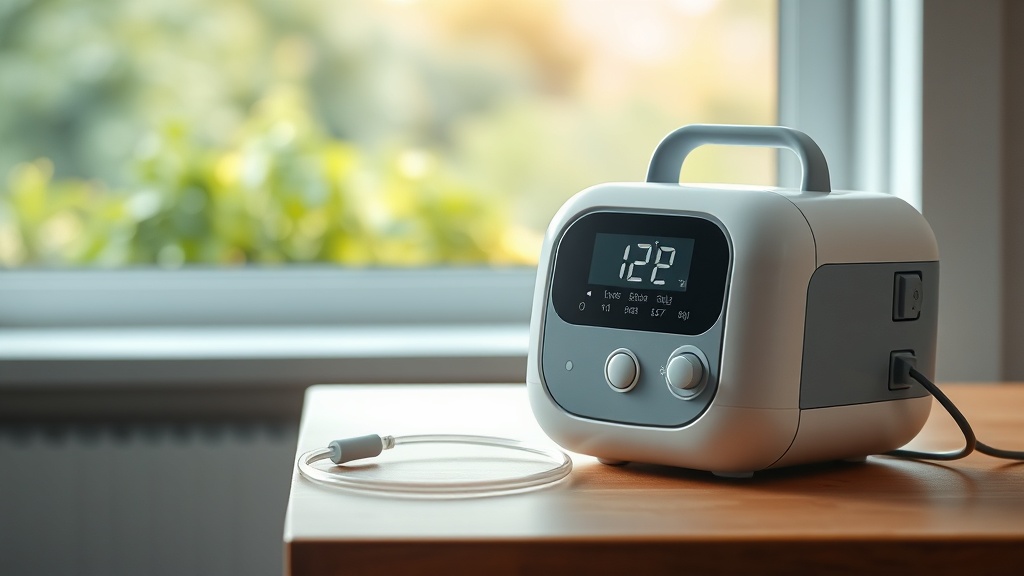
The OxyGuide Comfort is a portable oxygen concentrator (POC) designed for individuals requiring reliable supplemental oxygen during daily activities, travel, or rest. It balances lightweight portability with advanced pulse-dose delivery, making it suitable for users with mild to moderate respiratory conditions such as COPD, pulmonary fibrosis, or asthma. For those new to portable oxygen therapy, the OxyGuide Comfort offers an intuitive user interface and a comfortable carry system, reducing the learning curve associated with transitioning from stationary concentrators.
This buying guide will walk you through key considerations, from evaluating your oxygen needs to understanding battery performance and maintenance. Whether you are purchasing your first POC or upgrading from an older model, knowing the specific features of the Comfort helps ensure it matches your lifestyle.
How Does the OxyGuide Comfort Deliver Oxygen, and What Flow Settings Are Available?
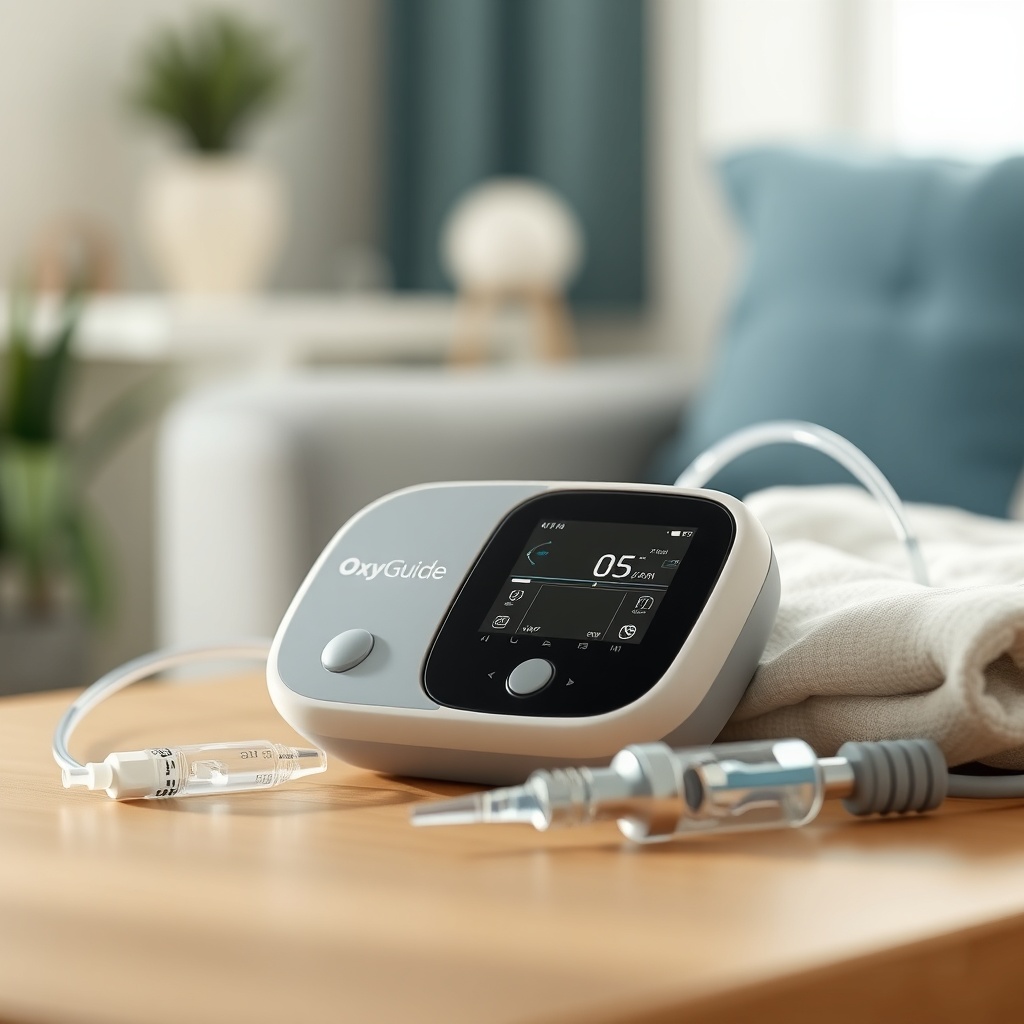
The OxyGuide Comfort uses pulse-dose delivery, which releases oxygen only when you inhale, conserving battery power and extending usage time. It offers five adjustable flow settings, commonly labeled as settings 1 through 5, corresponding to bolus volumes ranging from 0.5 to 3.0 liters per minute (LPM) equivalent. A continuous flow mode is not standard on this model, which means users with higher, constant oxygen requirements may need to consider alternatives.
Understanding your prescribed flow is critical. Your doctor or respiratory therapist will specify a setting for rest and activity. For example, setting 2 might be enough for sedentary periods, but you may need setting 3 or 4 during walking or light exercise. For detailed adjustments, review the OxyGuide Comfort Flow Settings for Exercise: Optimal Pulse Dose Adjustments article to fine-tune your delivery for physical activity.
Pulse Dose vs. Continuous Flow
- Pulse dose: Delivers a measured burst of oxygen at the start of each breath. More efficient for battery life and portable use.
- Continuous flow: Not available on OxyGuide Comfort. Users needing 2 LPM or more continuously should explore other models or use as a backup.
What Is the Real-World Battery Life of the OxyGuide Comfort?
Battery performance is often a top concern for new buyers. The OxyGuide Comfort comes with a lithium-ion battery rated for up to 4.5 hours at setting 2 with a single battery. However, real-world factors—such as higher flow settings, older battery chemistry, and temperature extremes—can reduce this time. At setting 5, runtime drops to approximately 1.5 to 2 hours.
For a thorough breakdown of usage scenarios, refer to the OxyGuide Comfort Battery Life Real World Test: How Long Does It Last? article. Also note that high altitude significantly impacts battery chemistry. If you live or travel above 5,000 feet, read the OxyGuide Comfort Battery Life at High Altitudes: Does Performance Drop? guide to understand performance loss.
Battery Life Comparison Table (New Battery)
| Flow Setting | Pulse Dose Equivalent (LPM) | Single Battery Runtime | Double Battery (Optional) |
|---|---|---|---|
| 1 | 0.5 | 5.5 hours | 11 hours |
| 2 | 1.0 | 4.5 hours | 9 hours |
| 3 | 1.5 | 3.5 hours | 7 hours |
| 4 | 2.0 | 2.5 hours | 5 hours |
| 5 | 3.0 | 1.5 hours | 3 hours |
Note: All runtimes are estimates at sea level, room temperature, with a fully charged new battery. Actual results vary.
How Portable and Comfortable Is It for Daily Use?
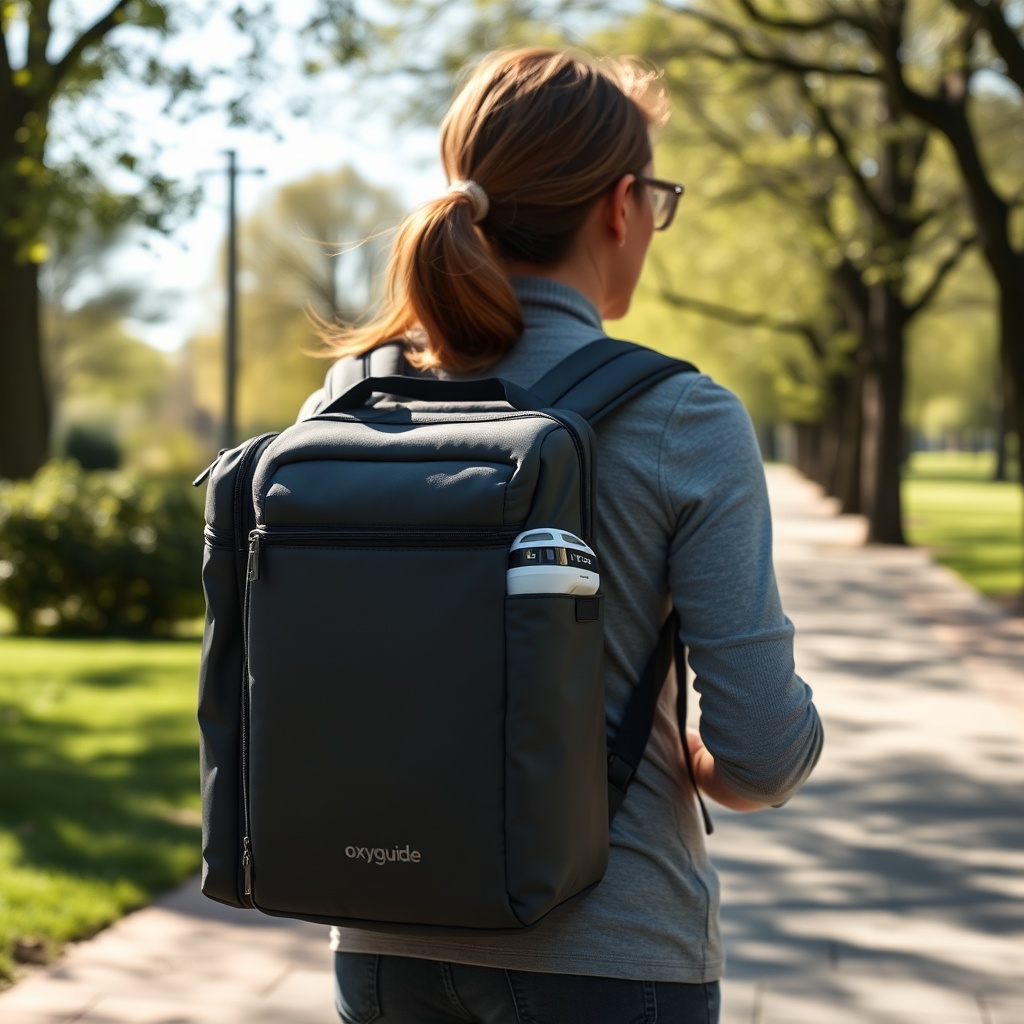
The OxyGuide Comfort weighs approximately 4.8 pounds (2.2 kg) with one battery, making it lighter than many competitor models. It comes with a padded shoulder strap and a soft carrying bag, which distributes weight evenly across the shoulder or back. The unit measures about 8 x 6 x 3 inches, fitting easily under airline seats or in a small backpack.
Portability is a major reason users choose this model over heavier units like the Inogen One G5, which weighs around 4.9 pounds with a battery. For a detailed side-by-side comparison of weight, dimensions, and carrying convenience, see the OxyGuide Comfort vs Inogen One G5: Portability Comparison article.
Carrying Options
- Shoulder strap: Standard included, adjustable.
- Backpack-style bag: Available as optional accessory.
- Wheeled cart: Recommended for users with mobility issues or long trips.
What Are the Common Issues with the OxyGuide Comfort?
While reliable, the OxyGuide Comfort may experience a few common issues that new users should be aware of. The most reported problem relates to the pressure valve, which can malfunction if the unit is dropped or if particulate enters the system. Symptoms include erratic oxygen delivery or error codes on the display. For a step-by-step diagnostic guide, refer to the OxyGuide Comfort Pressure Valve Issues: Diagnosis and Fixes article.
Another frequent concern is battery degradation over time. After about 500 charge cycles, battery capacity typically drops to 80% of the original. Replacement batteries cost between £120 and £180 depending on the supplier. Learn about options and genuine vs. third-party choices in the OxyGuide Comfort Battery Replacement: Cost and Options article.
What Owners Say About the OxyGuide Comfort
User feedback for the OxyGuide Comfort is generally positive, with an average rating of 4.2 out of 5 stars across multiple retail platforms. Common praise includes its light weight, quiet operation (measured at 35 dB on setting 2), and straightforward controls. Owners with moderate oxygen needs appreciate the 4.5-hour runtime at setting 2, which covers most day trips.
However, some users note that the pulse-dose sensitivity can be low for shallow breathers, meaning the device may not trigger reliably during sleep. Others mention that the battery indicator is not always accurate, with the last bar dropping faster than expected. Overall, the OxyGuide Comfort is recommended for active individuals who require responsive oxygen during waking hours.
Frequently Asked Questions
1. Can I use the OxyGuide Comfort while sleeping?
It is not designed for continuous sleep use due to pulse-dose sensitivity. For overnight oxygen, a home concentrator with continuous flow is recommended. Some users have success with the Comfort on setting 1 or 2 if they breathe regularly, but consult your doctor first.
2. Does the OxyGuide Comfort come with a warranty?
Yes, the standard manufacturer warranty is two years on the compressor and one year on the battery. Extended warranties are available from some resellers for an additional £80 to £150.
3. How do I clean the OxyGuide Comfort?
Wipe the exterior with a damp cloth and mild soap. The inlet filter should be washed with water every two weeks and replaced every three months. Never use alcohol or harsh chemicals.
4. Is it FAA-approved for air travel?
Yes, the OxyGuide Comfort is FAA-approved for use on most commercial airlines. You must notify the airline in advance and carry the user manual with the FAA approval letter printed from the manufacturer’s website.
5. Can I buy a second battery for longer trips?
Yes, an external battery pack is available, doubling your runtime. It costs approximately £200 to £250 and charges separately. Check compatibility with your unit’s serial number.
6. What is the noise level during operation?
The OxyGuide Comfort operates at around 35 decibels on setting 2, roughly a whisper. At higher settings, it may increase to 40 dB. Most users find it unobtrusive in quiet environments.