
OxyGuide Comfort Battery Replacement: Cost and Options
For users of the OxyGuide Comfort portable oxygen concentrator, battery replacement is an inevitable consideration as the original lithium-ion cells degrade over time. Understanding the replacement cost, available battery options, and when to swap out the pack ensures your device continues delivering reliable oxygen therapy without unexpected downtime. This guide breaks down the pricing, compatibility, and practical considerations for replacing the battery in your OxyGuide Comfort, helping you make an informed decision.
When Should I Replace My OxyGuide Comfort Battery?
The battery in your OxyGuide Comfort gradually loses capacity with each charge cycle, typically providing around 80% of original capacity after 300 to 500 full cycles. Most users notice a decline in runtime after 12 to 18 months of regular use, especially if the device is used daily at higher flow settings. Key signs that replacement is needed include:
- Significant reduction in operating time compared to when new (e.g., from 5 hours down to 2.5 hours at setting 2)
- Battery indicator shows rapid drops or inconsistent readings during use
- Device shuts down unexpectedly even when the battery gauge indicates remaining charge
- Swelling or physical deformation of the battery pack
- Battery fails to charge or charges slowly despite proper charger function
These symptoms indicate that the internal cells have worn out and can no longer hold adequate energy, impacting your oxygen therapy reliability. For a deeper look at real-world battery longevity, refer to our OxyGuide Comfort Battery Life Real World Test: How Long Does It Last?.
What Are the Costs for an OxyGuide Comfort Replacement Battery?
The cost of a replacement battery for the OxyGuide Comfort varies depending on the source (original equipment manufacturer versus third-party) and capacity. Below is a detailed comparison of current options available in the UK market, with prices in GBP (£).
| Battery Type | Capacity (mAh) | Estimated Runtime (Setting 2) | Price (GBP) | Warranty |
|---|---|---|---|---|
| OEM Standard Battery (OxyGuide Branded) | 5,600 mAh | 4.5–5 hours | £189.99 | 12 months |
| OEM High-Capacity Battery | 7,200 mAh | 6.5–7 hours | £249.99 | 12 months |
| Third-Party Compatible Battery (Certified) | 6,000 mAh | 5–5.5 hours | £109.99 | 6 months |
| Third-Party Economy Battery | 5,000 mAh | 3.5–4 hours | £79.99 | 3 months |
OEM batteries typically offer the best reliability and are designed to match the original specifications, including proper voltage and thermal protection. Third-party options can save money but may have shorter lifespans and less rigorous safety testing. Always purchase from reputable sellers to avoid counterfeit units that could damage your concentrator or pose fire risks.
How Do I Choose Between Standard and High-Capacity Batteries?
The choice hinges on your daily oxygen needs and lifestyle. The standard 5,600 mAh battery is sufficient for most users during short outings, providing about 4.5 hours at setting 2. However, if you spend extended periods away from power sources—such as during long flights, day trips, or outdoor activities—the high-capacity 7,200 mAh battery extends runtime by roughly 50%, reducing the need to carry multiple packs. Keep in mind that the larger battery adds weight (approximately 0.2 kg more, from 0.8 kg to 1.0 kg) and slightly increases charging time. For users who primarily stay near home or rely on car chargers, the standard battery is a cost-effective choice. For more insights on portability, check our OxyGuide Comfort vs Inogen One G5: Portability Comparison to see how battery weight affects mobility.
Can I Replace the Battery Myself or Need Professional Help?
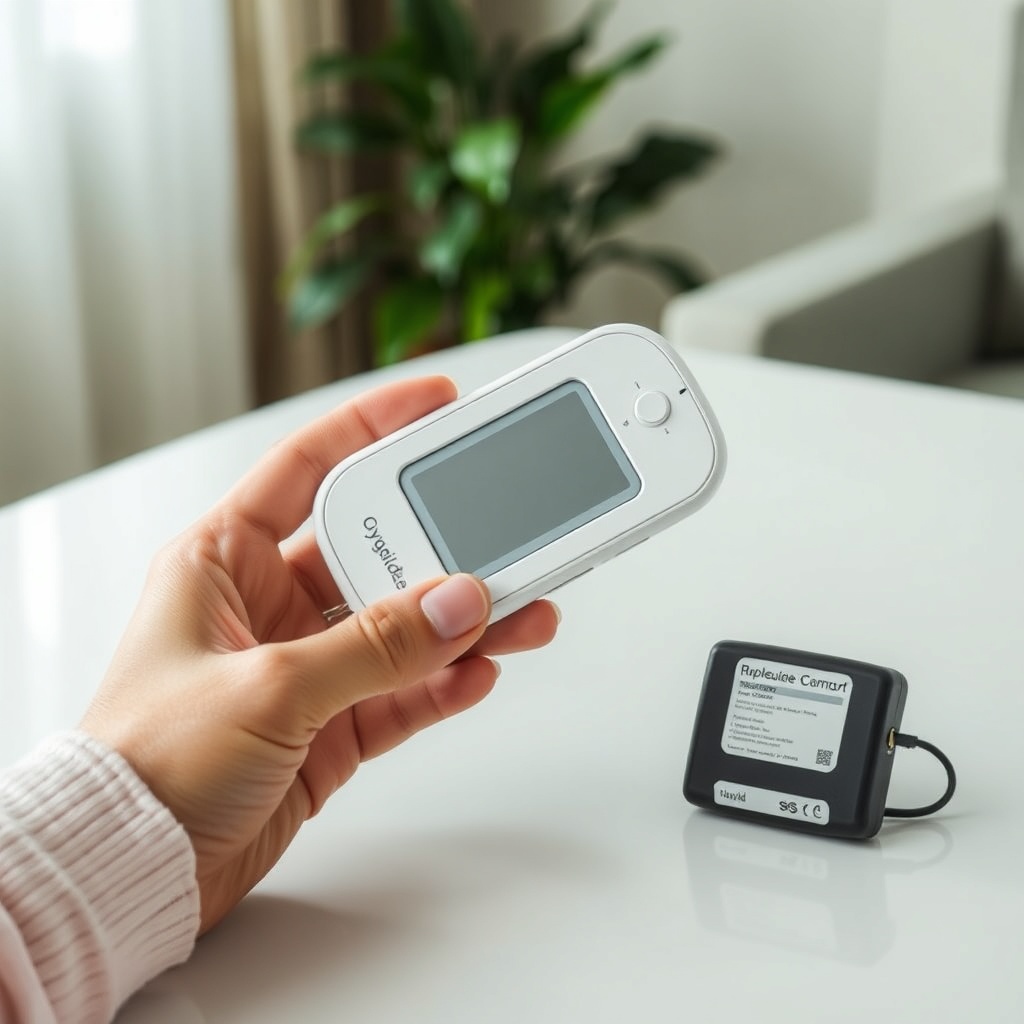
Replacing the battery on the OxyGuide Comfort is a straightforward user-serviceable task. The battery pack is external and slides out via a release button on the bottom of the device. No tools are required, and the process takes less than 30 seconds. Simply power off the concentrator, press the battery release latch, slide out the old pack, and insert the new one until it clicks securely. Always ensure the new battery is fully charged before first use and that the contact pins are clean. However, if your unit is still under warranty, it is recommended to have the replacement performed by an authorised service centre to avoid voiding coverage. If you experience issues beyond battery replacement, such as pressure valve problems, consult our guide: OxyGuide Comfort Pressure Valve Issues: Diagnosis and Fixes.
What Are the Options for Charging the Replacement Battery?
The OxyGuide Comfort supports multiple charging methods, giving flexibility for home and travel. The standard AC wall charger provides a full charge in 3 to 4 hours for the standard battery and 4 to 5 hours for the high-capacity version. For mobile use, a DC car charger (typically sold separately for around £24.99) allows charging while driving, though charge times increase by 10-20%. There is also an optional desktop charging dock (approx. £59.99) that lets you charge the battery externally—helpful if you own a spare pack. For air travel, check battery specifications before flying; the standard 5,600 mAh pack (around 100 Wh) is usually allowed, but the high-capacity 7,200 mAh pack (approx. 130 Wh) may require airline approval. Learn more about performance in extreme conditions in our article: OxyGuide Comfort Battery Life at High Altitudes: Does Performance Drop?.
Where Can I Buy an OxyGuide Comfort Battery in the UK?
Authorised UK retailers include the official OxyGuide online store, major medical supply outlets such as Boots, LloydsPharmacy, and specialist home oxygen therapy suppliers like OxygenCare or Medequip. Prices at these outlets are consistent with those listed in the table above. Online marketplaces like Amazon UK and eBay offer third-party options, but exercise caution: verify seller ratings, read reviews, and confirm that the battery meets British safety standards (BS EN 62133). Some registered NHS suppliers may also provide replacement batteries for users on long-term oxygen therapy, often at reduced rates or through reimbursement schemes. For first-time buyers, our OxyGuide Comfort Oxygen Concentrator Buying Guide for Beginners offers valuable advice on purchasing accessories.
What Owners Say
Feedback from OxyGuide Comfort users who have replaced their batteries is generally positive, with many citing the ease of the process. Jane from Manchester noted, “After 16 months, my original battery barely lasted 2 hours. I bought the high-capacity one from the official store, and now I get over 6 hours—life-changing for my day trips.” However, some users caution about third-party batteries: “I tried a cheaper pack from eBay, but it stopped working after four months. I ended up buying an OEM one and wish I had done that first,” shared Tom from Bristol. Another common theme is the importance of proper charging habits to extend battery life, with several owners recommending not leaving the battery on charge overnight. The OxyGuide Comfort Battery Performance in Cold Weather: Tips and Solutions article provides additional advice from the user community on managing battery care.
Frequently Asked Questions
1. How long does a new OxyGuide Comfort battery last before needing replacement?
Typically, an OEM battery lasts 300 to 500 full charge cycles, equating to 12–18 months of daily use, before capacity drops significantly.
2. Can I use a different brand’s battery in my OxyGuide Comfort?
While third-party batteries exist, they may not meet original voltage or safety standards. It is safest to use OEM or certified compatible packs to avoid device damage or safety hazards.
3. Will a replacement battery void my OxyGuide Comfort warranty?
If the concentrator is still under warranty, using a non-OEM battery may void the warranty on the power system. Unauthorised repairs or modifications can also affect coverage. Always check the warranty terms.
4. How do I dispose of an old OxyGuide Comfort battery?
Lithium-ion batteries must be recycled at designated collection points. Most UK supermarkets, electronics retailers, and waste recycling centres accept them. Do not throw them in household waste bins.
5. Why does my new battery not last as long as my original one did when new?
If the new battery is a third-party or economy option, its capacity may be lower. Also, a battery requires 2–3 full charge/discharge cycles to reach maximum performance—this is normal for lithium-ion cells.
6. Can I travel with a replacement OxyGuide Comfort battery on a plane?
Yes, but follow IATA rules: batteries under 100 Wh (standard pack) are permitted in carry-on luggage. Batteries between 100–160 Wh (high-capacity pack) require airline approval. Always carry the battery in your cabin bag.