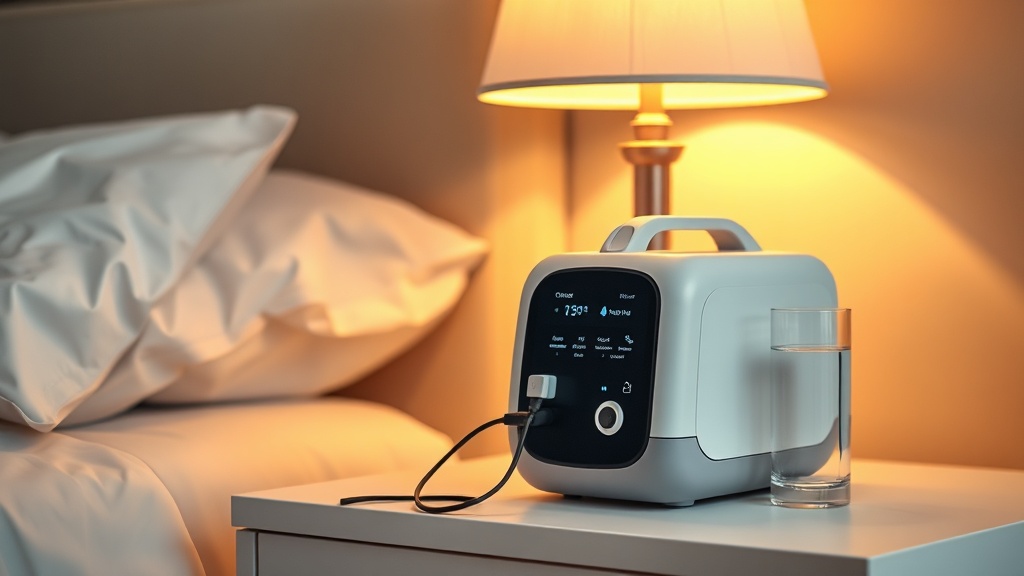
OxyGuide Comfort No Power: Troubleshooting Guide
When your OxyGuide Comfort portable oxygen concentrator suddenly shows no sign of power, it can disrupt daily activities and cause concern. This guide provides a structured approach to diagnosing and resolving power issues, helping users get back to therapy quickly. Understanding common failure points and simple checks can often restore operation without requiring service.
Why Does the OxyGuide Comfort Show No Power at All?
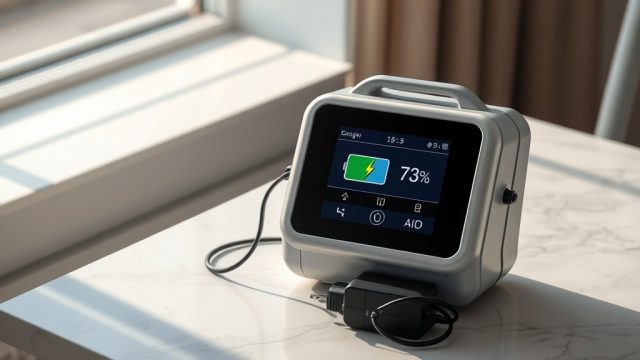
The most common reason for a dead unit is a depleted or faulty battery pack. First, ensure the device is turned off and connected to the AC power adapter. If the charging indicator LED (usually near the power button) does not light up after 30 seconds, the issue may lie with the adapter or the power cord. Check for loose connections at both the wall outlet and the concentrator’s DC input port. A blown fuse in the AC adapter is rare but possible—inspect the adapter for any burning smell or visible damage. If the LED lights but the unit still fails to power on, the battery may need recalibration. Perform a hard reset: remove the battery, unplug all cables, wait 60 seconds, reinsert the battery, and plug in again. If no LED appears, try a different wall outlet or test the adapter on another OxyGuide Comfort if available.
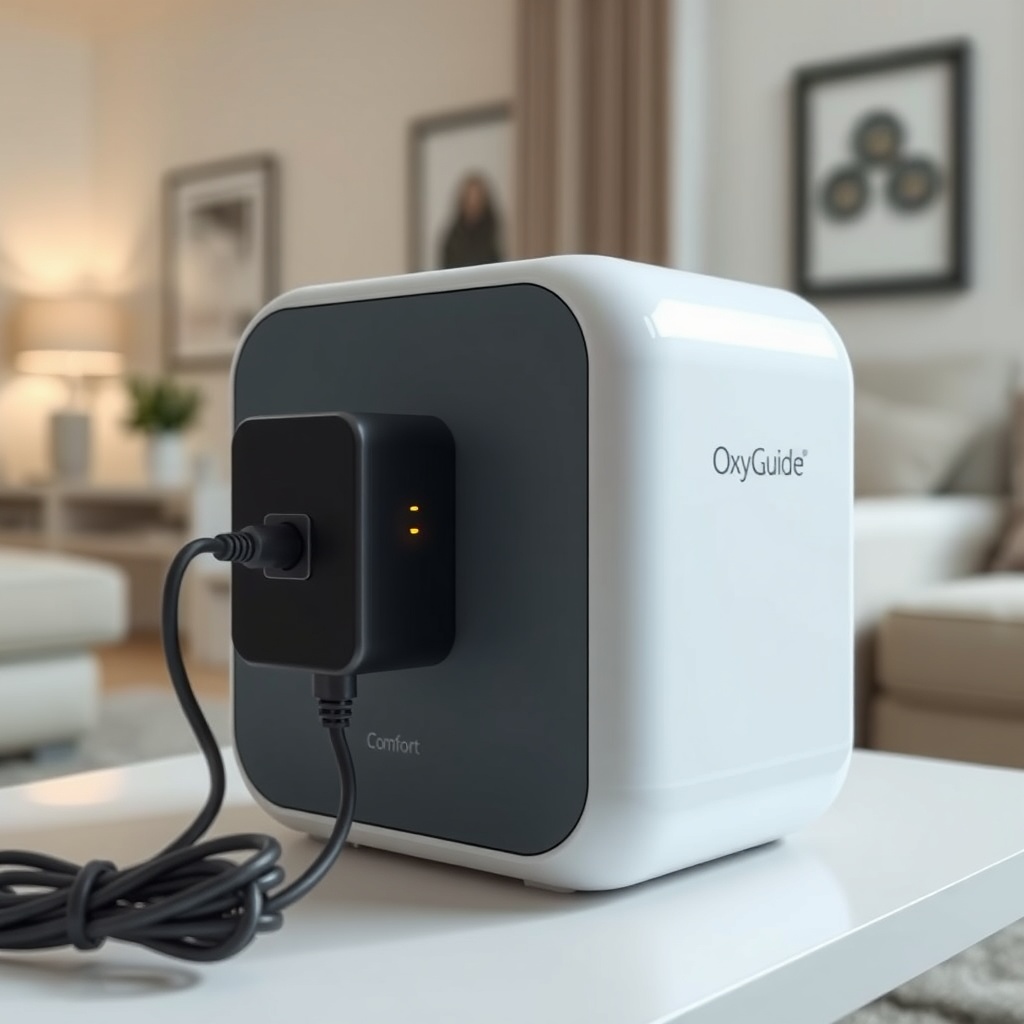
How to Test the OxyGuide Comfort Battery for Failure?
Battery failure is common after 12–18 months of regular use, especially if the concentrator has been left in extreme temperatures. The OxyGuide Comfort uses a 14.8V lithium-ion battery pack rated at 4.0 Ah (59.2 Wh). To test, remove the battery and connect the unit directly to AC power. If the concentrator operates normally on AC but dies immediately when unplugged, the battery is suspect. Use a multimeter set to DC voltage on the battery terminals—expect a reading between 14.4V and 16.8V when fully charged. A reading below 12.0V suggests deep discharge or cell failure. Replacement battery packs cost around £189–£215 in the UK or $229–$269 USD. Always purchase from authorized suppliers to avoid compatibility issues.
| Troubleshooting Step | Action | Indication | Severity |
|---|---|---|---|
| Check AC adapter LED | Plug adapter into wall, observe LED on adapter brick | No LED: adapter failure | High |
| Battery voltage test | Multimeter on battery terminals (red to positive, black to negative) | Below 12.0V: battery low | Medium |
| Hard reset | Remove battery, wait 60s, reconnect | Unit powers on: reset successful | Low |
| Alternative power source | Use DC car adapter or external battery pack | Works: main battery fault | Medium |
| Inspect power port | Look for bent pins or debris in DC input jack | Damage visible: port repair needed | High |
What to Do If the OxyGuide Comfort Powers On but Dies Immediately?
This scenario often points to a battery that cannot hold a charge or an internal power management issue. After powering on, if the concentrator shows the boot screen and then shuts down within 2–3 seconds, try connecting to AC power. If it stays on, the battery is failing. If it dies even on AC, the internal voltage regulator or motherboard may be damaged. Step one: remove any external attachments like a portable battery pack and try a fresh, fully charged battery. Step two: check for overheating—the unit may shut down protectively if internal temperature exceeds 40°C (104°F). Let it cool for 30 minutes in a shaded area. If the problem persists, contact OxyGuide support. For those comparing models, see our guide on pulse dose vs continuous flow to understand how therapy settings affect power draw.
Can a Faulty AC Adapter Cause No Power on the OxyGuide Comfort?
Absolutely. The original OxyGuide Comfort AC adapter (model OG-CA100, output 19V/3.42A) is a common weak point. Over time, the cable near the connector can fray internally, causing intermittent or no charging. To test, wiggle the cable gently while observing the charging light. If the light flickers, the cable is damaged. Another quick test: use the 12V car adapter provided with the unit. If the concentrator powers from the vehicle DC outlet but not from AC, the adapter is faulty. Replacement AC adapters cost around £34–£42 ($39–$49 USD). Do not substitute with generic adapters; voltage or polarity mismatch can permanently damage the unit. For noise-related issues during charging or use, refer to our article on sleep noise levels.
How to Reset the OxyGuide Comfort When It Shows No Power?
A proper reset can clear transient software faults that mimic hardware failure. Follow these steps in order: (1) turn off the unit using the power button. (2) disconnect the battery by sliding the release latch and lifting it away. (3) unplug all power sources (AC adapter, car adapter, external battery). (4) wait at least 90 seconds to allow capacitors to discharge. (5) reinsert the battery—ensure it clicks securely. (6) connect AC power and press the power button for 5 seconds until the display lights up. If the unit still shows no sign of power, the problem may be deeper. Some users find that removing the battery and pressing the power button for 10 seconds (while no battery is attached) drains residual charge and reinitializes the board. This is safe and non-destructive. For battery life comparisons, see our comparison with the Philips SimplyGo Mini.
What to Check Inside the OxyGuide Comfort Power Port and Fuse?
The DC input port on the OxyGuide Comfort is recessed and can collect dust or lint. Use a plastic toothpick or compressed air to gently clean the port. Inspect the center pin—a bent or broken pin will prevent charging. The unit also contains a user-replaceable 3A blade fuse located near the battery compartment (inside a small holder). Check the fuse with a multimeter on continuity mode; a blown fuse will read infinite resistance. Replacement fuses are £1.50–£3 ($2–$4 USD) from electronic supply stores. If the fuse blows immediately after replacement, there is a short circuit in the internal power supply, requiring professional service. For noise levels during operation after repair, check our comparison with the Caire Freestyle Comfort.
What Owners Say
Real-world experiences from the OxyGuide Comfort community highlight several recurring power issues. Many users report that the unit’s battery indicator can be misleading—showing 50% charge one moment and then completely dead the next. One owner, Sarah from Manchester, noted: “I thought my unit was broken when it wouldn’t turn on, but it was just a loose connection on the car adapter. Cleaning the port fixed it.” Another common sentiment is that the AC adapter is the weakest component; several owners have replaced theirs within the first year. Some recommend carrying a spare adapter in the travel bag. A user in Florida shared: “After three years, my battery finally gave out. I replaced it myself for $250, and it works like new—but I wish the original battery had lasted longer.” Overall, most owners agree that while the OxyGuide Comfort is reliable, the power system requires occasional maintenance. To avoid these issues, see our buying guide for tips on selecting a reliable unit.
Frequently Asked Questions
Q: How long does the OxyGuide Comfort battery last on a full charge?
A: At pulse dose setting 2, the battery typically lasts 4–6 hours. Continuous flow reduces runtime to approximately 1.5–3 hours depending on flow rate.
Q: Can I use the OxyGuide Comfort while it is charging?
A: Yes, the unit can operate on AC power while charging the internal battery. This is standard and safe.
Q: What should I do if the charging light is off even when plugged in?
A: Check the wall outlet with another device. Then test the AC adapter with a voltmeter. If the adapter output is less than 18V, replace it.
Q: Is the OxyGuide Comfort battery covered under warranty?
A: The battery is covered for 6 months from purchase, while the unit has a 2-year warranty. Batteries are considered consumable items.
Q: How do I know if my OxyGuide Comfort needs a new battery vs. new internal board?
A: If the unit works perfectly on AC power but fails on battery, it is almost certainly a battery issue. If it fails on both AC and battery, the internal board may be damaged.
Q: Can extreme cold or heat damage the OxyGuide Comfort battery?
A: Yes. Operating below 5°C (41°F) or above 35°C (95°F) can degrade battery performance. Storage above 45°C (113°F) may permanently damage cells.