OxyGuide Comfort Troubleshooting: Low Oxygen Alarms and How to Fix Them
For users of the OxyGuide Comfort portable oxygen concentrator, low oxygen alarms can be both concerning and disruptive. Understanding why these alarms sound and how to resolve them is essential for maintaining consistent therapy. This guide covers the most common causes of low oxygen alarms and provides step-by-step solutions to restore proper function quickly.
Why Does My OxyGuide Comfort Keep Showing a Low Oxygen Alarm?
The low oxygen alarm on the OxyGuide Comfort typically indicates that the device is detecting oxygen purity levels below the safe threshold of 87-88% at the cannula outlet. This can result from several underlying issues, ranging from simple user errors to component failures. The most frequent causes include clogged inlet filters, exhausted sieve beds, insufficient power supply, or problems with the oxygen delivery circuit.
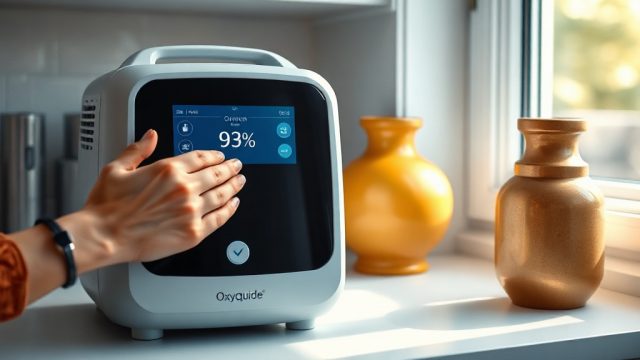
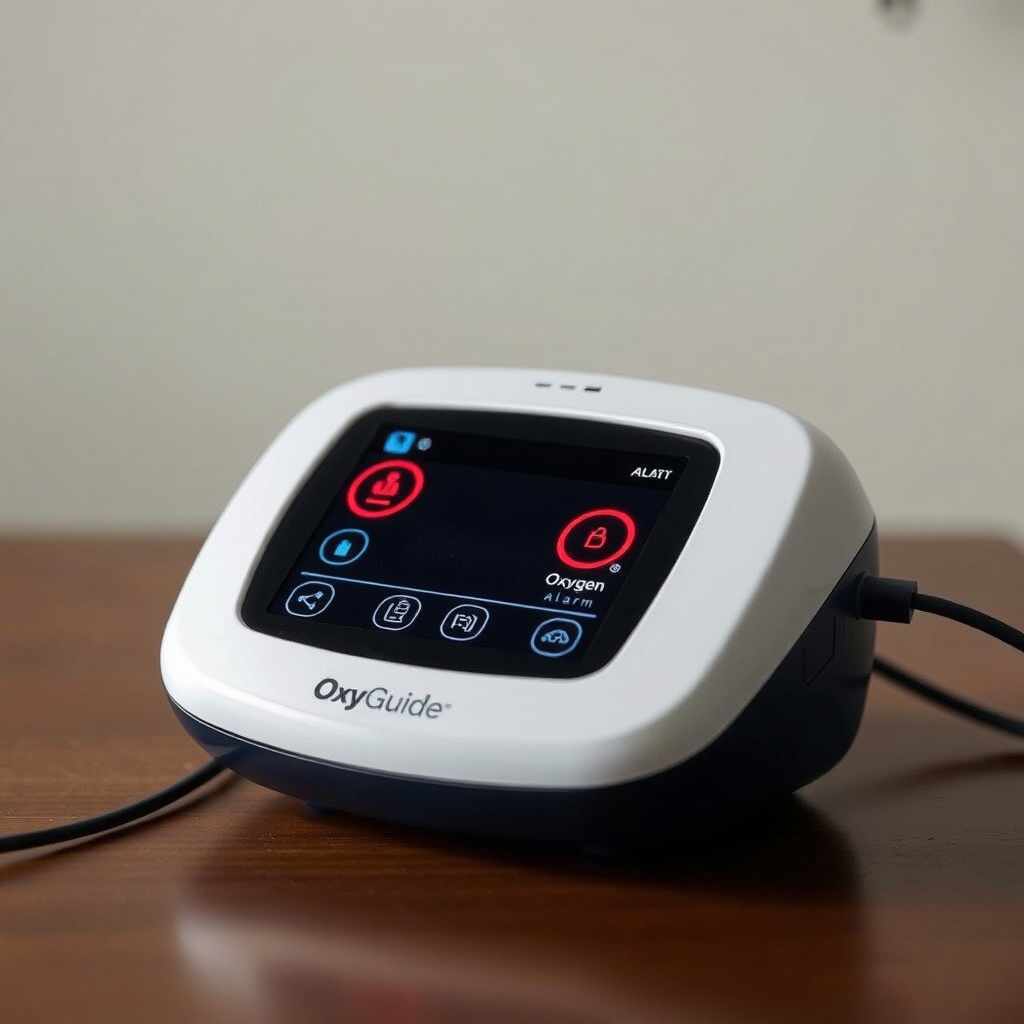
When the alarm sounds, check the device’s display for error codes—common ones include “O2 Low” or “Error 4.” Always begin troubleshooting with the simplest checks before assuming a mechanical fault. For a full list of error codes and their meanings, refer to the user manual that came with your unit.
What Are the First Steps to Take When a Low Oxygen Alarm Sounds?
When the low oxygen alarm activates, start with these immediate checks:
- Verify the oxygen tubing is not kinked or pinched. Run your fingers along the entire length from the device to the nasal cannula. A simple kink can trigger a false alarm.
- Check the cannula for blockages. If you’ve been using the same cannula for more than two weeks, replace it, as moisture or debris can accumulate.
- Inspect the external air intake filter. A dirty or lint-covered filter reduces oxygen production efficiency. Clean or replace it if needed (detailed steps below).
- Restart the device. Turn off the OxyGuide Comfort, wait 60 seconds, and turn it back on. A soft reset can clear transient alarm conditions.
If the alarm persists after these steps, move on to the more in-depth troubleshooting sections below. For issues related to battery problems that may also trigger low oxygen alarms, see our guide on OxyGuide Comfort Battery Drain Issues: Common Causes and Fixes.
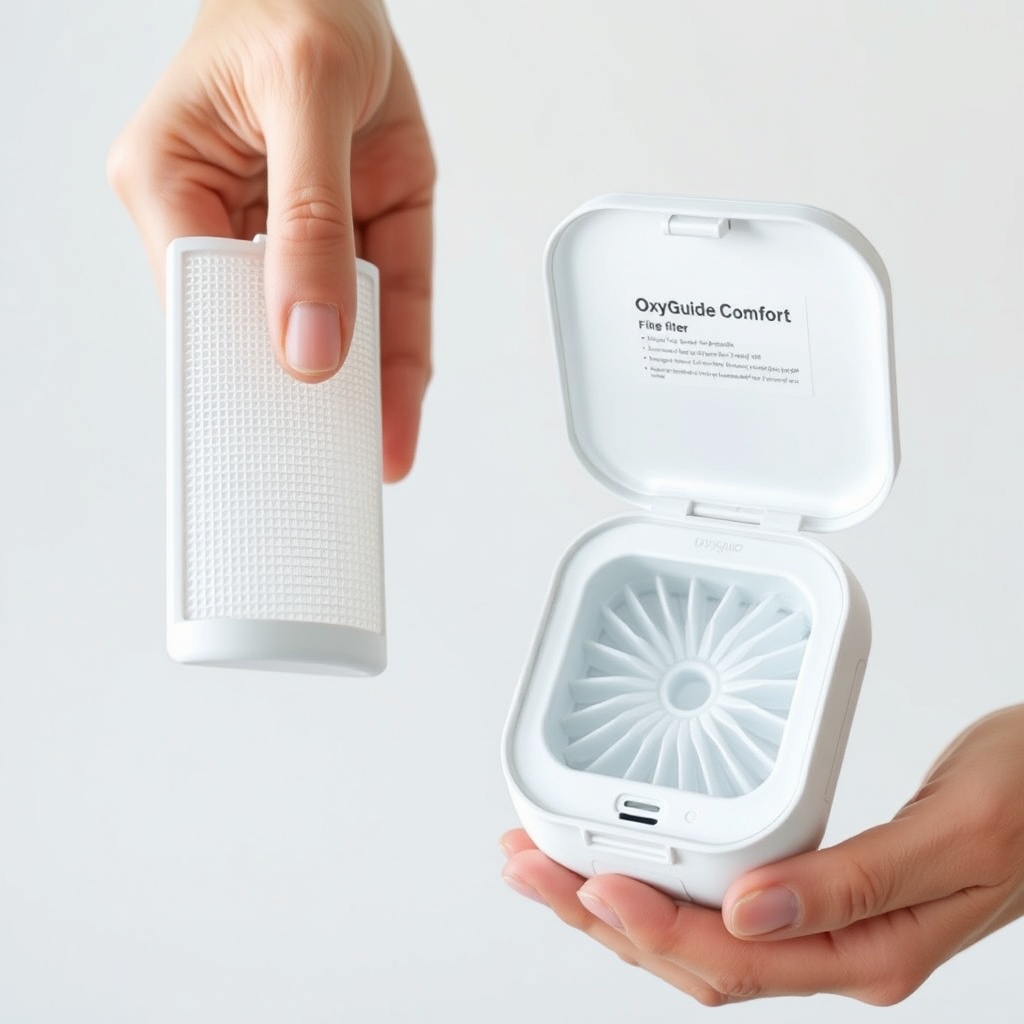
How Do I Clean or Replace the Air Intake Filter to Stop Alarms?
A clogged air intake filter is one of the most common causes of low oxygen alarms on the OxyGuide Comfort. The device requires a steady flow of clean air to concentrate oxygen; when airflow is restricted, purity drops. Symptoms include intermittent alarms that stop when you move the device to a cleaner environment.
To clean the filter:
- Locate the filter cover on the back or side of the unit (typically a rectangular or circular panel).
- Press the tab to open the cover and remove the foam or mesh filter.
- Gently rinse the filter under lukewarm running water. Do not use soap or cleaning agents.
- Gently squeeze out excess water—do not wring or twist the filter, as this can damage it.
- Allow the filter to air dry completely (4-6 hours). Do not reinsert while still wet.
- If the filter appears frayed, torn, or heavily stained, replace it with a new one (available from your supplier for approximately £12.99 per pack of three).
After replacing the filter, run the device for 15 minutes and monitor the alarm status. Many users resolve this issue with regular weekly cleaning.
Could a Failing Sieve Bed Be Causing Persistent Low Oxygen Alarms?
The sieve bed is the component that separates oxygen from nitrogen using a material called zeolite. Over time, the zeolite becomes contaminated or physically degrades, leading to reduced oxygen purity. This is a known issue on the OxyGuide Comfort when the unit has logged over 5,000-7,000 hours of operation. Signs include constant low oxygen alarms even after filter cleaning, increased power draw, and failure to reach proper flow rates during OxyGuide Comfort Oxygen Conservation Efficiency: Pulse Dose vs Continuous Flow testing.
Unfortunately, sieve bed replacement is not a user-serviceable task. If you suspect this is the cause:
- Contact the manufacturer or an authorized service center. A replacement sieve bed typically costs £250-£350 including labor.
- Check your warranty status. Many OxyGuide Comfort units come with a 3-year warranty covering sieve beds, but only if the device hasn’t been tampered with.
- Consider a diagnostic test. Some service centers offer a £49 flat fee to test purity levels and confirm sieve bed failure.
Caution: Do not attempt to open the sieve bed housing yourself, as this voids the warranty and may introduce contaminants.
How Does Power Supply Affect Low Oxygen Alarms on the OxyGuide Comfort?
Low or unstable power can cause the OxyGuide Comfort’s oxygen concentration process to malfunction, triggering alarms. This is particularly true when the device is running on battery power or a substandard DC adapter. For a full understanding of power-related issues, read OxyGuide Comfort No Power: Troubleshooting Guide.
| Cause | Symptoms | Severity | Typical Fix | Cost (GBP) |
|---|---|---|---|---|
| Low battery voltage (>30% but falling) | Alarm only on battery, intermittent | Low | Charge battery fully or use AC adapter | Free |
| Battery deeply discharged not holding charge | Alarm immediately when unplugged | Medium | Replace battery (£149-£199) | £149-£199 |
| Faulty AC adapter or power cord | Alarm on all power sources, unit flickers | High | Replace adapter (£39.99) | £39.99 |
| Internal power board failure | Alarm constant, no display response | Critical | Professional repair (£299-£399) | £299-£399 |
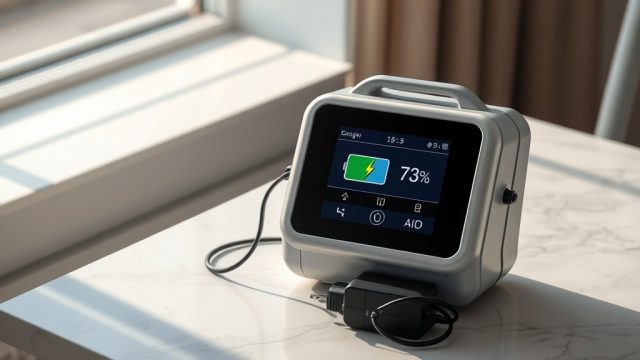
If using the battery, ensure it is fully charged. A battery that is below 20% charge may not provide enough voltage to run the compressor and sieve bed cycle properly. For more on battery performance, see our article on OxyGuide Comfort Battery Drain Issues: Common Causes and Fixes.
What Do OxyGuide Comfort Owners Say About Low Oxygen Alarms?
Based on feedback from online forums and product reviews, common themes emerge. Many users report that diligent filter maintenance eliminates most low oxygen alarms. One user on the Portable Oxygen Forum wrote: “I had the low O2 alarm going off every 20 minutes for two days. I changed the filter and the problem went away completely. It’s amazing how much dust the filter catches.”
Several owners noted that running the device on battery power in cold environments (below 10°C) frequently triggers false alarms. The OxyGuide Comfort is rated for operation down to 0°C, but low temperatures reduce battery efficiency. Users recommend pre-warming the battery to room temperature before use. Another frequent comment was about the battery drain warning appearing simultaneously with oxygen purity alarms, confirming a link addressed in OxyGuide Comfort Battery Drain Issues: Common Causes and Fixes.
However, some users experienced persistent issues even after professional servicing. One review stated: “After 2,200 hours, the low oxygen alarm became a daily occurrence. The service center replaced the sieve bed and the device has been perfect for another 1,000 hours.” For travel considerations, be aware that TSA and airline staff may need to verify your device’s alarm system; this is covered in OxyGuide Comfort FAA Approval: What You Need to Know for Flying.
Frequently Asked Questions
Q: What does the low oxygen alarm sound like on the OxyGuide Comfort?
A: The alarm is a steady beep (approximately 80 dB) accompanied by a flashing red “O2 Low” indicator on the display. It will continue until the condition is resolved or the unit is turned off.
Q: Can I turn off the low oxygen alarm temporarily?
A: No, the alarm cannot be disabled for safety reasons. However, pressing the “Silence” button will mute it for 120 seconds while you troubleshoot.
Q: How often should I clean the filter to prevent low oxygen alarms?
A: Clean the filter every two weeks under normal use. If you live in a dusty or pet-filled environment, clean it weekly. Always inspect the filter before each use.
Q: Will a low oxygen alarm damage my OxyGuide Comfort?
A: No, the alarm itself does not cause damage, but ignoring it can lead to inadequate oxygen therapy. Continued operation under low purity may strain the compressor over time.
Q: How much does a full service cost to fix repeated low oxygen alarms?
A: Standard service fees range from £99 to £199 for diagnosis and minor repairs. Major repairs including sieve bed replacement can cost £399-£499. Many service centers offer free estimates.
Q: Is the OxyGuide Comfort covered under warranty for oxygen purity issues?
A: Yes, the standard 3-year warranty covers defects that cause purity below 87%. However, it does not cover damage from neglect, improper cleaning, or unauthorized repairs. Check your warranty card for details.