OxyGuide Comfort Pressure Valve Issues: Diagnosis and Fixes
When your OxyGuide Comfort portable oxygen concentrator develops pressure valve problems, it can disrupt oxygen delivery and cause safety concerns. This guide covers common valve symptoms, diagnostic steps, and practical fixes to restore reliable operation. From hissing sounds to intermittent flow, understanding the root cause saves time and money on repairs.
What Causes the Pressure Relief Valve to Open Unexpectedly?
The pressure relief valve on the OxyGuide Comfort serves as a safety mechanism, opening when internal pressure exceeds safe operating limits. If you hear a sudden burst of air or notice continuous hissing during normal use, the valve may be opening prematurely. Common triggers include:
- Blocked or kinked nasal cannula tubing
- Internal compressor overpressurization due to altitude changes
- Worn valve spring that opens at lower-than-specified pressure (typically around 10-12 PSI)
- Debris or moisture accumulation in the valve seat
To diagnose, first inspect all tubing for obstructions and ensure the cannula is not folded under the device. If the problem persists, the valve itself may require replacement. For detailed battery-related troubleshooting, see our OxyGuide Comfort Battery Drain While Charging: Causes and Fixes guide, as electrical issues can sometimes mimic pressure problems.
How Can You Diagnose a Stuck Open or Stuck Closed Valve?
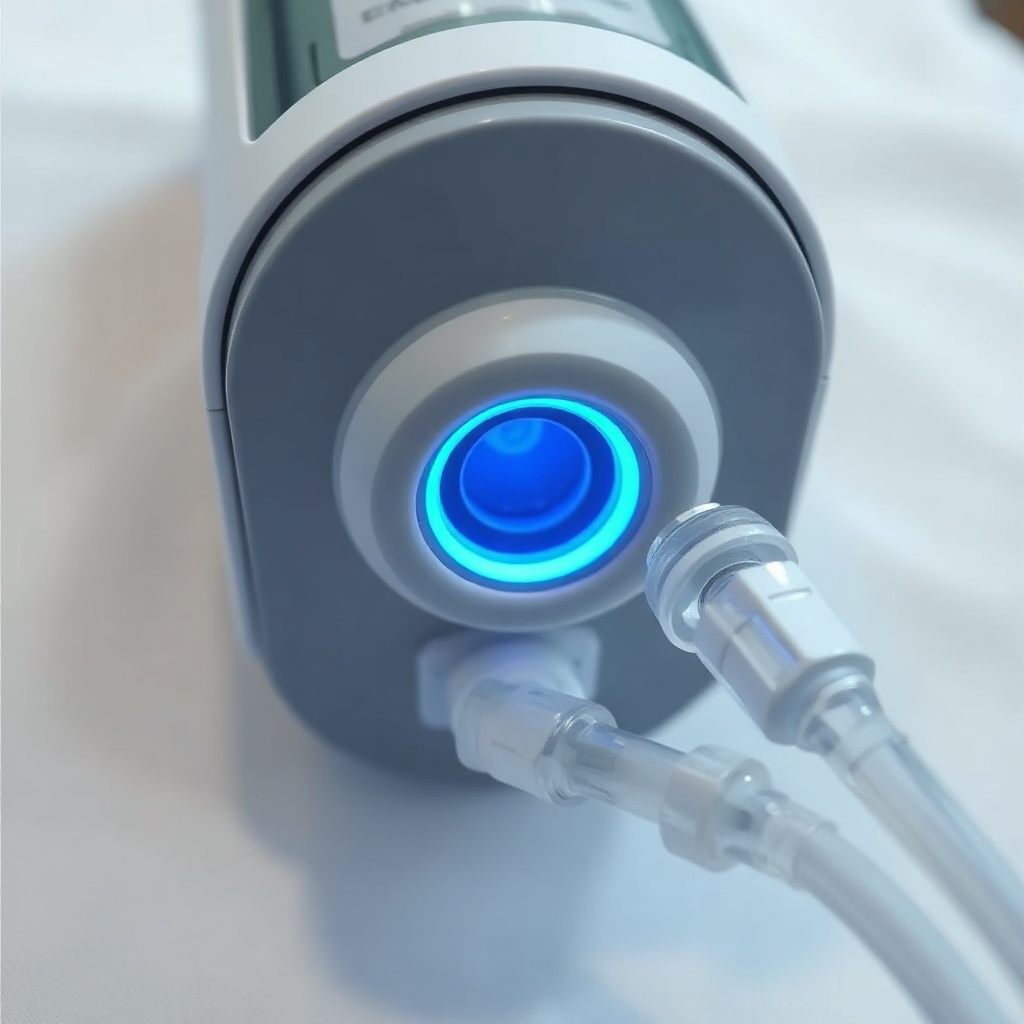
A stuck-open valve will cause continuous gas escape, reducing oxygen delivery and potentially leading to low-output alarms. A stuck-closed valve increases internal pressure, which may trigger emergency shutdowns. Follow this diagnostic procedure:
- Power off the device and disconnect from mains power.
- Remove the battery (refer to OxyGuide Comfort Battery Replacement Guide: Step-by-Step Instructions for proper removal).
- Locate the pressure relief valve on the compressor manifold (usually marked with a red or orange ring).
- Using a digital manometer, check the cracking pressure: it should open between 10-12 PSI and reseat at 8-10 PSI.
- If the valve fails these tests, replacement is typically needed.
Table: Severity of Pressure Valve Issues
| Issue | Symptom | Severity Level | Typical Fix |
|---|---|---|---|
| Valve stuck open | Continuous hissing, low O2 output | High – urgent | Replace pressure relief valve ($45-70) |
| Valve stuck closed | Overpressure shutdown, alarm codes | Critical – stop use | Replace valve + check compressor seals |
| Valve leaks at seat | Intermittent hissing | Moderate | Clean valve seat, replace if worn |
| Valve spring weakened | Opens at low pressure | Moderate | Replace complete valve assembly |
Can Cleaning the Pressure Valve Resolve Issues?
In some cases, a dirty valve seat or debris in the spring mechanism can cause intermittent failures. Cleaning is a first-step fix that may avoid replacement costs. Use compressed air (below 20 PSI) to blow out dust from the valve exterior. For internal cleaning, only remove the valve if you are comfortable with disassembly—otherwise, consult a technician. If after cleaning the valve still sticks, the rubber seal may be swollen or cracked, requiring replacement.
Note that cleaning does not fix mechanical wear: if the spring has lost tension, the valve will not reseat properly. When combined with battery issues, pressure problems can worsen—read more about that in OxyGuide Comfort Battery Drain While Charging: Causes and Fixes.
What Tools Are Needed for Valve Replacement?
Replacing the pressure relief valve on the OxyGuide Comfort requires basic tools and a replacement part (OxyGuide Comfort pressure valve kit, approximately £30-50 in UK pricing, or $38-64 USD). Tools include:
- Small flathead screwdriver (for prying clips)
- T10 Torx screwdriver (to access compressor housing)
- Needle-nose pliers (for hose clamp removal)
- Digital manometer (for post-replacement calibration check)
- Replacement valve compatible with OxyGuide Comfort (part number OGC-PRV-101)
Always power down and disconnect the battery before proceeding. If your device is under warranty, consider professional service instead of DIY replacement—improper installation can void coverage. For cost comparisons on battery replacement, check OxyGuide Comfort Battery Replacement: Cost and Options.
How Do Pressure Valve Problems Affect Oxygen Delivery During Exercise?
When using your OxyGuide Comfort during physical activity, pressure valve issues become especially noticeable. The device relies on consistent internal pressure to deliver pulse dose oxygen during inhalation. A failing valve can cause erratic flow, leading to low O2 saturation. For optimal performance, ensure your flow settings match activity level—see our OxyGuide Comfort Flow Settings for Exercise: Optimal Pulse Dose Adjustments guide for proper adjustments.
If you notice the device working harder, making unusual sounds, or delivering inconsistent oxygen during exercise, check the pressure valve first. Clean or replace it before resuming activity. Additionally, verify that the cannula is not dislodged—common during movement. Compare noise levels with a healthy unit using OxyGuide Comfort vs Philips SimplyGo Mini: Noise Level Comparison to identify abnormal noise patterns.
What Owners Say About Pressure Valve Repairs
OxyGuide Comfort users have shared mixed experiences regarding pressure valve issues. Many praise the device’s reliability but note that valve problems can surface after 12-18 months of regular use. One user from Manchester reported: “The hissing started suddenly. I cleaned the valve with compressed air, but it didn’t help. Replacing the part cost about £45 and took 20 minutes—worth it.” Another owner from Seattle stated: “My valve stuck closed, and the device shut down completely. Diagnosing it was tricky; I thought it was the battery. After reading forums, I replaced the valve and it’s been fine for 6 months.”
Common owner tips include: regularly inspect the valve for dust (especially if used in dusty environments), avoid using the device near strong magnetic fields (which can affect valve springs), and keep spare valves on hand if traveling. Some owners suggest upgrading to a silicone-coated valve for longer life—though not OEM-approved, it reduces sticking in humid climates.
Frequently Asked Questions
Q1: Can I drive with a malfunctioning pressure valve?
A: No. A stuck-open valve reduces oxygen concentration, while a stuck-closed valve risks overpressure damage. Do not operate the device until fixed. For charging while on the road, see OxyGuide Comfort Car Charging: How to Power Your Device on the Road.
Q2: How long does a pressure valve typically last?
A: Most OxyGuide Comfort valves last 2-3 years under normal use. If used at high altitude (above 5,000 feet) or in dusty conditions, lifespan may shorten to 12-18 months.
Q3: Will a pressure valve problem trigger an error code?
A: Yes. Common codes include E05 (overpressure) and E07 (low pressure). Check your user manual for interpretation, as codes vary by firmware version.
Q4: Is it safe to bypass the pressure valve temporarily?
A: No. Bypassing the valve removes a critical safety feature. It could lead to compressor damage or oxygen delivery failure. Always replace the valve with a proper part.
Q5: How much does a replacement pressure valve cost in the UK?
A: Expect to pay between £35-60 for an OEM valve kit in the UK, plus £20-40 for professional installation if needed. DIY installation saves labor costs but voids warranty if done incorrectly.
Q6: Can moisture cause pressure valve issues?
A: Yes. Condensation from high-humidity use or accidental liquid spills can cause the valve to stick. Dry the unit thoroughly (24 hours) before using. If sticking persists, replace the valve—rubber seals may have swollen.