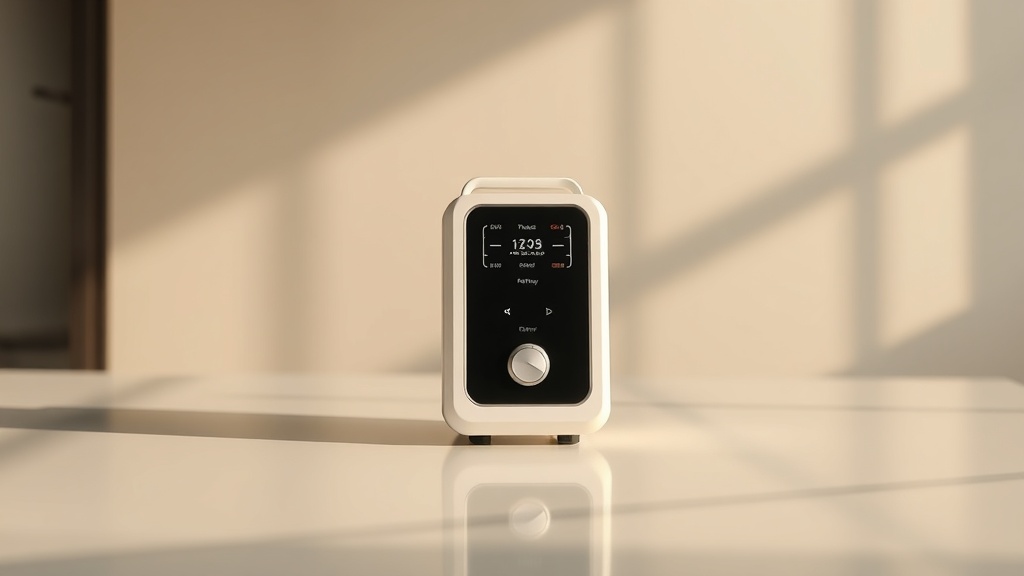
What Is the OxyGuide Comfort and Who Is It For?
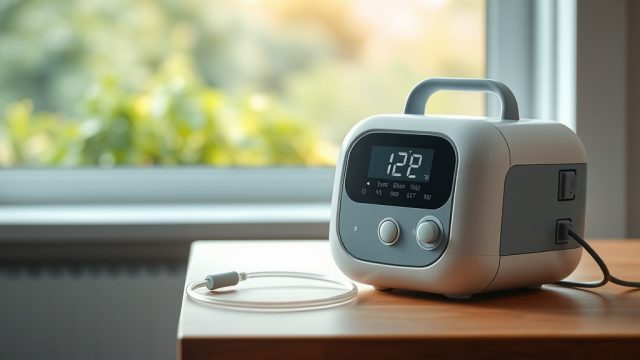
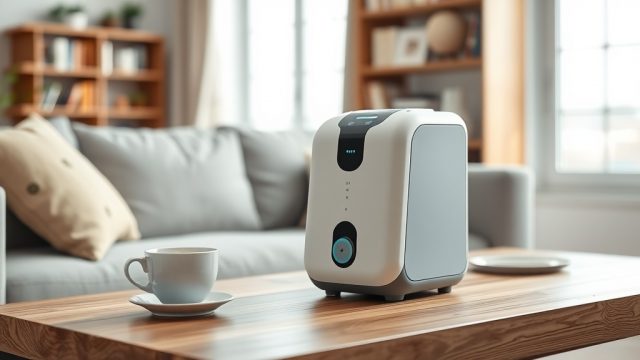
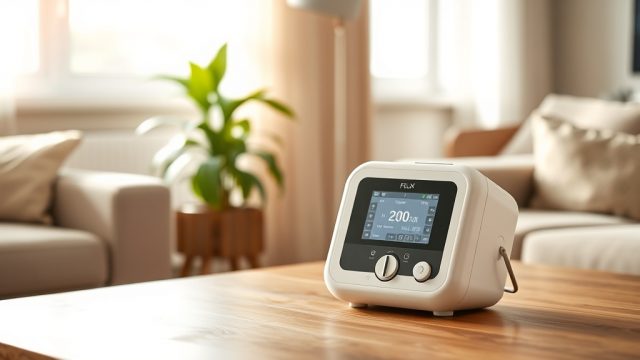
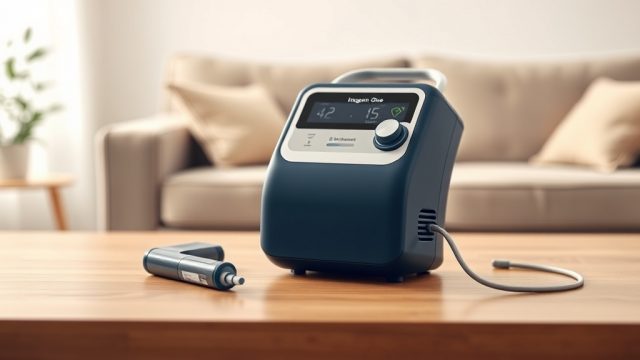
The OxyGuide Comfort is a portable oxygen concentrator (POC) designed for adults requiring supplemental oxygen during daily activities, travel, and sleep. It targets users who need reliable oxygen delivery in a lightweight, compact form factor—typically those with COPD, pulmonary fibrosis, or other chronic respiratory conditions. Unlike stationary concentrators, the OxyGuide Comfort allows freedom of movement, with a focus on balancing oxygen purity, battery runtime, and quiet operation. This buying guide helps you evaluate key features before investing in this device, covering settings, battery life, noise, and real-world owner feedback.
What Pulse Dose Settings Does the OxyGuide Comfort Offer, and How Do They Affect Oxygen Delivery?
The OxyGuide Comfort provides multiple pulse dose settings, typically ranging from 1 to 6 (low to high), delivering a bolus of oxygen only when you inhale. This conserves oxygen and extends battery life compared to continuous flow. Each setting adjusts the volume per breath—essential for matching oxygen needs during rest versus activity. For instance, setting 1 delivers approximately 0.5–1.0 L/min equivalent, while setting 6 delivers up to 3.0 L/min equivalent, per manufacturer specifications. Always consult your physician to determine your prescribed setting, as over- or under-delivery can affect saturation levels. For a deeper comparison of setting types, read OxyGuide Comfort Pulse Dose vs Continuous Flow: Which Setting to Choose?.
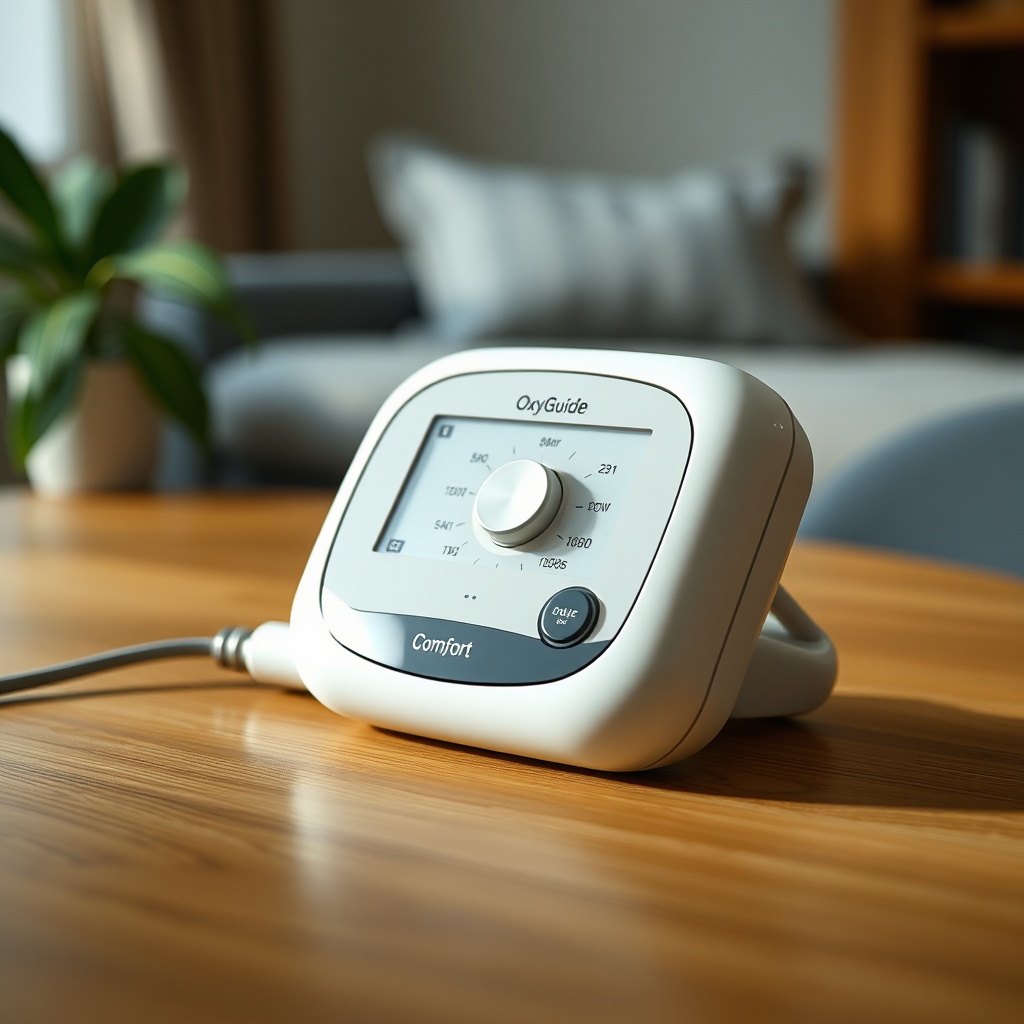
How Does the Battery Life Compare Across Different Usage Scenarios?
Battery performance varies by setting and activity. The OxyGuide Comfort includes a rechargeable lithium-ion battery pack. At the lowest pulse dose setting (setting 1), you can expect up to 8–10 hours of runtime for resting use. At higher settings (setting 4–6), runtime decreases to 2–4 hours. If you use continuous flow mode (if available on your model), battery life drops further, often to 1–2 hours. The table below summarizes typical runtime estimates based on dose setting and activity level. Note that real-world results depend on altitude, breathing patterns, and battery age.
| Pulse Dose Setting | Typical Runtime (hours) – Rest | Typical Runtime (hours) – Active/Walking |
|---|---|---|
| Setting 1 | 9–10 | 7–8 |
| Setting 3 | 6–7 | 4–5 |
| Setting 5 | 3–4 | 2–3 |
| Setting 6 | 2–3 | 1–2 |
For a direct comparison with another popular model, see OxyGuide Comfort vs Philips SimplyGo Mini: Battery Life Comparison.
Is the OxyGuide Comfort Noisy During Sleep or Daytime Use?
Noise level is a top concern, especially for overnight use. The OxyGuide Comfort operates at approximately 38–42 decibels (dB) on low pulse dose settings—roughly the level of a quiet library or gentle rainfall. On higher settings or during charging, it may reach 45–48 dB, comparable to a muffled conversation. Most owners report that the device is not disruptive during sleep when placed on a bedside table, though some note a faint humming sound. For detailed user experiences regarding nighttime noise, refer to OxyGuide Comfort Noise During Sleep: Does It Disturb Your Rest?. Additionally, a comparison with the Caire Freestyle Comfort can be found at OxyGuide Comfort vs Caire Freestyle Comfort: Noise Level Comparison.
What Are the Key Physical Specifications and Portability Features?
Portability matters for users on the go. The OxyGuide Comfort weighs approximately 4.5–5.0 lbs (2.0–2.3 kg) with one battery, making it one of the lighter POCs in its class. Dimensions are roughly 9.5 x 7.0 x 3.5 inches (24 x 18 x 9 cm). It comes with a carrying strap, telescoping handle, and optional backpack. The unit is FAA-approved for air travel, so you can use it on most commercial flights. Key portability features include a spill-proof battery connection, robust carry handle, and a compact design that fits under most airline seats. The device also supports DC adapters for in-car use and AC adapters for home charging.

What Does the OxyGuide Comfort Warranty Cover, and What Should You Know Before Buying?
Standard warranty for the OxyGuide Comfort includes 3 years on the concentrator unit and 1 year on the battery. Coverage typically includes manufacturing defects, compressor failures, and circuit board issues. Not covered: intentional damage, misuse, lost items, or consumables like nasal cannulas, filters, and tubing. Extended warranties may be available through retailers. Always check the fine print regarding service fees and return policies. For full details, refer to OxyGuide Comfort Warranty Coverage: What’s Included and What’s Not.
What Owners Say: Real User Feedback on the OxyGuide Comfort
Owners generally rate the OxyGuide Comfort highly for reliability and battery longevity. Positive reviews highlight the light weight, easy dial controls, and quiet operation during sleep. Many appreciate the simple interface without complex menus, making it suitable for seniors. Criticisms revolve around price (often $1,950–$2,500 USD / €1,800–€2,300 EUR / £1,600–£2,050 GBP) and limited continuous flow options on some models. Some users note that battery performance degrades after 12–18 months of heavy use. Overall, owners recommend it for moderate oxygen needs (pulse doses 1–4) but caution that high-flow users may prefer a dual-battery or continuous flow model.
Frequently Asked Questions
1. How much does the OxyGuide Comfort cost?
The unit typically ranges from $1,950 to $2,500 USD (€1,800–€2,300 EUR) including one battery and accessories. Prices vary by retailer, bundled items, and warranty extensions.
2. Is the OxyGuide Comfort FAA-approved for air travel?
Yes, it is FAA-approved for use on aircraft. You must inform the airline in advance and carry a medical certificate.
3. Can I use the OxyGuide Comfort while charging?
Yes, the device operates while plugged into AC or DC power, allowing simultaneous use and charging. However, battery life may be extended if you run on battery when unplugged.
4. What is the oxygen purity of the OxyGuide Comfort?
Manufacturer specifications indicate oxygen purity of 87%–96% depending on setting and altitude. Most home-use settings achieve 90% or above.
5. How often should I replace the filters?
The intake filter should be cleaned monthly and replaced every 3–6 months. The internal bacterial filter may need replacement annually, per manufacturer guidelines.
6. Does the OxyGuide Comfort come with a carrying bag?
It typically includes a shoulder carrying strap; some packages include a backpack or soft case. Check with your seller for exact contents.
For further reading, see the full OxyGuide Comfort Buying Guide: Key Features & What to Consider.