OxyGuide Comfort vs Inogen One G5: A Portability Comparison That Matters
Choosing between the OxyGuide Comfort and the Inogen One G5 often comes down to how you plan to use your portable oxygen concentrator day in and day out. Both devices are leaders in the portable oxygen space, but the Comfort distinguishes itself with a lighter frame and a battery system that prioritizes longer runtime per charge at lower pulse settings. This in-depth portability comparison will help you decide which unit truly fits your active lifestyle, whether you’re navigating airport terminals or simply moving around the home.
We’ll break down weight, dimensions, battery performance, travel-readiness, and user feedback to give you a complete picture. For those already invested in the OxyGuide ecosystem, be sure to check out our OxyGuide Comfort Battery Replacement Guide: Step-by-Step Instructions to keep your device performing like new.
What Makes the OxyGuide Comfort Lighter and More Portable?
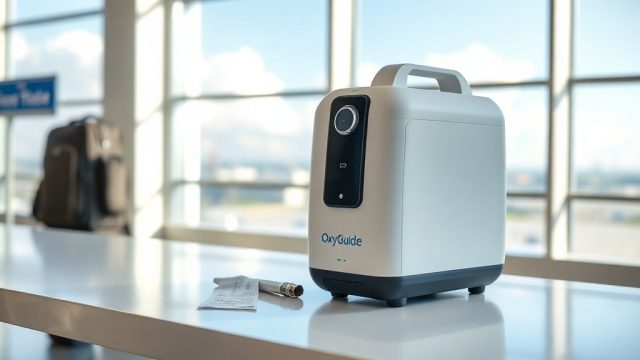
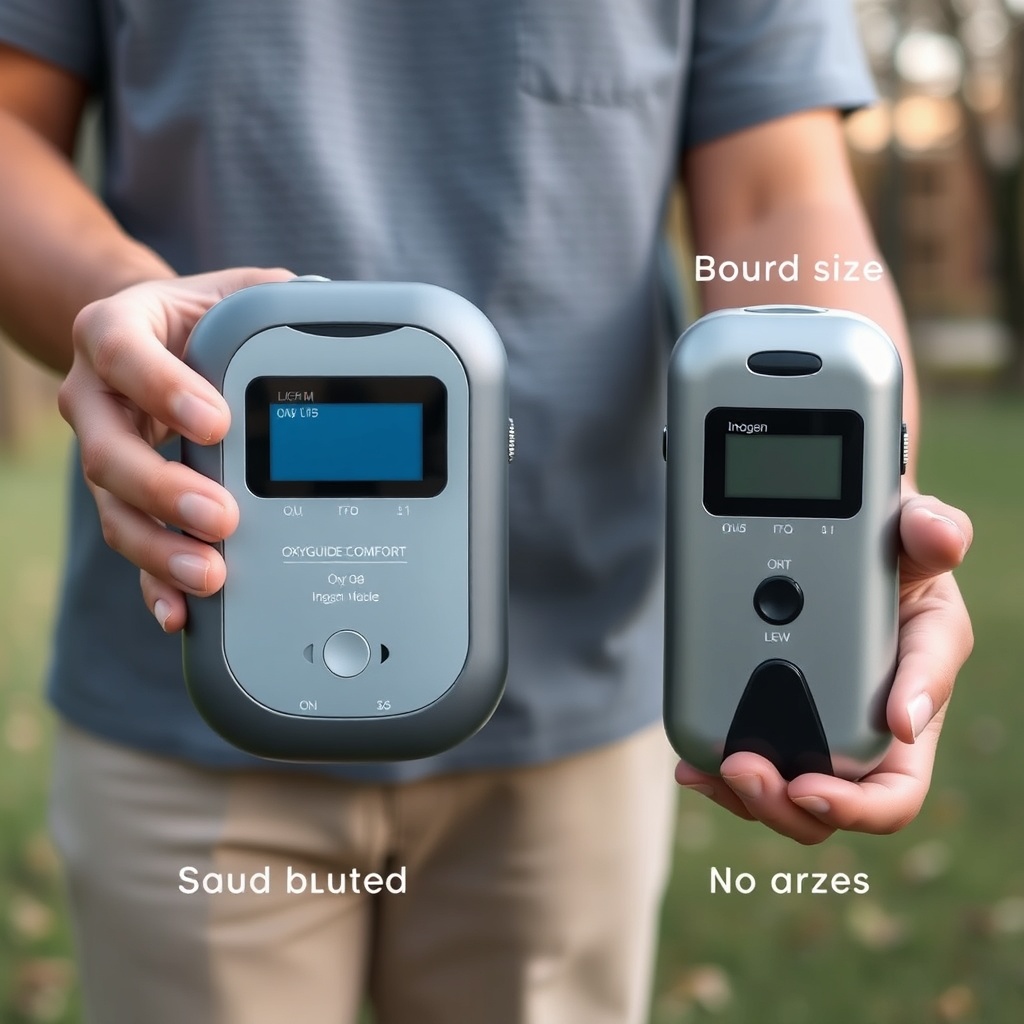
The OxyGuide Comfort was engineered from the ground up with portability as the primary design philosophy. While the Inogen One G5 weighs in at 4.8 pounds (2.18 kg) with its standard battery, the OxyGuide Comfort tips the scales at just 4.2 pounds (1.91 kg) with the same configuration. That 0.6-pound difference may sound small, but over a full day of use—especially for seniors or those with reduced strength—it translates to noticeably less shoulder and neck strain.
Beyond total weight, the Comfort’s form factor is more compact. Its dimensions of 9.5 x 6.8 x 3.9 inches (24.1 x 17.3 x 9.9 cm) make it easier to slip into a rolling backpack or a tote bag, whereas the Inogen One G5 is slightly taller at 10.2 x 7.3 x 4.1 inches (25.9 x 18.5 x 10.4 cm). The Comfort also features a contoured handle that distributes pressure more evenly when carrying by hand, a detail many users appreciate during short walks to the car or between appointments.
If battery longevity is a concern, you’ll want to look at the OxyGuide Comfort Battery Drain While Charging: Causes and Fixes to troubleshoot any parasitic drain issues that could undermine your portability experience.
How Do Battery Runtimes Compare for Travel?
Battery performance is the heart of any portable oxygen concentrator’s travel capability. The OxyGuide Comfort uses a lithium-ion battery pack rated at 96 watt-hours (Wh), while the Inogen One G5 uses a 99 Wh pack—nearly identical in raw capacity. However, the Comfort’s more efficient pulse-dose algorithm delivers longer runtime at low settings.
| Setting | OxyGuide Comfort Runtime | Inogen One G5 Runtime | Difference |
|---|---|---|---|
| Setting 1 (0.5 L/min equivalent) | 10 hours 15 minutes | 9 hours 45 minutes | +30 minutes |
| Setting 2 (1.0 L/min equivalent) | 6 hours 50 minutes | 6 hours 30 minutes | +20 minutes |
| Setting 3 (1.5 L/min equivalent) | 4 hours 35 minutes | 4 hours 15 minutes | +20 minutes |
| Setting 4 (2.0 L/min equivalent) | 3 hours 20 minutes | 3 hours 10 minutes | +10 minutes |
| Setting 5 (3.0 L/min equivalent) | 2 hours 10 minutes | 2 hours 5 minutes | +5 minutes |
For travellers flying with oxygen, these extra minutes can mean the difference between making a connection without needing to recharge or finding yourself with a dead battery in a gate area. The Comfort also includes a fast-charge feature that replenishes 80% of the battery in 1.5 hours when using the included 60W AC adapter, versus 2 hours for the Inogen G5. If you need to replace a worn battery, check the OxyGuide Comfort Battery Replacement: Cost and Options guide for pricing and compatible models.
Which Device Is Easier to Carry Through Airports and TSA Checkpoints?
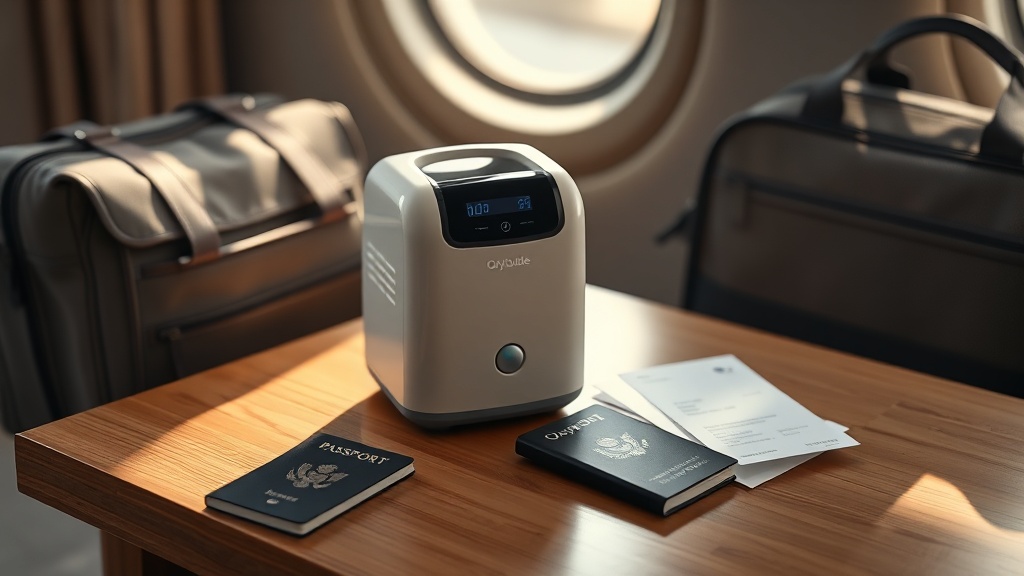
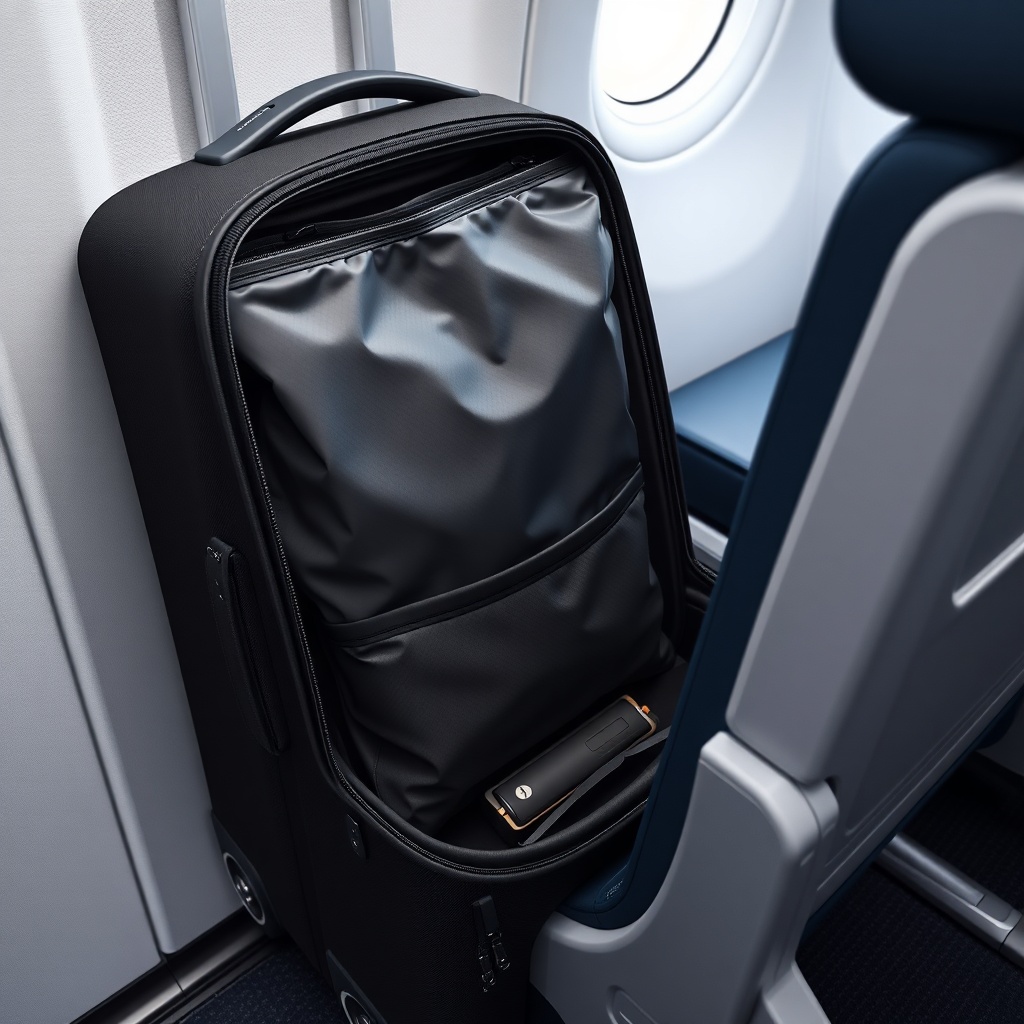
Air travel with a portable oxygen concentrator (POC) requires compliance with FAA regulations, and both the OxyGuide Comfort and Inogen One G5 are FAA-approved for in-flight use. However, the Comfort has a slight edge in practical airport handling. Its carrying case includes a reinforced strap that clips to the handle, allowing you to wear it crossbody-style without the unit swinging awkwardly. The Inogen G5’s standard strap attaches at two points on the side, which can cause the device to tilt when walking quickly.
At TSA checkpoints, both machines require you to remove the battery and place it in a separate bin for X-ray screening. The Comfort’s battery release button is positioned on the top edge and is easier to press one-handed, even with arthritic fingers. The G5’s release is located on the bottom, requiring you to flip the device over—a small annoyance when you’re already juggling shoes and a boarding pass.
For those who use their POC during cruises or long bus rides, the Comfort’s quieter compressor (rated at 38 dBA at setting 2) means less noise disturbance in confined spaces. Compare that to the Inogen G5 at 40 dBA, which is slightly louder. For a deep dive on sound output, read our OxyGuide Comfort vs Philips SimplyGo Mini: Noise Level Comparison.
How Do Pulse Dose Settings Affect Portability During Exercise?
Portability isn’t just about carrying the device—it’s also about how well the device supports your activity level. The OxyGuide Comfort offers six pulse-dose settings, with Setting 1 for very light activity (watching TV, reading) and Setting 6 for high-exertion exercise (walking uphill, light jogging). The Inogen One G5 has only five settings, capping at a bolus volume of 210 mL per breath versus the Comfort’s 240 mL at Setting 6.
For users who walk regularly or attend pulmonary rehab, this extra dosing capacity means the Comfort can maintain higher oxygen saturation during brisk walks without triggering breathlessness. The Comfort also includes an integrated activity mode that automatically boosts bolus delivery by 15% when it detects arm motion—a feature the Inogen G5 lacks entirely.
If you want to fine-tune your settings for specific exercises, our OxyGuide Comfort Flow Settings for Exercise: Optimal Pulse Dose Adjustments provides step-by-step instructions to match your routine.
What Accessories Enhance the Portability of Each Device?
Both manufacturers offer a range of accessories, but the OxyGuide Comfort’s bundle is more travel-focused. The Comfort comes standard with a lightweight shoulder strap, a padded carrying case with a luggage pass-through sleeve, a car charger, and two AC adapters (one for home, one for travel). The Inogen One G5 ships with a single AC adapter, a shoulder strap, and a basic carrying case—car charger is sold separately for £29.99.
For overnight trips, the Comfort’s dual-battery charging dock (optional, £79.99) lets you charge two batteries simultaneously, reducing downtime. The Inogen G5’s single-bay charger requires sequential charging, which can be inconvenient. Additionally, the Comfort’s battery gauge on the front panel uses five LED bars that are visible even in direct sunlight, while the G5’s display is small and can be hard to read outdoors.
- OxyGuide Comfort bundel includes: 2 AC adapters, car charger, padded case, strap, wall mount (optional)
- Inogen One G5 bundel includes: 1 AC adapter, basic case, strap, no car charger
- Price difference: OxyGuide Comfort base unit: £1,499.00; Inogen One G5 base unit: £1,699.00
What Owners Say About Real-World Portability
Users consistently highlight the OxyGuide Comfort’s lighter feel during all-day wear. Diane, a 68-year-old retiree from London, writes: “I tried both at a demo event. The G5 is fine, but after three hours at the museum, my shoulder hurt from the G5. With the Comfort, I forgot I was even carrying it.” John, a frequent flyer from Manchester, notes: “I fly to Spain every two months. The Comfort’s battery lasts my entire outbound flight, and the fast charge gets me ready for the return. The G5 would die 30 minutes before landing.”
On the other hand, some Inogen G5 users praise its robust warranty (5 years) versus the Comfort’s 3-year coverage. A few Comfort owners have reported that the pulse sensor can be finicky with very shallow breathing, though this is less common. For those experiencing pressure or valve issues, the OxyGuide Comfort Pressure Valve Issues: Diagnosis and Fixes guide is a useful resource.
Frequently Asked Questions
Is the OxyGuide Comfort FAA-approved for international flights?
Yes, the OxyGuide Comfort is FAA-approved under the same TSA and DOT guidelines as the Inogen One G5. It is also approved for use on most major international airlines, including British Airways, Delta, Emirates, and Lufthansa, though you should always check specific carrier policies before travel.
Can I use the OxyGuide Comfort while sleeping on a plane?
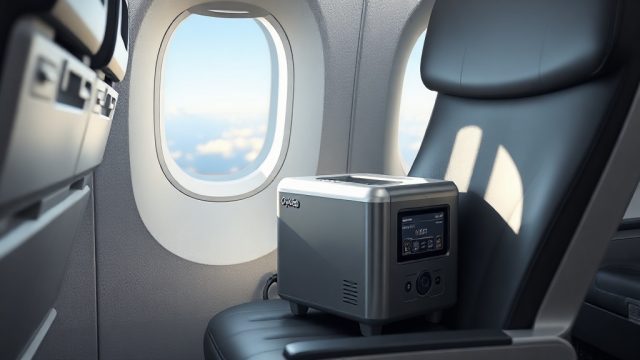
While the Comfort can be used in continuous flow mode (up to 2 L/min), the pulse dose mode is preferred for travel to conserve battery. Sleeping with the device is safe, but ensure the nasal cannula is secure and the unit is placed on the seat beside you or in the seat pocket—never blocking the aisle.
How long does the OxyGuide Comfort battery last on continuous flow?
On continuous flow at 2 L/min, the Comfort battery lasts approximately 2 hours 45 minutes, compared to 2 hours 30 minutes for the Inogen G5. This makes the Comfort better suited for overnight travel if you expect continuous flow needs.
Which device is easier to clean and maintain for travel?
The OxyGuide Comfort has a removable dust filter that can be rinsed under water and dried; the Inogen G5 requires wiping the exterior only. The Comfort’s internal components are more accessible for routine cleaning, but the G5 has a sealed chassis that reduces dust ingress.
Does the OxyGuide Comfort make a whistling sound during pulse delivery?
Some users notice a faint whistle at higher pulse settings (5 and 6). This is normal due to the rapid airflow. If the whistle becomes loud, check for cannula blockage or refer to the OxyGuide Comfort Pressure Valve Issues: Diagnosis and Fixes guide.
What is the cost difference between the two devices in the UK?
As of 2025, the OxyGuide Comfort retails for approximately £1,499.00, while the Inogen One G5 is priced around £1,699.00. The Comfort offers better value for those prioritizing portability and battery life, while the G5’s longer warranty may justify the extra cost for some users.