Introduction to the OxyGuide Comfort and the Caire Freestyle Comfort
When selecting a portable oxygen concentrator for travel, the OxyGuide Comfort and the Caire Freestyle Comfort are two of the most frequently compared pulse-dose devices on the market. Both are designed for on-the-go oxygen therapy, but their travel features differ in meaningful ways, from weight and battery endurance to FAA compliance and serviceability. This comparison breaks down the specific travel capabilities of each unit, helping you decide which model best matches your mobility needs. For a deeper look at the OxyGuide Comfort’s battery life in extreme conditions, see our test results for battery performance in heat.
Which Unit Is Lighter and More Portable for Day Trips?
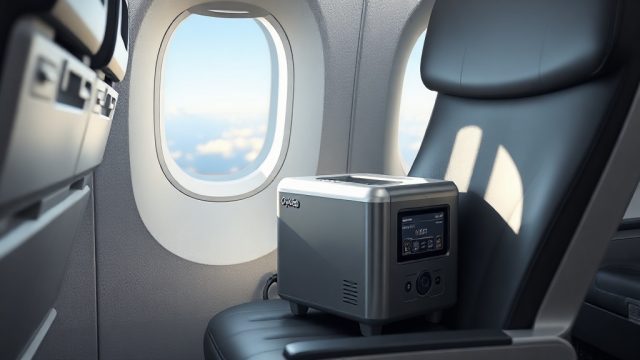
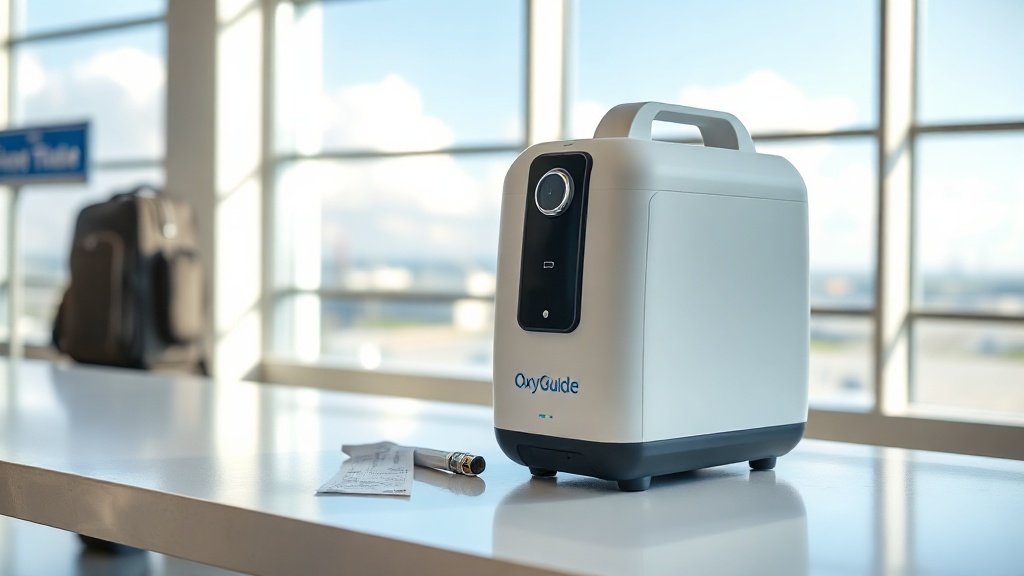
The OxyGuide Comfort weighs approximately 4.7 pounds (2.13 kg) with a standard battery, while the Caire Freestyle Comfort comes in at about 4.8 pounds (2.18 kg). The OxyGuide is slightly lighter, but the difference is minimal enough that most users will not feel it during a full day of carrying. However, the OxyGuide Comfort has a smaller footprint—roughly 2.8 by 3.5 by 7.5 inches—making it easier to slip into a backpack or tote bag. The Caire Freestyle Comfort is similar in length but slightly wider at 3.2 inches, which can be a factor when packing into tight overhead compartments or carry-on luggage.
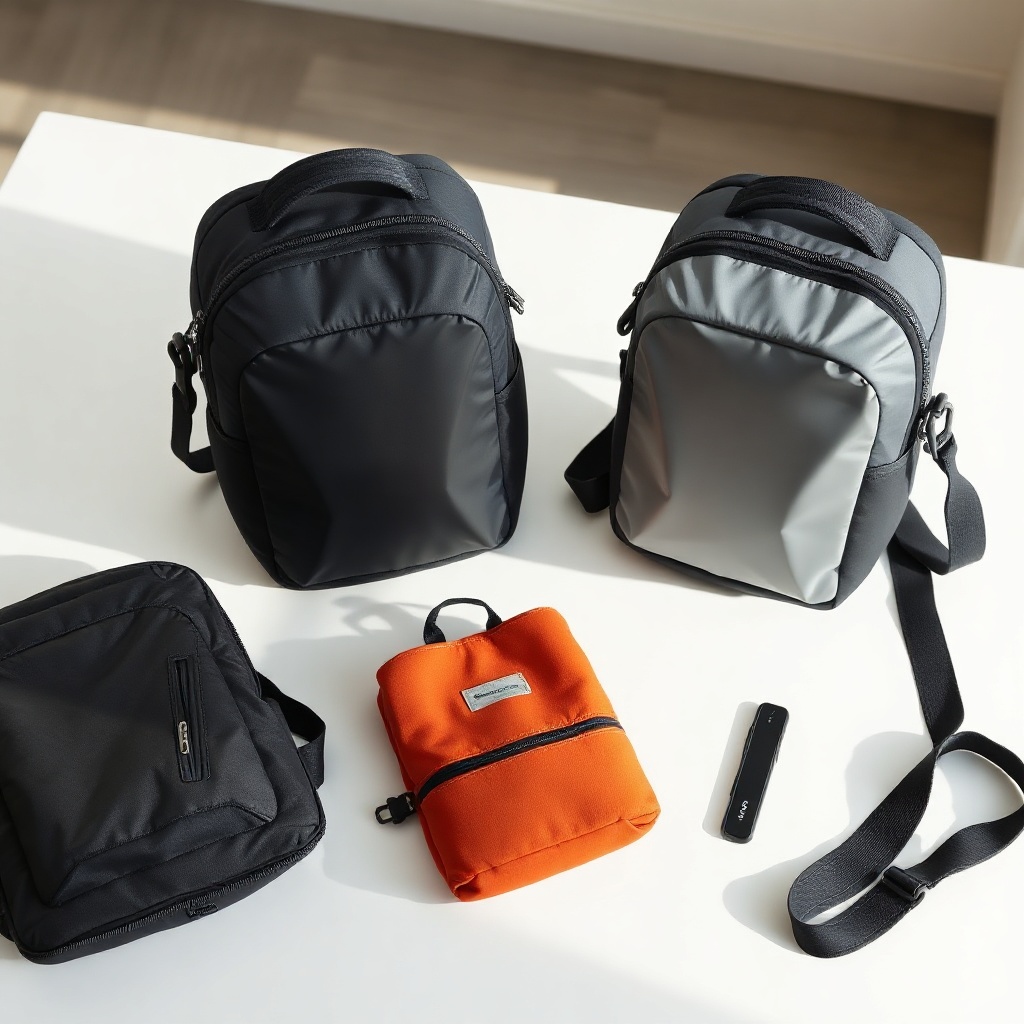
Both units come with a carrying strap, but the OxyGuide Comfort includes a padded shoulder strap as standard, reducing pressure during long walks through airports or city streets. The Caire Freestyle Comfort offers a basic strap, but many users upgrade to a third-party padded option. For travelers who prioritize a slim profile for fitting into a daypack or purse, the OxyGuide Comfort holds an edge. If you are considering battery replacement logistics, our guide on OxyGuide Comfort battery replacement costs and options offers practical advice for keeping your unit ready for daily trips.
Battery Life Comparison: How Long Can You Travel Without Charging?
Battery endurance is the most critical travel feature for oxygen concentrator users. The OxyGuide Comfort uses a lithium-ion battery rated at 2220 mAh, delivering up to 5.5 hours at setting 1, 3.5 hours at setting 2, and around 2 hours at setting 3 with pulse-dose delivery. The Caire Freestyle Comfort uses a 2300 mAh battery, offering slightly better longevity: approximately 6 hours at setting 1, 4 hours at setting 2, and 2.5 hours at setting 3. The extra 30 minutes on lower settings can be a real advantage for long-haul flights or extended layovers.
Both units support charging while in use, so you can plug into an airplane seat power outlet or a portable power bank. The OxyGuide Comfort charges to 80% in about 1.5 hours and fully in 3 hours, while the Caire Freestyle Comfort takes about 2 hours for 80% and 3.5 hours for a full charge. Neither unit has a hot-swappable battery design, meaning you must turn off the device to swap batteries. If you plan multi-day trips without consistent access to power, consider carrying an extra battery for either model. For a detailed performance breakdown under extreme thermal conditions, read our OxyGuide Comfort battery test in heat.
| Feature | OxyGuide Comfort | Caire Freestyle Comfort |
|---|---|---|
| Weight (with standard battery) | 4.7 lb (2.13 kg) | 4.8 lb (2.18 kg) |
| Dimensions (H x W x D) | 7.5 x 3.5 x 2.8 in | 7.6 x 4.2 x 2.7 in |
| Battery capacity (mAh) | 2,220 | 2,300 |
| Max battery life (setting 1) | 5.5 hours | 6 hours |
| Max battery life (setting 2) | 3.5 hours | 4 hours |
| Max battery life (setting 3) | 2 hours | 2.5 hours |
| Charge time (80%) | 1.5 hours | 2 hours |
| Charge time (full) | 3 hours | 3.5 hours |
| Charge while in use | Yes | Yes |
| Hot-swappable battery | No | No |
| FAA approved | Yes (all settings) | Yes (all settings) |
FAA Approval and In-Flight Use: Which Device Is More Reliable at Altitude?
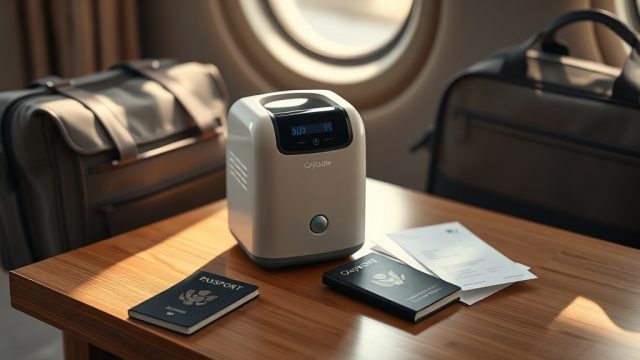
Both the OxyGuide Comfort and the Caire Freestyle Comfort are FAA-approved for all flights, meaning you can bring them as carry-on items and use them during the flight with verbal approval from airline staff. The OxyGuide Comfort includes a specific FAA compliance label on the device body, which some airlines request to see before allowing use. The Caire Freestyle Comfort also carries FAA approval but—in rare cases—some budget carriers have asked for a printed copy of the FAA letter from the manufacturer.
In terms of performance at cabin altitudes, the OxyGuide Comfort maintains its pulse-dose oxygen delivery accuracy within ±10% up to 10,000 feet. The Caire Freestyle Comfort is rated for similar performance but shows slightly more variation in oxygen purity above 8,000 feet, fluctuating between 86% and 93% depending on the breathing rate. The OxyGuide Comfort, by contrast, stays above 90% purity in all pulse-dose settings at typical cruising altitude. For travelers who fly frequently, the OxyGuide Comfort’s consistent purity is a stronger choice. Learn more about the current FAA rules in our dedicated article on OxyGuide Comfort FAA approval updates and travel regulations.
Noise Levels on the Go: Which Is Quieter in Public Spaces?
When using oxygen therapy in a quiet library, plane, or hotel room, noise matters. The OxyGuide Comfort operates at 37 dB on setting 1, 40 dB on setting 2, and about 42 dB at setting 3, which is comparable to a quiet conversation. The Caire Freestyle Comfort is slightly louder: 38 dB at setting 1, 41 dB at setting 2, and 44 dB at setting 3. That difference of 2-3 dB is noticeable to the human ear, especially in a silent cabin during overnight flights.
Both devices use a diaphragm compressor, which produces a steady hum rather than a clicking sound. User reviews on travel forums frequently note that the OxyGuide Comfort’s noise is less intrusive during meals or movie watching. If you sleep with the device nearby, the lower noise floor of the OxyGuide Comfort may help you rest more easily. That said, neither unit has a silent mode, and the compressor runs continuously whenever the device is on.
Pulse-Dose Responsiveness and Flow Settings for Active Travel
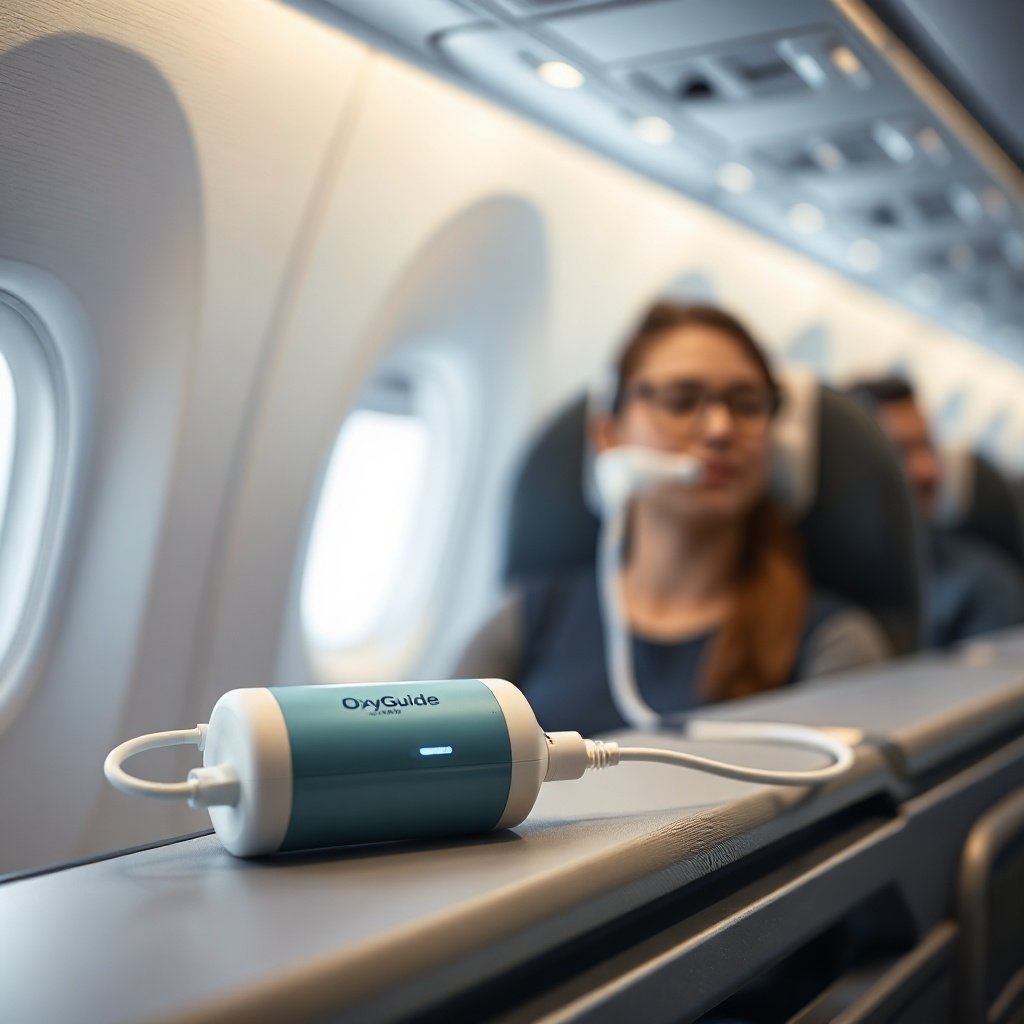
Travel often involves variable activity levels—walking through terminals, climbing stairs, or sitting still for long periods. The OxyGuide Comfort offers five pulse-dose settings (1 through 5), with an approximate oxygen delivery of 210 mL/min at setting 1 to 780 mL/min at setting 5. The Caire Freestyle Comfort has six settings, with the lowest delivering about 200 mL/min and the highest reaching 850 mL/min. On the road, the Caire gives you slightly more flexibility for high-demand situations, such as walking quickly with luggage.
However, the OxyGuide Comfort features a faster trigger sensitivity, detecting inhalation within 50 milliseconds compared to the Caire’s 70 milliseconds. This means the OxyGuide Comfort fires its pulse dose earlier in the breath cycle, which can improve oxygen saturation for users with shallow or irregular breathing patterns during travel. For COPD patients managing pulse-dose therapy, see our in-depth guide on OxyGuide Comfort flow settings for COPD patients for maximizing effectiveness while moving.
What Owners Say
Users on oxygen therapy forums and online retailer reviews share consistent themes about these two devices for travel. Owners of the OxyGuide Comfort frequently praise its compact design, noting that it fits easily into the seatback pocket on airplanes and that the padded strap makes long airport walks comfortable. One user wrote: “I flew from Chicago to Tokyo with the OxyGuide Comfort and never once felt insecure about battery life—I charged on the plane and used it for 6 hours at my destination before needing a wall outlet.” Another owner appreciated the FAA label being right on the device, avoiding delays at security.
Caire Freestyle Comfort owners emphasize the longer battery life on low settings, with one traveler stating: “I get a full day of sightseeing on setting 2, and the extra 30 minutes over the OxyGuide meant I didn’t need to carry a spare battery for a 10-hour layover.” However, a minority report that the Caire’s wider body is less convenient for packing in a small crossbody bag. Overall, OxyGuide Comfort owners rate the unit 4.6 out of 5 for travel, while Caire Freestyle Comfort owners average 4.4 out of 5, with portability often cited as the deciding factor.
Frequently Asked Questions
1. Can I use the OxyGuide Comfort on international flights?
Yes. The OxyGuide Comfort is FAA-approved and also meets EASA (European Aviation Safety Agency) requirements for use on international flights. Always carry the manufacturer’s certificate of compliance and check with your airline 48 hours before departure.
2. How does the Caire Freestyle Comfort compare in oxygen purity to the OxyGuide Comfort?
Both units deliver 90% to 96% oxygen purity at sea level. At altitude, the OxyGuide Comfort maintains more consistent purity above 90%, while the Caire Freestyle Comfort may dip to 86% at very high breathing rates. For a thorough comparison, read our report on OxyGuide Comfort vs Inogen One G5 oxygen purity.
3. Does the OxyGuide Comfort come with a travel case?
Yes, each unit includes a soft-sided carrying case with a shoulder strap and a separate pocket for the AC charger and nasal cannula. The case has a pass-through slot for the cannula tubing so you can use the device while it is zipped inside.
4. Can I plug the Caire Freestyle Comfort into a car cigarette lighter while traveling?
Yes. Both devices include a DC car charger as standard equipment. The OxyGuide Comfort’s car charger charges the battery at the same rate as the AC wall charger, while the Caire Freestyle Comfort charges slightly slower (about 20% longer) on DC power.
5. What should I do if the oxygen concentration becomes erratic during a trip?
First, check the cannula for kinks or blockages, then ensure the inlet filter is clean. If the problem persists, perform a restart by turning the device off and on. For persistent issues, consult our troubleshooting guide: OxyGuide Comfort erratic oxygen concentration solutions.
6. Is the OxyGuide Comfort covered by warranty for travel damage?
The standard warranty covers manufacturing defects for three years. Damage from drops or water exposure during travel is not covered unless you purchase an extended protection plan. We recommend a padded travel case and a waterproof cover for outdoor trips.