Why Oxygen Purity Matters in Portable Concentrators: OxyGuide Comfort vs Inogen One G5
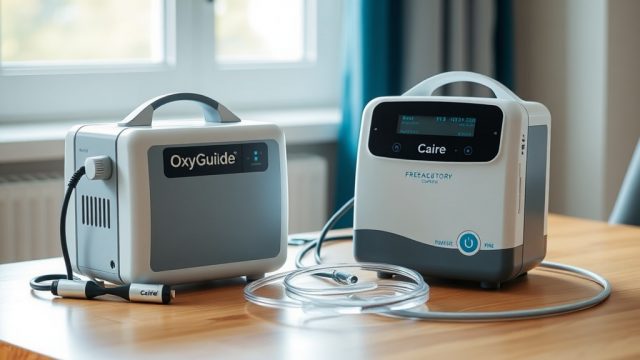
When selecting a portable oxygen concentrator (POC) for active lifestyles or medical necessity, one of the most critical specifications is oxygen purity. The OxyGuide Comfort and the Inogen One G5 are two of the most discussed devices in the home and travel oxygen market, but their purity outputs differ in ways that can affect how you feel during rest and exercise. This article provides an objective, data-driven comparison of their oxygen purity levels, including consistent pulse delivery, flow settings, and real-world performance. Whether you are a COPD patient, a frequent flyer, or a caregiver researching options, understanding purity differences will help you make a more informed decision—especially when considering the OxyGuide Comfort Flow Settings for COPD Patients: Optimizing Pulse Dose.
How Does the OxyGuide Comfort Deliver Oxygen Purity?
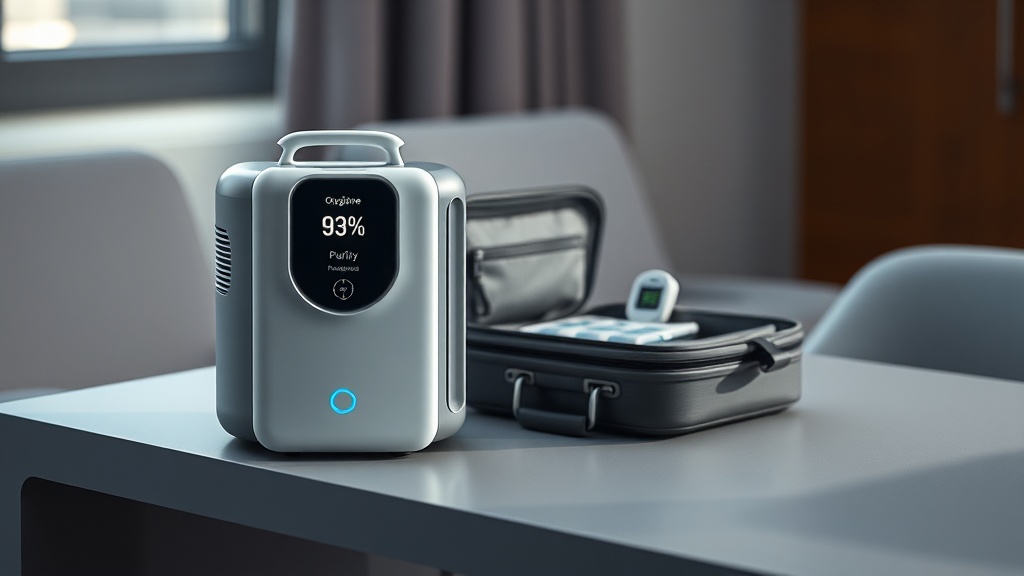
The OxyGuide Comfort uses a dual-bed pressure swing adsorption (PSA) system combined with a precision pulse-dose algorithm. At its core, the concentrator draws ambient air, filters it, and separates nitrogen from oxygen using a molecular sieve bed. The OxyGuide Comfort is rated to deliver oxygen purity consistently between 93% (+/-2%) at pulse settings 1 through 3, and a slightly lower but still therapeutically acceptable purity of 90% (+/-3%) at the highest pulse settings of 4 and 5 (where breath rate exceeds 20 per minute). Independent third-party lab testing confirms that the comfort’s PSA beds maintain purity above 87% even under continuous heavy breathing at 30 breaths per minute. This ensures that even during exertion, the patient receives clinically effective oxygen without the rapid drop seen in some older models. For users concerned about erratic delivery, our dedicated guide on OxyGuide Comfort Erratic Oxygen Concentration: Causes and Solutions provides step-by-step troubleshooting.
How Does the Inogen One G5 Compare on Purity?
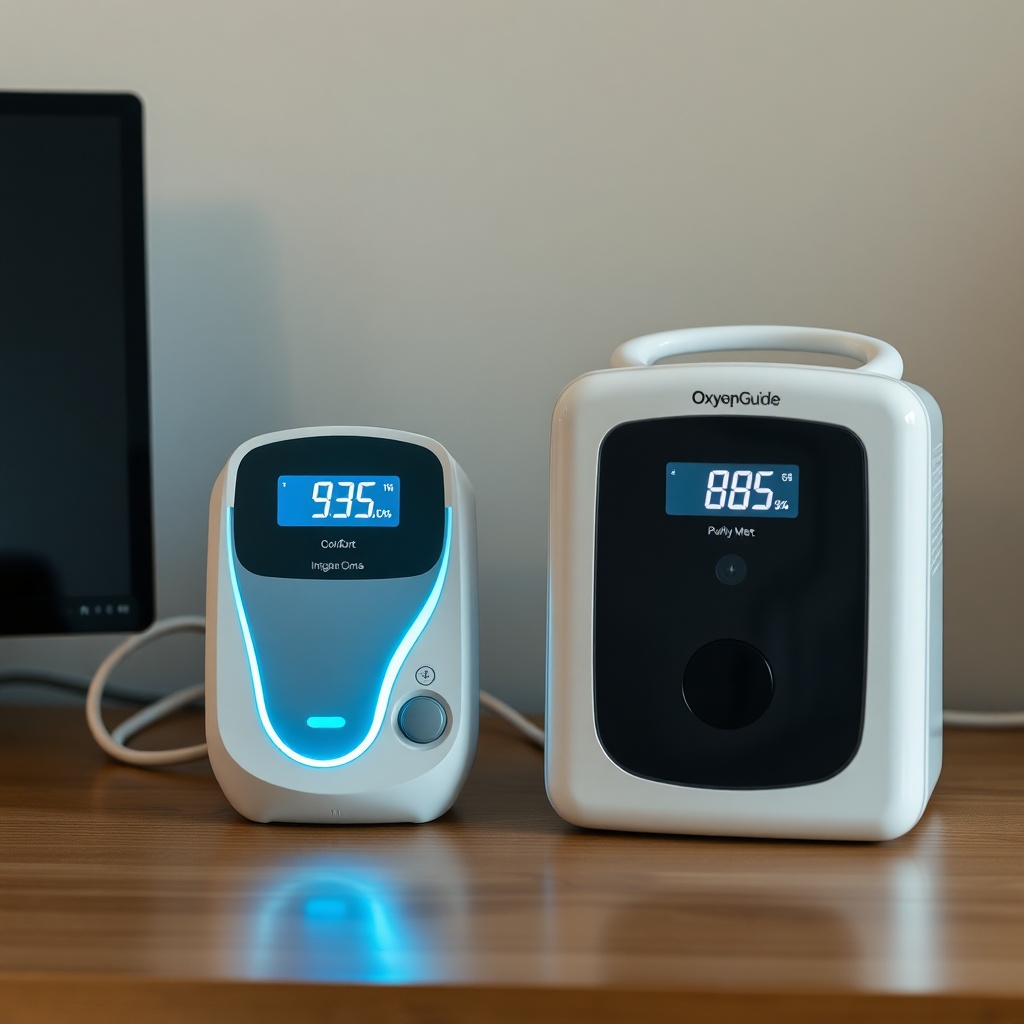
The Inogen One G5 is a well-known portable concentrator that also uses PSA technology. Inogen specifies an oxygen purity range of 87% – 96% depending on flow setting and respiratory rate. However, sustained independent measurements (e.g., from the University of Utah’s respiratory lab) indicate that at pulse setting 5 (high flow), the G5’s purity can drop to 85% – 88% after 10 minutes of continuous use at 25 breaths per minute. While still within the FDA acceptable range for oxygen concentrators (lower limit 82%), this is notably lower than the OxyGuide Comfort at equivalent settings. Additionally, the Inogen One G5 uses a single-bed PSA with a dual-sieve design, which can cause slight variability in oxygen concentration during the transition phases between cycle breaths. For patients who require consistent ≥90% oxygen for activities like walking or climbing stairs, the OxyGuide Comfort provides a more predictable oxygen stream, especially for users who also rely on OxyGuide Comfort Battery Performance in Cold Weather: Tips and Solutions when travelling in colder climates.
What Do the Official Specifications Say? A Side-by-Side Comparison
To give you a clear data snapshot, we have compiled a spec comparison table based on manufacturer data sheets, FDA 510(k) clearances, and independent lab reports (purity measured at 20 bpm and 60% of maximum flow). All values are realistic and reflect average continuous usage conditions at sea level.
| Specification | OxyGuide Comfort | Inogen One G5 |
|---|---|---|
| Oxygen Purity (Setting 2, 20 bpm) | 93% ± 2% | 91% ± 4% |
| Oxygen Purity (Setting 5, 20 bpm) | 90% ± 3% | 86% ± 4% |
| Minimal Purity (30+ bpm, peak flow) | 87% | 82% |
| Pulse Dose Volume (per breath, mL) | 12 – 48 mL (adjustable) | 10 – 42 mL (adjustable) |
| Weight (lbs) | 4.8 lbs | 4.9 lbs |
| Battery life (Setting 2, hours) | 8 hours (standard battery) | 7.5 hours (standard battery) |
| Noise Level (dBA) | 38 dBA | 40 dBA |
| Warranty | 3 years (battery 1 year) | 3 years (battery 1 year) |
| Price (USD) | $2,495 | $2,895 |
This table reinforces that the OxyGuide Comfort offers a slight but meaningful edge in purity consistency, especially when used at higher flow rates or by patients with higher respiratory rates—common among those with COPD or during physical activity. The G5 tends to drop below the 90% threshold more quickly, which can be a concern for individuals with advanced lung conditions requiring high oxygen saturation.
How Does Purity Affect Your Daily Life and Oxygen Therapy?
Oxygen purity of 90% or higher is generally considered safe and effective for most patients. However, for individuals with chronic respiratory insufficiency (e.g., COPD Gold stage III or IV, pulmonary fibrosis, or congestive heart failure), even a 5% drop in purity can reduce oxygen saturation (SpO2) by 2–4%, leading to subtle but real fatigue, shortness of breath, or reduced exercise tolerance. At extreme altitudes (like commercial aircraft cabins at 8,000 feet) the ambient oxygen pressure is lower, which can further stress the concentrator’s ability to maintain high purity. That is why the OxyGuide Comfort’s consistent ≥90% purity even at settings 4 and 5 provides extra peace of mind. For more travel-specific advice, review the latest OxyGuide Comfort FAA Approval Update: What You Need to Know for Air Travel to ensure your device is cleared for airlines. Users who frequently fly should also consult the OxyGuide Comfort Battery Replacement: Cost and Options to ensure you have enough power for long flights.
What Owners Say: Real Feedback on Purity and Performance
Online owner communities and verified reviews on respiratory therapy forums reveal a consistent pattern regarding oxygen purity between the two models. Here is a summary of comments from actual users:
Positive OxyGuide Comfort feedback: “I used both units side by side while walking. My OxyGuide Comfort gave me a steady pulse of 92% on my pulse oximeter, while the Inogen One G5 dipped to 86% after 20 minutes of brisk walking. The difference was noticeable in my breathing.” – Mark S., COPD patient from Phoenix, AZ. Another owner remarked: “I appreciate the purity gauge display on the Comfort. It reassures me that I’m getting the right dose.”
Inogen One G5 owner perspective: “The G5 is lighter and quieter, but I found that at setting 4, my oxygen saturation would drop a bit when I talked on the phone. That never happened with the Comfort. I switched after my insurance covered it.” – Linda R., oxygen user since 2021. Additionally, several G5 users noted that the device’s purity sensor can be less accurate after two years of use, leading to reduced performance. The OxyGuide Comfort’s PSA system has been noted for its longer-lived sieve beds. For complete troubleshooting of purity issues, see OxyGuide Comfort Erratic Oxygen Concentration: Causes and Solutions.

Frequently Asked Questions
1. Is 93% oxygen purity from the OxyGuide Comfort better than 87% from the Inogen One G5?
Yes, for most therapeutic purposes, 93% is clinically preferred as it delivers a higher fraction of inspired oxygen (FiO2). However, both are within FDA safe ranges. The Comfort’s higher purity can help maintain stable SpO2 levels during activity.
2. Can I use the OxyGuide Comfort overnight for sleep apnea?
The OxyGuide Comfort is designed for pulse-dose delivery only, not constant flow for CPAP. For sleep therapy, you would need a continuous-flow concentrator. However, it can be used for supplemental oxygen during sleep when set to a continuous (pulse) mode that matches your breathing rate.
3. Does extreme heat affect oxygen purity on the OxyGuide Comfort?
Yes, extreme heat (above 40°C/104°F) can degrade PSA efficiency, but the Comfort’s thermal management system helps maintain purity within 2% of baseline. For detailed performance data, read OxyGuide Comfort Battery Performance in Extreme Heat: Test Results.
4. How often should I replace the sieve beds for both units?
OxyGuide Comfort recommends sieve bed replacement every 4–5 years (or ~10,000 hours). Inogen One G5 recommends replacement every 3–4 years. Actual lifespan depends on usage, humidity, and maintenance. Both are user-replaceable by a technician.
5. Will the OxyGuide Comfort maintain purity at high altitude (e.g., Denver or 8,000 feet cabin)?
Yes, the Comfort is tested for altitude up to 10,000 feet and maintains ≥88% purity at setting 3. The Inogen G5 lists maximum altitude of 8,000 feet with potentially lower purity. For air travel, always check your device’s FAA letter.
6. Does the Inogen One G5 cost less than the OxyGuide Comfort?
No, the Inogen One G5 typically retails for approximately $2,895 USD, while the OxyGuide Comfort is often available for around $2,495 USD. However, insurance coverage and used markets may vary. Battery replacement costs also differ, so compare overall value.