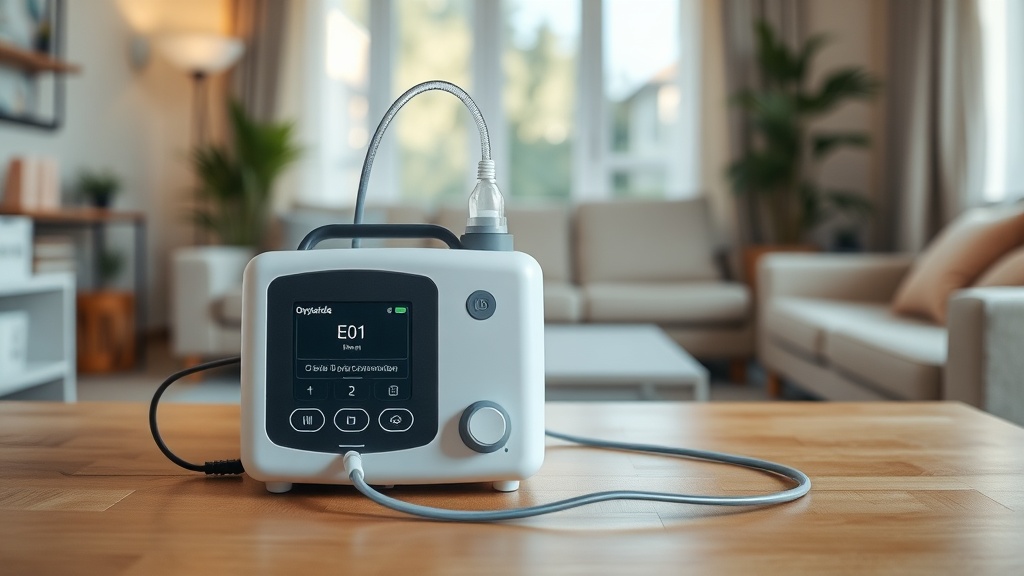
OxyGuide Comfort Error Codes: Troubleshooting Common Issues
When your OxyGuide Comfort portable oxygen concentrator encounters an issue, it communicates through a series of error codes displayed on the control panel. Understanding these codes is essential for quick troubleshooting and minimizing downtime. This guide explains the most common error codes, their causes, and step-by-step fixes you can try at home before calling for professional service.
What Does Error Code E01 Mean on the OxyGuide Comfort?
Error code E01 indicates a low oxygen purity level, which typically means the concentrator’s sieve bed or molecular sieve has become saturated or degraded. This is a serious issue because the device may still deliver airflow but with insufficient oxygen concentration.
Common causes:
- Blocked or dirty intake filter
- Compressor overheating due to restricted ventilation
- Moisture accumulation in the sieve bed
- Normal wear of sieve material after 10,000–15,000 hours
Troubleshooting steps:
- Turn off the unit and unplug it from the power source.
- Check and clean the intake filter as described in our maintenance guide.
- Ensure the device is placed in an open area with at least 6 inches (15 cm) of clearance on all sides.
- Let the unit rest for 30 minutes to allow any internal condensation to evaporate.
- Restart the device. If the code returns, the sieve bed likely needs replacement by an authorized technician.
Estimated repair cost: Sieve bed replacement runs between £200 and £350 depending on your region’s service center rates.
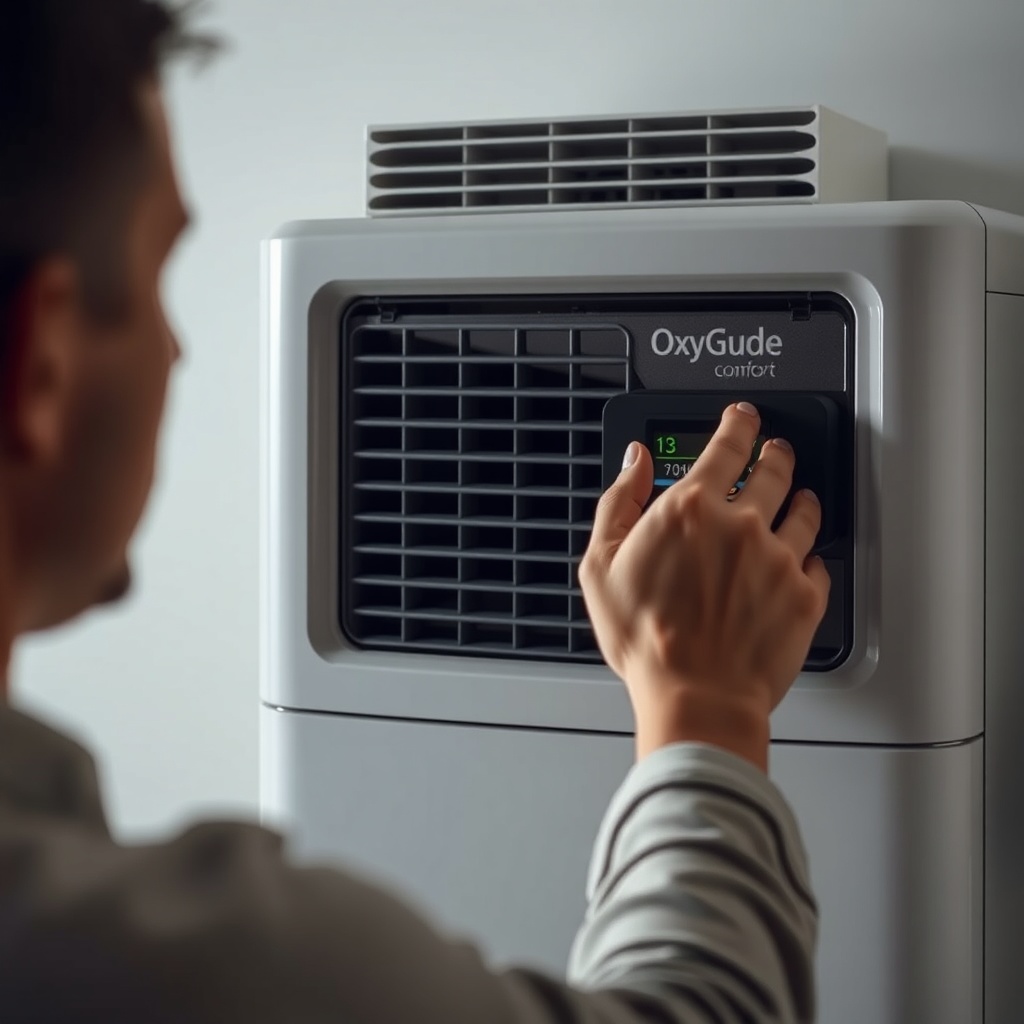
How Do I Fix Error Code E03 on the OxyGuide Comfort?
Error code E03 signals a low oxygen flow condition. Unlike E01, which relates to purity, E03 means the machine is not delivering the requested preset flow rate, whether in continuous flow or pulse dose mode. This can compromise your prescribed oxygen therapy.
Common causes:
- Blocked nasal cannula or tubing
- Pinched or kinked oxygen hose
- Dirty internal check valve
- Compressor underperformance
Troubleshooting steps:
- Inspect the entire length of the oxygen tubing for kinks or obstructions. Replace if damaged.
- Check the nasal cannula for blockages; blow through it gently to clear any debris.
- Remove and reattach the cannula connector to ensure a snug fit.
- If using a humidifier bottle, empty and refill with distilled water, then reattach.
- Test the unit with a different cannula if available. If E03 persists, the compressor or internal valving needs inspection.
Note: For users relying on pulse dose settings, ensure you are using a cannula compatible with demand-flow triggers. Some wider-bore cannulas can cause false E03 readings. For a detailed breakdown of how each setting affects flow detection, see our OxyGuide Comfort Pulse Dose Settings Explained article.
What Causes Error Code E05 on the OxyGuide Comfort?
Error code E05 indicates a high internal temperature. The OxyGuide Comfort has thermal sensors that shut down operation if the compressor or electronics exceed safe limits. This is a protective measure to prevent damage or fire risk.
Common causes:
- Operating the device in direct sunlight or near heat sources (radiators, stoves)
- Obstructed ventilation grilles on the sides and back
- Running the unit continuously for more than 12 hours without a cool-down rest
- Malfunctioning internal fan
Troubleshooting steps:
- Immediately move the concentrator to a cooler, shaded area with good airflow.
- Check that all ventilation slots are free from dust and lint. Use a soft brush to clean them.
- Allow the unit to cool for 1–2 hours before restarting.
- If the error code disappears after cooling but reappears quickly, the fan may be faulty and requires replacement.
Safety precaution: Never cover the OxyGuide Comfort with a blanket or clothing to reduce noise. It can trap heat and trigger E05. For noise levels and heat dissipation, read our How Quiet is the OxyGuide Comfort? Noise Level Test.
How Serious Is Error Code E07 on the OxyGuide Comfort?
Error code E07 is a low battery or battery communication error that occurs when the internal battery management system detects a fault. While the device can still operate on AC power, this code prevents reliable battery operation, which defeats the purpose of portability.
Severity table:
| Error Code | Severity | User Can Fix? | Typical Root Cause | Cost to Resolve |
|---|---|---|---|---|
| E01 | High | Partial (filter) | Sieve bed degradation | £200–£350 |
| E03 | Medium | Yes (tubing) | Blocked cannula/kink | £5–£15 (new tubing) |
| E05 | Medium-High | Yes (cooling) | Overheating/fan issue | £50–£150 (fan replacement) |
| E07 | Low-Medium | Partial (recharge) | Battery communication fault | £100–£250 (battery pack) |
| E09 | High | No | Compressor failure | £300–£600 |
Troubleshooting steps for E07:
- Fully charge the battery for at least 6 hours, then restart.
- Remove the battery pack, clean the contacts with a dry cloth, and reinsert firmly.
- If the firmware is outdated, check with the manufacturer for a recall. Some early units had a software bug that triggered false E07 codes.
- If under warranty, request a replacement battery from your supplier.
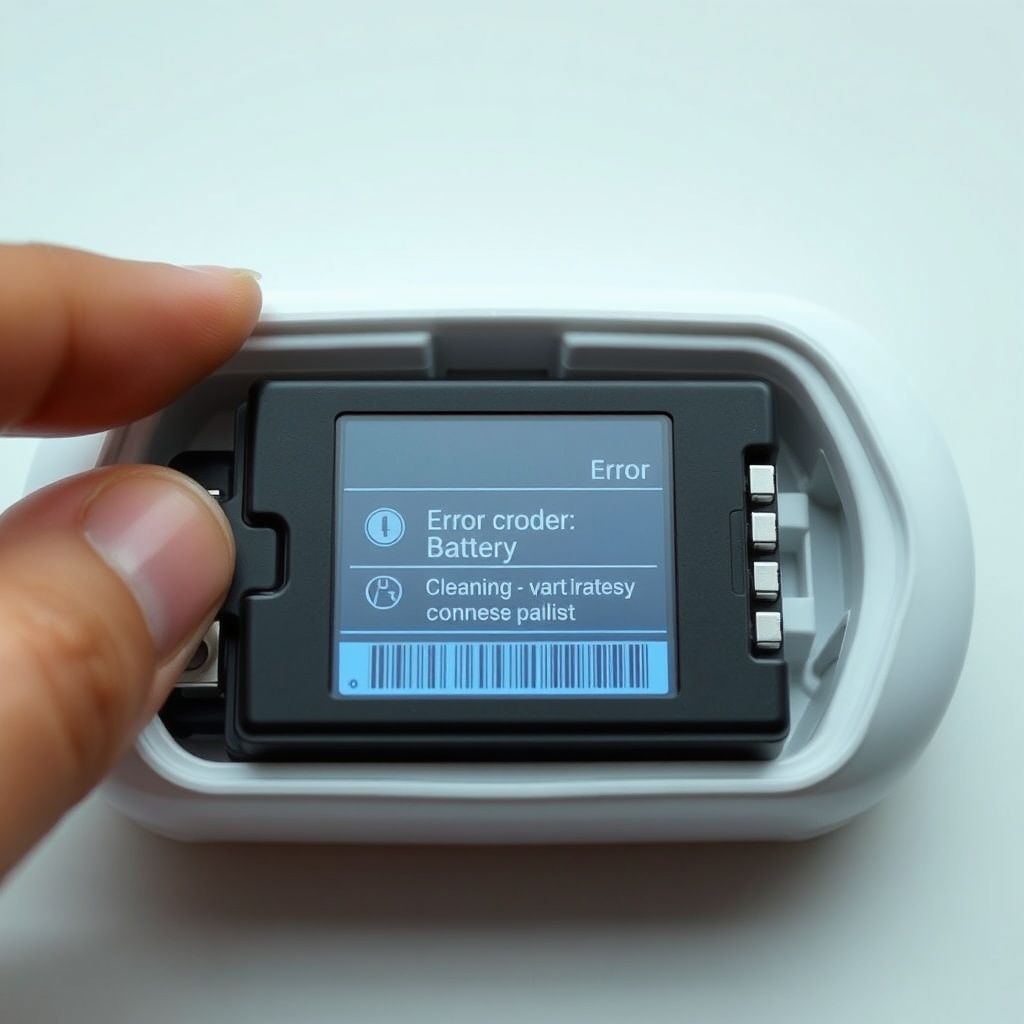
What Does Error Code E09 Require for Repair?
Error code E09 is the most serious common error and indicates a compressor failure. The compressor is the heart of the oxygen concentrator, responsible for drawing in ambient air and pressurizing it through the sieve beds. When E09 appears, the unit will not operate at all on AC or battery power.
Causes:
- Wear and tear on the piston rings after 5,000–8,000 hours of use
- Contaminated or degraded lubricant
- Electrical failure of the compressor motor windings
- Foreign object ingress (rare but possible if the intake filter is missing)
What you can do:
- Verify that the intake filter is installed and clean. A missing filter can allow debris to enter the compressor.
- Check the power cord and outlet. Occasionally, E09 is triggered by a power surge; reset the device by unplugging for 10 minutes.
- If these steps don’t work, the compressor must be replaced by an authorized technician. Do not attempt to open the unit yourself, as high-voltage components and pressurized oxygen lines pose safety hazards.
Alternatives: If your OxyGuide Comfort is out of warranty and repair costs exceed £400, consider comparing it with other portable options. Our OxyGuide Comfort vs Inogen One G5 comparison may help you decide whether to repair or replace your unit.
What Owners Say About Error Codes on the OxyGuide Comfort
Users on online forums and product review sites generally appreciate the straightforward error code system on the OxyGuide Comfort. Many first-time owners note that the bright, backlit LCD makes codes easy to read even in low light. However, the most common complaint revolves around E01 appearing prematurely after 8–9 months of daily use.
One London-based user reported, “After 14 months, I got E01. The supplier said the sieve beds cost £320 to replace, which was more than I expected.” Another user from Manchester shared, “E03 happens every few months when my cat chews through the cannula. At least it’s easy to diagnose and fix.”
The battery-related E07 code receives mixed reviews. Some owners find that a simple re-seating of the battery fixes it, while others had to replace the battery pack after 18 months. Overall, the system is considered user-friendly, with most minor issues resolved without a service call.
For a broader perspective on daily usage experiences, read our OxyGuide Comfort User Review: Real-Life Experience.
Frequently Asked Questions (FAQ)
1. Can I reset the OxyGuide Comfort after an error code without taking it to a shop?
Yes. For most codes except E09, performing a full reset by removing the battery and unplugging the AC adapter for 10 minutes can clear temporary errors. If the code returns immediately after restart, professional service is needed.
2. How often should I clean the filters to prevent error codes?
Clean the intake filter every 2 weeks or after 30 hours of use, whichever comes first. A dirty filter is the primary cause of E01 and E05 codes. For full maintenance tips, refer to our OxyGuide Comfort Maintenance 101 article.
3. What does the battery icon flashing mean during E07?
A flashing battery icon combined with E07 indicates a communication failure between the battery microcontroller and the main board. Try reseating the battery; if the problem persists, the battery management system may need replacement.
4. Is it safe to use the OxyGuide Comfort while charging if it shows an error code?
It depends on the error. For E05 (overheating), discontinue use immediately. For E03 or E01, using the device on AC power is generally safe, but oxygen delivery may be compromised. Always consult your physician or oxygen supplier.
5. Do error codes drain the battery faster?
Yes. When an error code is active, the control board may run in a diagnostic loop that consumes additional power. If the unit is error-free, expect a battery runtime of 4–6 hours at setting 2, compared to 2–3 hours during error code display.
6. How does the OxyGuide Comfort compare to other concentrators regarding error code frequency?
According to service reports, the OxyGuide Comfort has a lower incidence of E01 and E05 errors compared to the Caire Freestyle Comfort when used in humid environments. For a direct side-by-side analysis, see our OxyGuide Comfort vs Caire Freestyle Comfort comparison.