Introduction: Why Your OxyGuide Comfort Deserves Care
Your OxyGuide Comfort portable oxygen concentrator is a lifeline, and regular maintenance ensures it delivers consistent oxygen flow for years. Proper filter cleaning and correct storage are the two most impactful tasks you can perform to extend its lifespan and avoid costly repairs. This guide covers everything you need to know, from weekly filter maintenance to long-term storage, so you can keep your device running smoothly.
1. How Often Should I Clean the OxyGuide Comfort Filter?
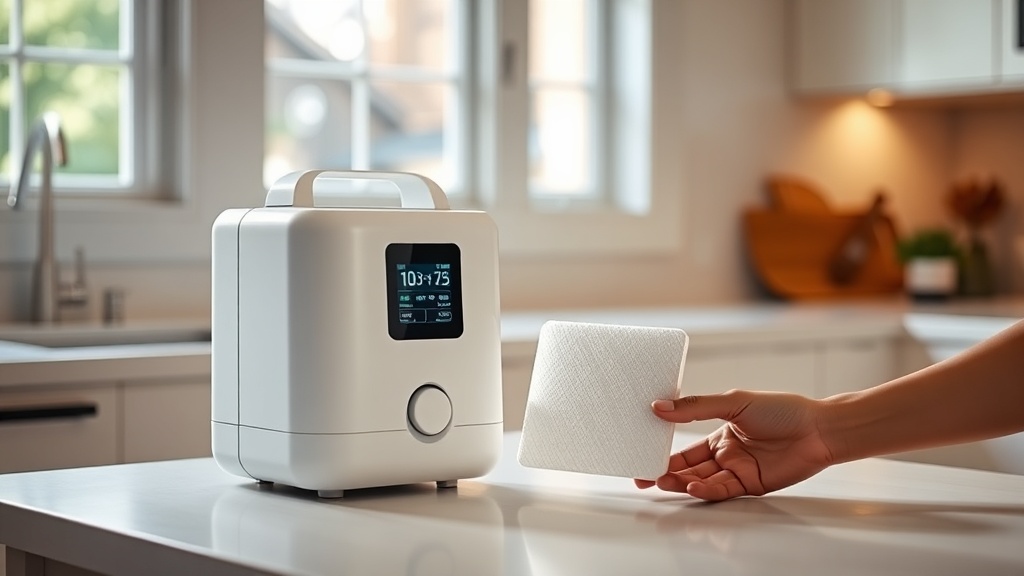
The OxyGuide Comfort features a reusable pre-filter that captures dust, pet dander, and airborne particles. Cleaning frequency depends on your environment, but a good rule is to inspect and clean it every two weeks. If you live in a dusty area, near construction, or have shedding pets, switch to weekly checks. Ignoring a clogged filter forces the unit to work harder, draining battery life and reducing efficiency. For details on how filter condition affects runtime, see our guide on OxyGuide Comfort Battery Life: How Long Does It Last?.
Here’s a simple schedule to follow:
- Normal use: Clean every 2 weeks
- Dusty or pet-heavy home: Clean every week
- After traveling: Clean immediately upon return
Don’t forget to inspect the coarse foam layer behind the main filter every month – rinse it with water if needed.
2. What Is the Correct Way to Clean the Filter?
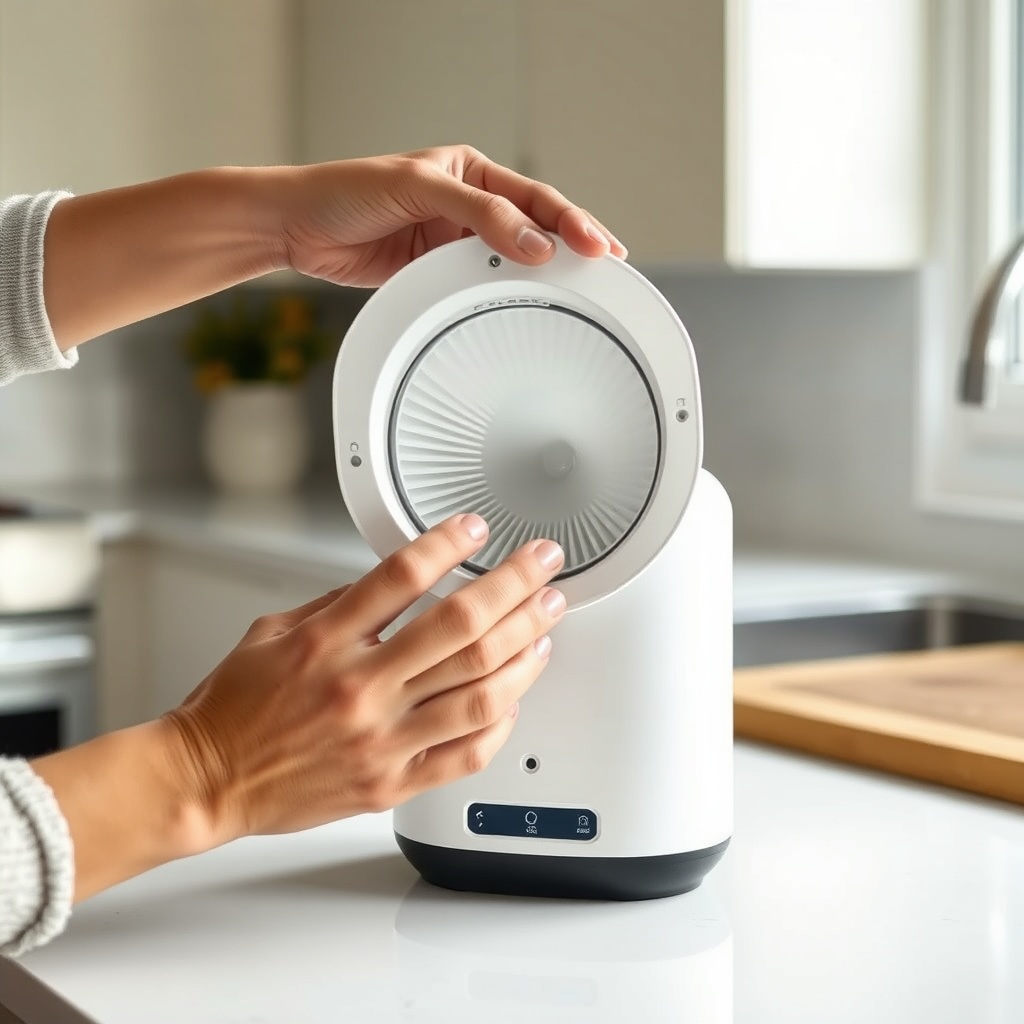
Cleaning the OxyGuide Comfort filter is straightforward, but steps matter. Using improper methods can damage the filter or leave residue. Follow this process each time:
- Turn off the concentrator and unplug it from any power source.
- Remove the filter cover by pressing the tabs and sliding it out.
- Rinse the foam filter under lukewarm running water. Do not use soap – chemicals break down the foam fibers.
- Gently squeeze out excess water. Never wring or twist the filter – this tears it.
- Air dry the filter completely (12–24 hours) before reinstalling. A damp filter promotes mold growth.
- Inspect for tears or thinning. Replace if you see holes or if it feels brittle.
While the filter dries, run the unit without it for up to 20 minutes if you need immediate oxygen. But avoid long-term use without a filter – debris can enter the internal sieve.
3. When Should I Replace the OxyGuide Comfort Filter?
Even with meticulous cleaning, filters wear out. The OxyGuide Comfort’s pre-filter lasts approximately 6–12 months under normal use, but signs of damage mean earlier replacement. Here’s what to watch for:
- Visible holes, fraying, or thinning areas
- Loss of shape (filter fails to sit snugly in its compartment)
- Persistent musty odor even after cleaning
- Increased noise from the unit’s fan (signals restricted airflow)
Replacement filters are available through OxyGuide dealers or online. Expect to pay around $15–20 USD per filter (roughly £12–16 GBP or €14–19 EUR). Investing in a spare ensures you always have a clean filter ready. Regular replacement also keeps the concentrator performing at its best, as noted in OxyGuide Comfort vs Inogen One G5: Comparison.
4. How Should I Store the OxyGuide Comfort When Not in Use?
Proper storage prevents damage from temperature extremes, humidity, and dust. Whether you are storing the unit for a weekend away or long-term, follow these guidelines:
Short-Term Storage (Up to 1 Week)
- Store in a cool, dry place (ideally 10–30°C / 50–86°F)
- Remove the battery if storing for more than 3 days – charge it separately to 50%
- Cover the intake filter area with a clean cloth or resealable plastic bag (remove before use)
- Avoid direct sunlight; UV rays degrade plastics
Long-Term Storage (1 Month or More)
- Clean and dry the filter before storage
- Fully charge the battery, then remove it (store battery at 50% charge in a fireproof bag)
- Disconnect cannula and accessories; store them separately in a sealed container
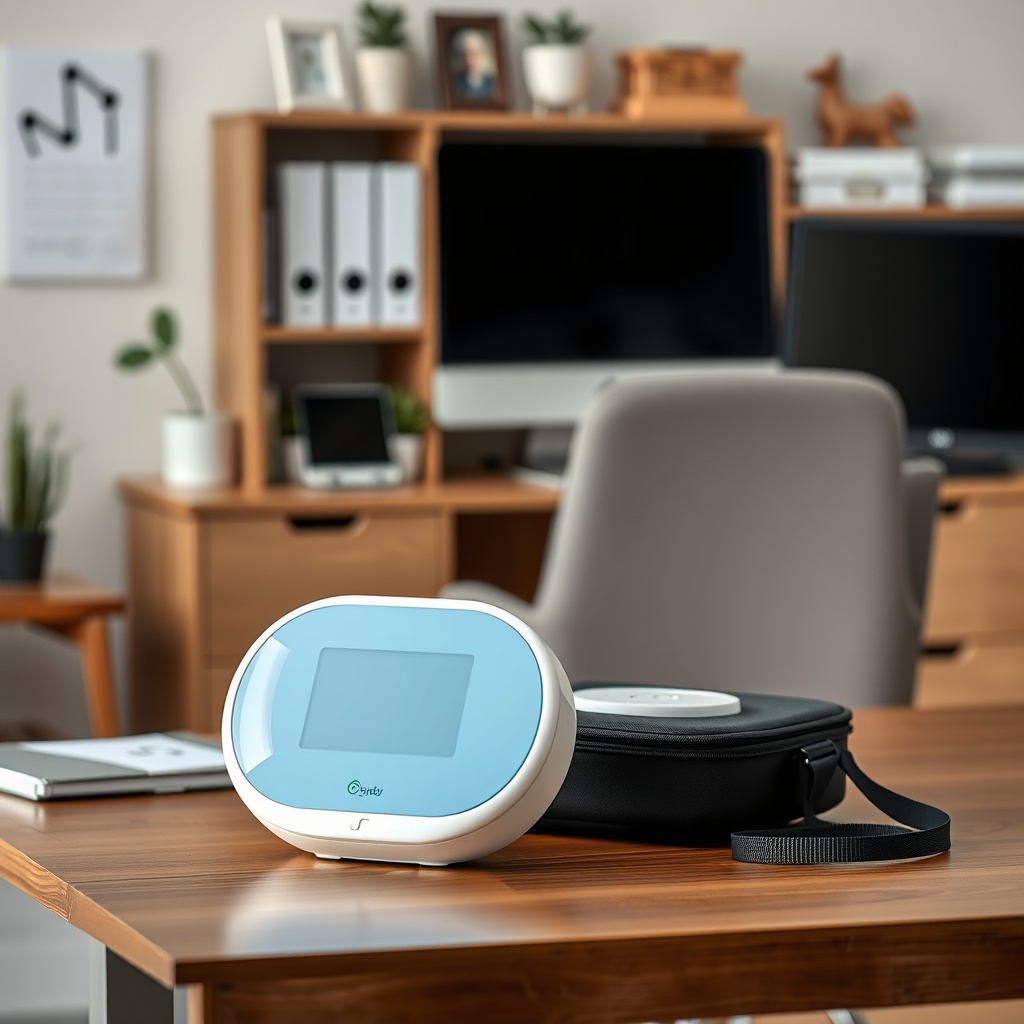
- Place the unit in its original carrying case or a ventilated box
- Check monthly: run the unit for 10 minutes to circulate air through internal seals
Never store the OxyGuide Comfort in a car trunk, attic, or basement where temperatures swing wildly. Extreme heat can damage internal electronics, while cold reduces battery performance.
5. What Are Common Maintenance Mistakes to Avoid?
Even well-meaning users can make errors that shorten the concentrator’s life. Here are the top missteps and how to avoid them:
| Mistake | Consequence | Solution |
|---|---|---|
| Using soap or detergent on the filter | Damages foam, reduces filtration | Rinse only with water |
| Running the unit without a filter | Debris enters sieve, causing breakdown | Never operate without filter for >20 minutes |
| Storing with a wet filter | Mold growth, foul odors | Always air dry fully (12+ hours) |
| Ignoring battery storage guidelines | Battery swelling, reduced capacity | Store at 50% charge; recharge every 3 months |
| Using harsh cleaners on the exterior | Damages plastic casing and air intake | Use a soft damp cloth only |
| Neglecting to check cannula tubing | Cracks or leaks reduce oxygen delivery | Inspect tubing monthly for wear |
If you hear unusual noise, refer to How Quiet is the OxyGuide Comfort? Noise Level Test to distinguish normal from problematic sounds. A persistent whistling often indicates a clogged filter – clean it first.
6. What Owners Say About OxyGuide Comfort Maintenance
Users consistently praise the OxyGuide Comfort for its straightforward maintenance but note a few practical tips. Sarah from Manchester shares, “I was terrified of breaking it, but cleaning the filter is easier than washing dishes. I set a phone reminder every two weeks.” Another owner, Mark, emphasizes storage: “I ruined my first battery by leaving it in the car during a heatwave. Now I store the unit in my bedroom closet, and it’s been flawless.”
Several owners in humid climates recommend buying two filters so one can dry while the other is in use. “In Florida, nothing dries overnight. A spare filter saves the day,” writes Linda. The consensus is that routine care takes under five minutes a week, preventing expensive downtime. For a full picture of daily use, read OxyGuide Comfort User Review: Real-Life Experience. For specific dose adjustments that affect filter wear, see OxyGuide Comfort Pulse Dose Settings Explained.
Frequently Asked Questions (FAQ)
Q1: Can I run my OxyGuide Comfort without a filter in an emergency?
A: Yes, but only for up to 20 minutes. Prolonged operation without a filter allows dust to enter the sieve, causing potential damage. Replace the filter as soon as possible.
Q2: How much does a replacement filter cost?
A: Official OxyGuide Comfort filters cost between $15 and $20 USD (approx. £12–16 GBP or €14–19 EUR). Generic filters are not recommended due to fit issues.
Q3: What do I do if my OxyGuide Comfort smells musty?
A: A musty odor usually means the filter is damp or moldy. Remove, clean thoroughly with water, and dry for 24 hours. If the smell persists, replace the filter and check the cannula tubing for moisture.
Q4: Can I store the battery inside the concentrator?
A: For short-term storage (under 3 days), yes. For longer periods, remove the battery and store it separately at 50% charge in a cool, dry place. This extends battery lifespan.
Q5: What is the best way to clean the exterior of the OxyGuide Comfort?
A: Use a soft, lint-free cloth slightly dampened with water. Avoid alcohol, bleach, or abrasive cleaners. Wipe gently around vents and controls. Never spray liquid directly onto the unit.
Q6: Does insurance cover replacement filters?
A: Some insurance plans cover consumables like filters under durable medical equipment (DME) benefits. Check with your provider. Medicare Part B in the US may cover filters for oxygen concentrators with a prescription.